
The Best Moving Companies from California to Las Vegas

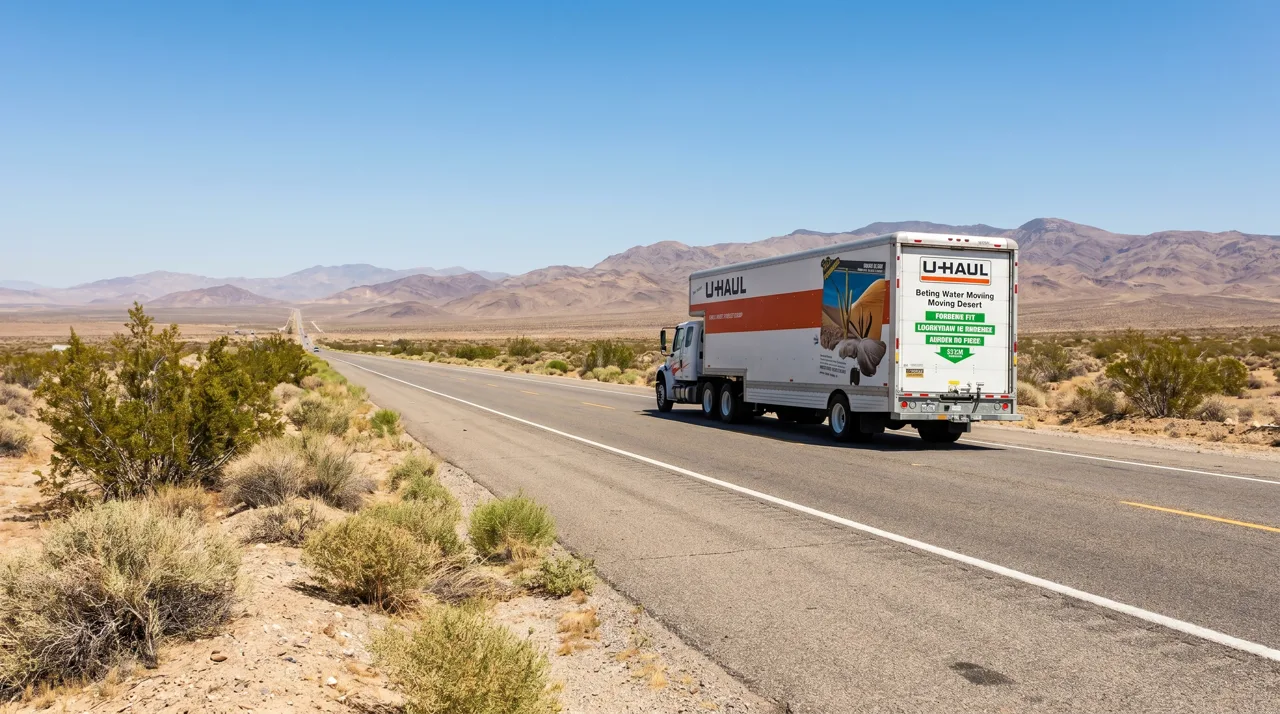
Picking the right mover for a California-to-Las Vegas move is the difference between landing in your new house relaxed and unpacking by Friday, or losing a weekend chasing down a truck that's two days late and $1,800 over the original quote. After working with hundreds of California transplants, I can tell you which companies handle the I-15 corridor well, what a fair price actually looks like in 2026, and which red flags should make you walk away from a quote no matter how good it sounds.
Roughly 49,500 Californians made the jump to Nevada in 2023 alone, about 136 people every single day, with Los Angeles County to Clark County accounting for nearly 22% of that flow. That kind of volume is good news for buyers because it means the route is well-served and competitive. It's also bad news, because the same volume attracts a layer of opportunistic brokers and "rogue movers" the federal government has been warning about for years. The companies below are the ones I see deliver consistently. The cost numbers are pulled from current market data, and the post-move logistics section covers the stuff most California transplants don't realize until they're standing in line at the Nevada DMV.
Best Movers California to Las Vegas: The Short List
There's no single "best" mover for everyone because a 4-bedroom Calabasas household and a one-bedroom Oakland apartment have almost nothing in common. Here's how the strongest options break down by who you actually are.
Mayflower Full-Service
Best traditional van line for families and large households. Mayflower runs a full long-distance operation with a dedicated Las Vegas mover page, and the network behind it means professional packers, real claims infrastructure, and a single carrier identity from pickup to delivery. Pricing is on the higher end but the experience reflects it.
Allied Van Lines Full-Service
Excellent network reach and Las Vegas/Nevada service depth. Allied publishes upfront pricing tools and supports the full range of add-ons (vehicle transport, fragile-only packing, storage in transit). Average line-haul costs from California to Las Vegas tend to land around $3,000 for a typical move, before packing and valuation upgrades.
North American Van Lines Full-Service
One of the most established interstate carriers, with a Las Vegas location page and decades of CA-to-NV experience. Strong choice if you want a national brand and don't want to worry about whether the company you booked actually owns the truck pulling into your driveway.
Atlas Van Lines Full-Service
Often the most reasonable of the major van lines on price, with helpful planning tools like video survey estimates and a customer portal. Their annual migration study is the source of much of the data you read about California-to-Nevada moves, so they know this corridor well.
U-Pack Hybrid
The smartest middle-ground option for budget-conscious movers with a full house. You pack and load a trailer or ReloCube; U-Pack drives it. You skip the labor cost of full-service while still getting professional interstate transport and guaranteed transit windows. Often saves $1,500-$3,000 versus a full van line for the same load.
PODS Container
The right answer when your move-in date is fuzzy. PODS drops a container at your California home, you load it on your schedule, and they hold it (in storage if needed) until your Las Vegas closing actually finalizes. PODS has a Las Vegas service footprint, which matters for delivery flexibility on the back end.
U-Haul U-Box Container
The cheapest serious option for studios, one-bedrooms, and partial moves. Smaller container size means lower cost, and U-Haul's logistics network is everywhere in both states. Best for renters and downsizers, not whole-house moves.
Move 4 Less Local LV
A Las Vegas-based company that runs frequent trips into and out of Southern California. Because they're often filling otherwise-empty space on a returning truck, their CA-to-LV pricing can be very competitive. Strong local knowledge for the destination side, which actually matters for high-rise and gated-community move-ins.
If you're moving from the Bay Area, expect noticeably higher pricing than the LA market. Sacramento and SF routes are roughly 40% to 60% more expensive than equivalent LA-to-Vegas moves because of mileage, fuel, and labor time. That premium shapes which option makes sense. A NorCal renter is much more likely to come out ahead with U-Pack or U-Box than a NorCal family with a 4,000-square-foot house.
What It Actually Costs in 2026
Quotes for this route swing wildly depending on house size, services, season, and whether you're using a van line or a hybrid solution. Below are realistic ranges from current market data, not lowball marketing numbers.


| Route & Move Type | Typical Range | Best Fit | Notes |
|---|---|---|---|
| LA → Las Vegas, Full-Service (3BR) | $1,800-$5,000 | Families, full households | Add $500-$1,500 for full packing |
| LA → Las Vegas, Container (3BR) | $1,200-$2,400 | Budget-conscious or flexible timelines | You pack, they drive |
| SF/Bay Area → Las Vegas, Full-Service (3BR) | $2,300-$6,400 | Families, larger NorCal homes | ~568-mile route adds fuel and labor time |
| Sacramento → North Las Vegas, Full-Service | $1,614-$9,484 | Wide variance; depends on house size | moveBuddha range from past 90 days of quotes |
| LA → Las Vegas, Truck Rental (3BR) | $379-$900 | DIY, strong friend network | Add gas, lodging, and your own labor |
| Long-Distance Average (LV market) | ~$4,100 | Benchmark only | Per Moving Cost Planner; not route-specific |
The number that surprises most California buyers is not the moving cost; it's the total. By the time you add full packing, valuation coverage, vehicle transport for a second car, a few weeks of storage, and the deposit on Las Vegas utilities, a "$3,000 move" comfortably becomes a $6,000 cash outlay. Build that into your closing budget so it doesn't compete with your earnest money or your inspection repairs.
Full-Service vs. Container vs. DIY: How to Pick
The right format matters more than the brand. A great van line is the wrong choice for a studio. A great container is the wrong choice for a 4,500-square-foot Calabasas home with a piano and a wine cellar. Here's the honest decision framework.
Full-Service Van Line
You hand over the keys, they handle everything. Crew arrives, packs, loads, drives, unloads, sets up. Best when you have a lot of stuff, a lot of fragile items, a tight timeline, or you're simply not in a position to do the labor yourself. The premium you pay buys real claims infrastructure, professional packers, and a single point of accountability if something goes wrong. Mayflower, Allied, North American, Atlas, and United all play in this space.
Hybrid (U-Pack-Style Freight)
You pack and load. They drive. Pricing is dramatically better than a full van line because you've eliminated the most expensive part of the move (labor on both ends), but you still get professional interstate transport with guaranteed transit windows. This is the sweet spot for organized families with full households and a tighter budget. U-Pack is the strongest player here.
Container (PODS, U-Box, Zippy Shell)
A box gets dropped off at your California home. You load it whenever. They pick it up, drive it to Las Vegas, and either deliver it straight to your new place or hold it in storage until you're ready. The flexibility is what people pay for. If your California sale closes two weeks before your Vegas purchase, container moves bridge that gap without the cost of two separate moves.
DIY Truck Rental
The cheapest option on paper, the most expensive in personal time and risk. U-Haul, Penske, and Budget all serve the route. The catch nobody mentions: California is a major outbound state, which means rental trucks leaving California to Las Vegas are in such high demand that one-way pricing has gotten significantly worse over the past few years. Quotes that look reasonable on a Tuesday can spike 40% by Friday. If you're going DIY, book early and lock in the rate.
How to Avoid Moving Scams (This Is the Section That Saves You Money)

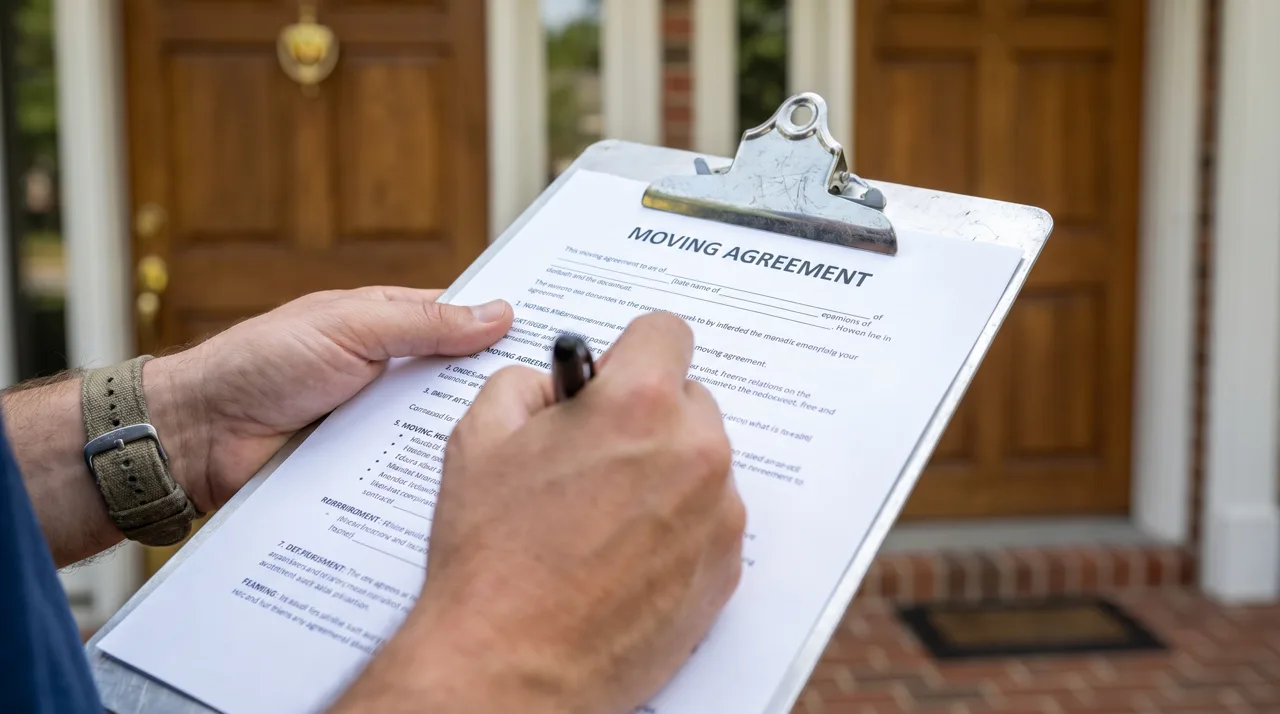
Because this is an interstate move, every legitimate moving company involved is regulated by the Federal Motor Carrier Safety Administration. The FMCSA's Protect Your Move portal exists specifically because the California-to-Vegas corridor (and routes like it) has historically attracted bad actors. The good news is that vetting a mover takes about ten minutes if you know what to look for.
- Verify the company's USDOT number on the FMCSA website before you give them a credit card or sign anything. No DOT number, no deal.
- Ask whether the company is a mover (transports your goods) or a broker (arranges transport with someone else). Both are legal, but brokers should disclose this clearly. A "mover" who can't tell you which truck will show up is a red flag.
- Demand a written, binding estimate. Verbal quotes are worth nothing on moving day.
- Refuse to pay a large deposit upfront. Reputable companies collect at delivery, not at booking.
- Make sure they hand you the federally required "Your Rights and Responsibilities When You Move" booklet. Skipping this is itself a violation.
- Walk away from quotes given over the phone or by email without anyone seeing your stuff. Either an in-home estimate or a video survey is the standard for legitimate movers.
"Insured" Doesn't Mean What You Think It Means
Federal law requires every interstate mover to offer two valuation options: Full Value Protection and Released Value. Released Value is the default if you don't pick anything else, and it's almost worthless. Coverage is 60 cents per pound per article. That means if a mover destroys your $3,000 OLED TV that weighs 40 pounds, you're owed $24. Twenty-four dollars.
Full Value Protection costs more but actually covers replacement value. For most California-to-Vegas moves, the upgrade is worth it. Ask for the cost in writing during the quote stage so it's not a surprise at the door.
The Best Time to Move from California to Las Vegas


If your timing is flexible, avoid June, July, and August. Las Vegas regularly hits 110°F+ during peak summer, and that creates real problems for movers. Crews work slower, electronics left in a hot truck for hours can warp or fail, candles melt, vinyl records bow, and heat exhaustion is a genuine risk for the people doing the heavy lifting. If you absolutely have to move in summer, schedule a 7 AM start and be unloaded before noon.
The sweet spot is October through April. Daytime highs are pleasant, mover availability is better, and pricing across the board tends to be 10% to 20% lower than peak summer rates. Avoid the last weekend of any month because that's when leases turn over and rates spike.
What Most California Movers Don't Know About Arriving in Nevada
The truck unloading is not the end. Nevada has a 30-day clock for new residents that catches almost everyone off guard, and the utility setup is a little more involved than what you may be used to.
The 30-Day DMV Window
From the day you establish residency, you have 30 days to get a Nevada driver's license and register your vehicle. The Nevada DMV New Resident Guide spells out the requirements. You'll need proof of identity, your existing license, proof of Nevada insurance, a VIN inspection, and an emissions/smog check for vehicles 1968 or newer based in Clark County.
That smog check is the part that surprises Californians most. Many newer vehicles that are exempt in California aren't exempt in Nevada. Get the smog test done at any of the dozens of Vegas-area shops before you book your DMV appointment. The DriveNV / Rapid Registration online intake is a relatively new convenience that lets you start the registration process digitally and finish at the DMV with much less time on site.
Utility Setup, Las Vegas Edition
- Electric (NV Energy): Set up service before move-in. As of April 1, 2026, NV Energy introduced a residential demand charge based on your highest 15-minute usage period each day. Translation: try not to run the dryer, oven, and pool pump at the same time during peak hours.
- Gas (Southwest Gas): Online start/stop/move portal. Quick to set up, modest deposits.
- Water (Las Vegas Valley Water District): $10 turn-on fee, plus a $150 per-meter residential deposit split across your first two bills. Sundays are no-watering days, period.
- Internet: Cox dominates the cable side, Quantum Fiber is excellent if it reaches your address, T-Mobile Home Internet works almost everywhere as a 5G alternative.
- Trash (Republic Services): Auto-enrolled in most areas; weekly trash, bi-weekly recycling.
The Homestead Filing Most Transplants Skip
This isn't a moving-company tip, but it's the single most underused legal protection for new Las Vegas homeowners. The Nevada Homestead Declaration protects up to $605,000 of equity in your primary residence from most general creditor claims (medical bills, credit cards, accident judgments). It doesn't protect against your mortgage or tax liens, but for asset protection it's massive. The catch: it isn't automatic. You have to record it with the Clark County Recorder. Do this in your first month, not your fifth year.
Moving into a Las Vegas High-Rise or Gated Community
If your new home is in The Martin, Panorama, Sky Las Vegas, Veer Towers, or any other Strip-area high-rise, the move is a different animal. Buildings require a Certificate of Insurance from the moving company, a reserved freight elevator window (typically a 2 to 4 hour block), floor protection, and sometimes a refundable damage deposit. Elevator reservation fees alone can run $50 to $500 depending on the building.
The same is true for many guard-gated communities (The Ridges, Anthem Country Club, MacDonald Highlands). The gatehouse needs the moving company's information in advance, and most communities have rules about truck size, hours, and parking. Give your HOA at least two weeks' notice and ask the mover for their COI before move day, not on it.
Where Californians Are Actually Landing in Las Vegas
If you're still figuring out where to land, the pattern is fairly clear by background. Bay Area tech transplants tend to gravitate to Summerlin for the master-planned feel and proximity to Red Rock Canyon. SoCal families with kids often choose Henderson for the school zoning and newer construction. Retirees gravitate to Sun City Summerlin or Anthem. First-time buyers priced out of California find more home for the money in Centennial Hills, North Las Vegas, and the southwest valley. The full neighborhood guide goes deeper, and the live MLS search updates every fifteen minutes.
FAQs from California Movers
How far in advance should I book?
For full-service van lines, 6 to 8 weeks is the sweet spot. For container companies, 3 to 4 weeks is usually enough. For DIY truck rental, book the moment you have a date because California outbound truck demand makes prices volatile.
Can I move my car with the household goods?
Yes. Most major van lines offer auto transport as an add-on, typically $700 to $1,200 for the LA-to-Vegas route, more from NorCal. If you only have one car and you're driving anyway, just drive it down the I-15 yourself.
Do I need to register my car in Nevada if I'm only here part-time?
Nevada residency is determined by where you actually live and work, not where you say you live. If you're spending the majority of your time in Las Vegas or earning income from a Nevada-based job, you'll need to register and register within 30 days. Snowbirds with primary homes in California can keep California registration.
What's the cheapest legitimate way to move a one-bedroom?
U-Haul U-Box for the small footprint, or U-Pack ReloCube if you want a bit more space. Both are dramatically cheaper than a van line for studios and one-bedrooms.
Should I move my California license plates over right away?
Yes, before the 30-day window closes. California gives you 10 days to update your address even if you're moving out of state, and Nevada requires registration within 30 days. Skipping it puts you in a gray zone that can get expensive if you're stopped or in an accident.
Will my California auto insurance still cover me in Nevada?
Only briefly. Most California policies cover you during the move itself, but once you've established Nevada residency, you need a Nevada policy. Nevada's minimum liability is 25/50/20, and rates run higher than the national average.
The Bottom Line on Picking a Mover
The moving company you pick is going to shape the first week of your Las Vegas life. Get it right and you're unpacked by Sunday. Get it wrong and you're filing damage claims for a month. The companies above have track records, the pricing data is current, and the post-move logistics (especially the 30-day DMV clock and the homestead filing) will save you real money if you handle them in your first month instead of your fifth.
As a CRS-designated agent who's worked with hundreds of California-to-Las Vegas buyers, I tell every client the same thing: the best mover for you depends on the size of your house, your timeline, and your budget. There's no universal answer, but the red flags are universal, and they almost always show up in the quote.


If you want help on the real estate side, the home valuation tool shows what your California sale gets you here, and the mortgage calculator includes Nevada-specific HOA, insurance, and tax estimates. When you're ready to talk through where to actually land, the contact page is the easiest way in. Welcome to Nevada.
Categories
Recent Posts