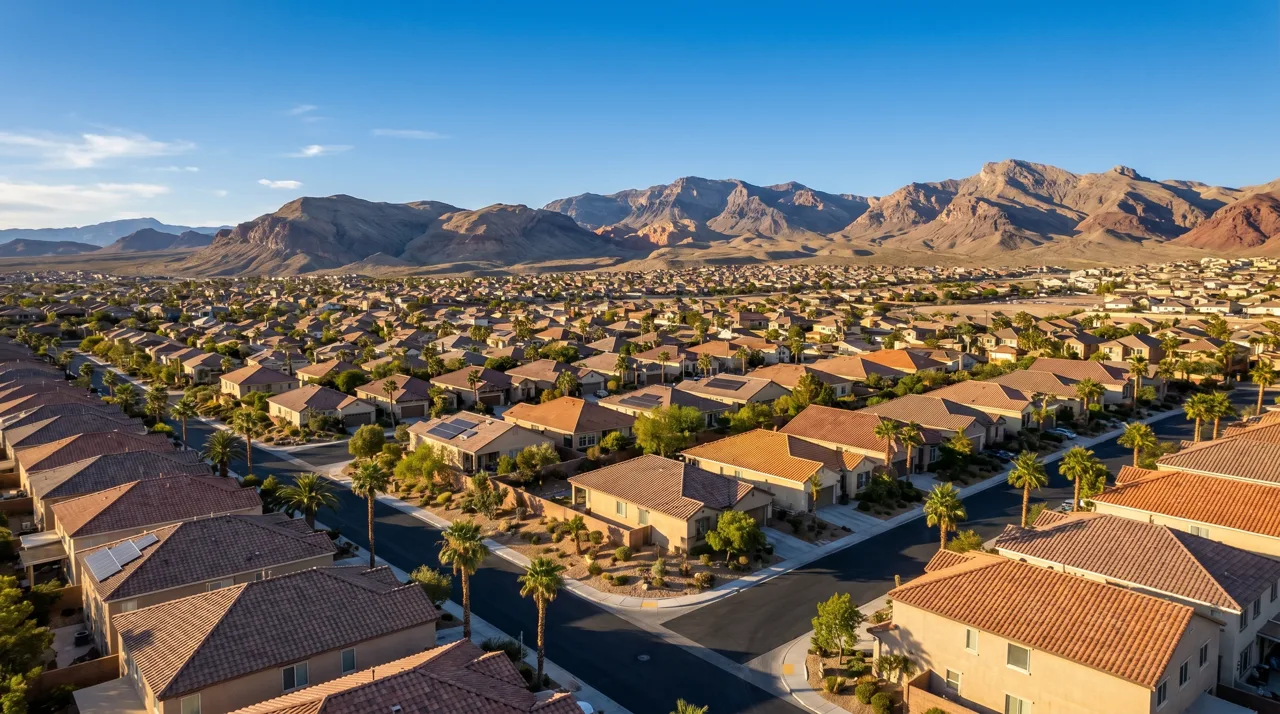
Las Vegas Emergency Preparedness: Flash Floods, Heat, and What Homeowners Should Know

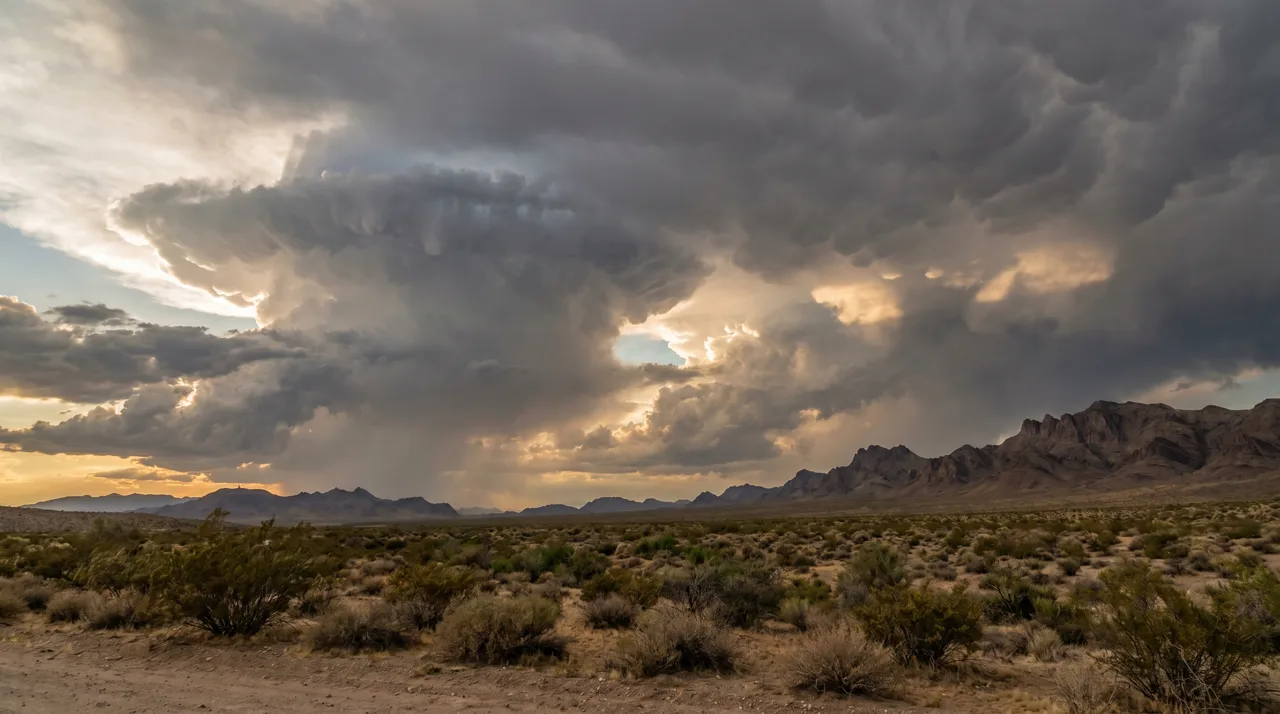
A Las Vegas emergency preparedness guide written for homeowners has to start by admitting something that surprises almost every newcomer: the driest major metro in the continental United States can also flood hard enough to sweep away SUVs, and it just posted a 120-degree day on the official record. Both of those things are real. Both of them are manageable if you know what you're doing.
If you just moved here, or you're about to close on a home, this is the rundown I'd give a friend. It's the stuff most relocation checklists skip or handle in one generic paragraph. What actually happens during monsoon season. What heat at 115°F does to your HVAC and your body. Which apps to download, which insurance policies to ask about, and which service address to drive to when you need sandbags at 4 p.m. on a Sunday.
The Two Hazards That Actually Affect Homeowners
Clark County emergency managers track wildfires, earthquakes, communicable disease, and a few other risks, but for anyone who owns a single-family home in the valley, two hazards dominate the planning list: extreme heat and flash flooding. The monsoon season layers in supporting cast members like dust storms, microbursts, and dry lightning, but those are usually downstream of the same storm system that brings the flooding.
If you've moved here from California, Texas, or the Pacific Northwest, the instinct is to prep for earthquakes or wildfires first. In the valley, heat and water are the two things that actually damage homes and put people in the hospital. Build your plan around those and you'll be ahead of most of your neighbors.
Why Heat Is a Real Public Health Issue, Not Just Discomfort

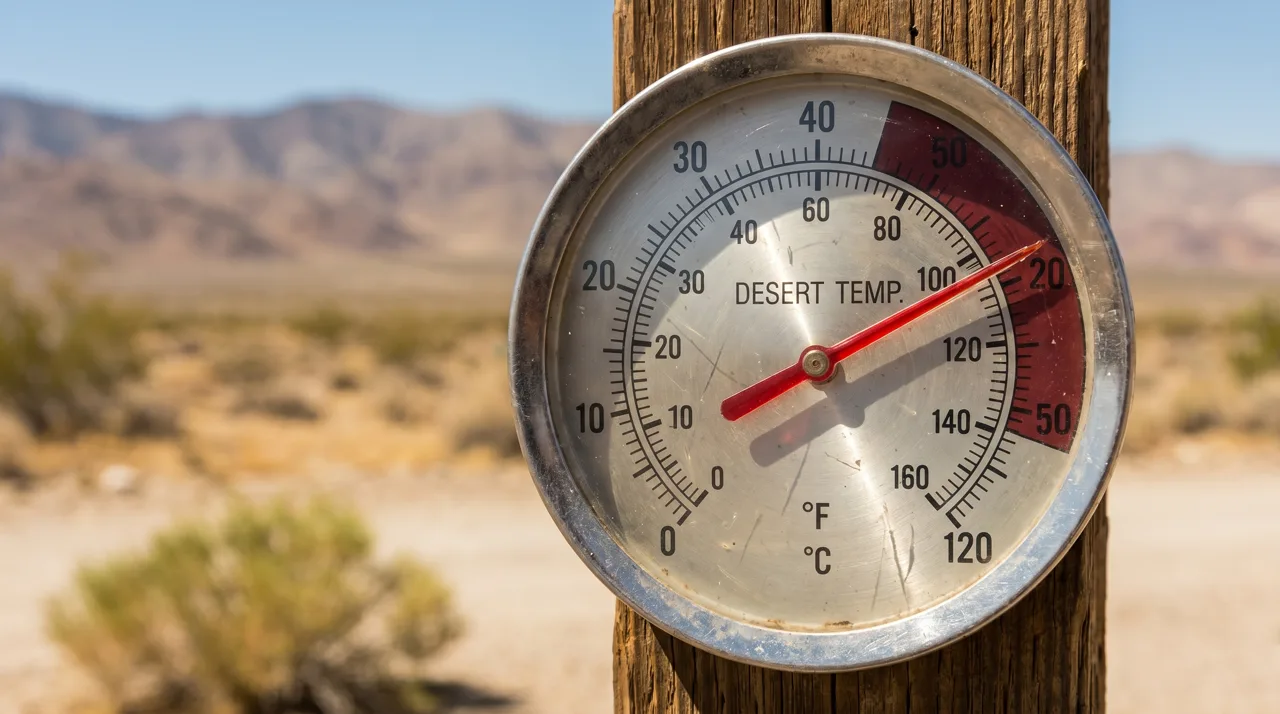
Las Vegas averages 70-plus days per year above 100°F, and the trend has been running hotter. The Southern Nevada Health District reported that 2024 was the hottest summer on record in Southern Nevada, with an average high of 107.6°F and an all-time valley record of 120°F on July 7, 2024. That same year the county logged 36 days at or above 110°F, with 21 of them in July alone.
The health numbers behind those temperatures are sobering. According to the Southern Nevada Health District, Clark County recorded 513 heat-associated deaths and 3,548 heat-related emergency department visits in 2024. Totals dropped in 2025 to 284 deaths and 2,217 ED visits, but that's still a death toll that would make headlines in most states if it happened in a single category from any other cause.
For a homeowner, heat risk translates to three things: your air conditioning has to work, your home has to hold cool air, and you need a backup plan for the week when neither is true. Everything else in the heat section of your emergency plan is a version of one of those three ideas.
Why a Desert City Floods So Hard

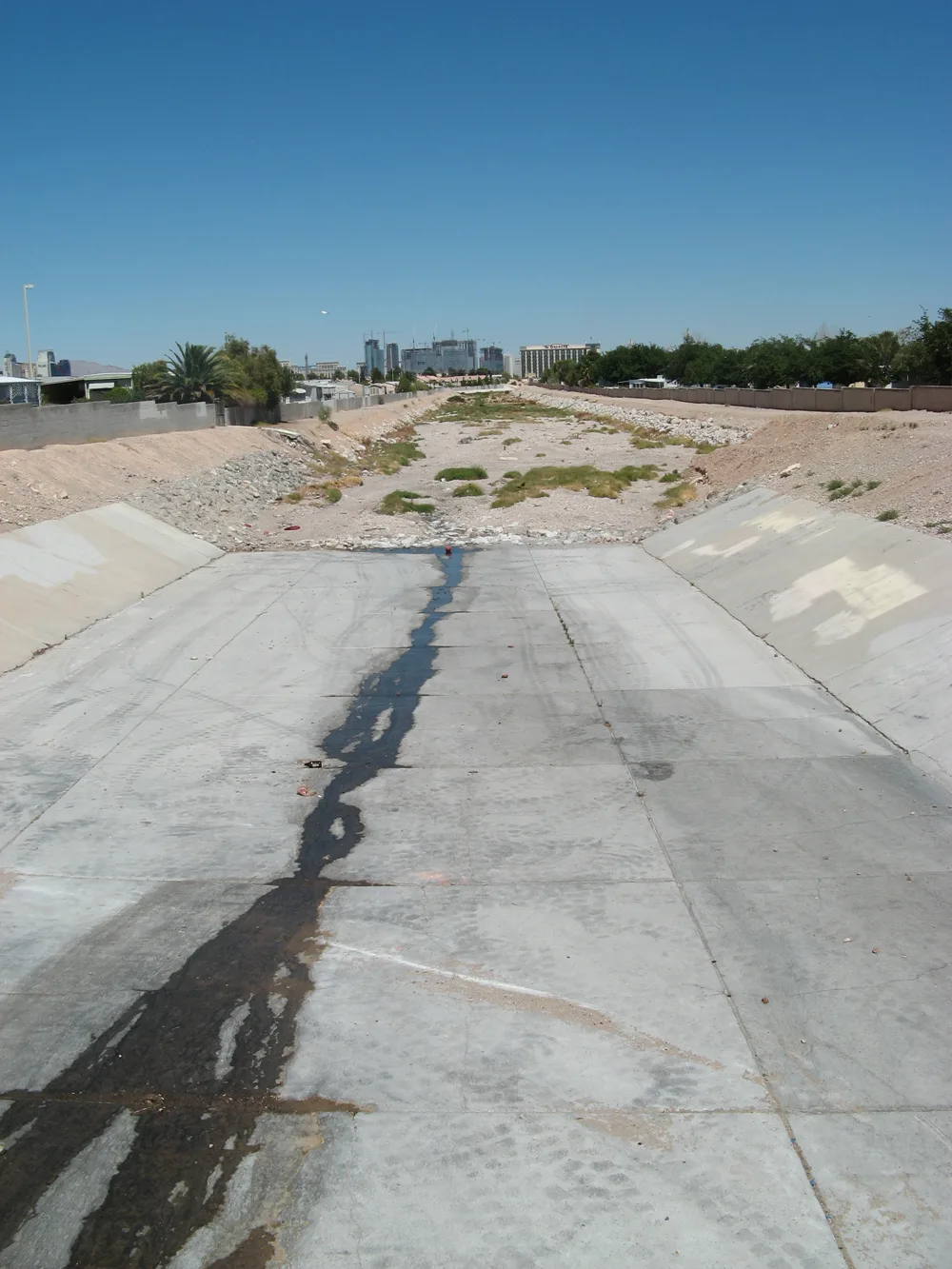
Photo by Josh & Jelena from Vancouver, Canada · CC BY 2.0 · Wikimedia Commons
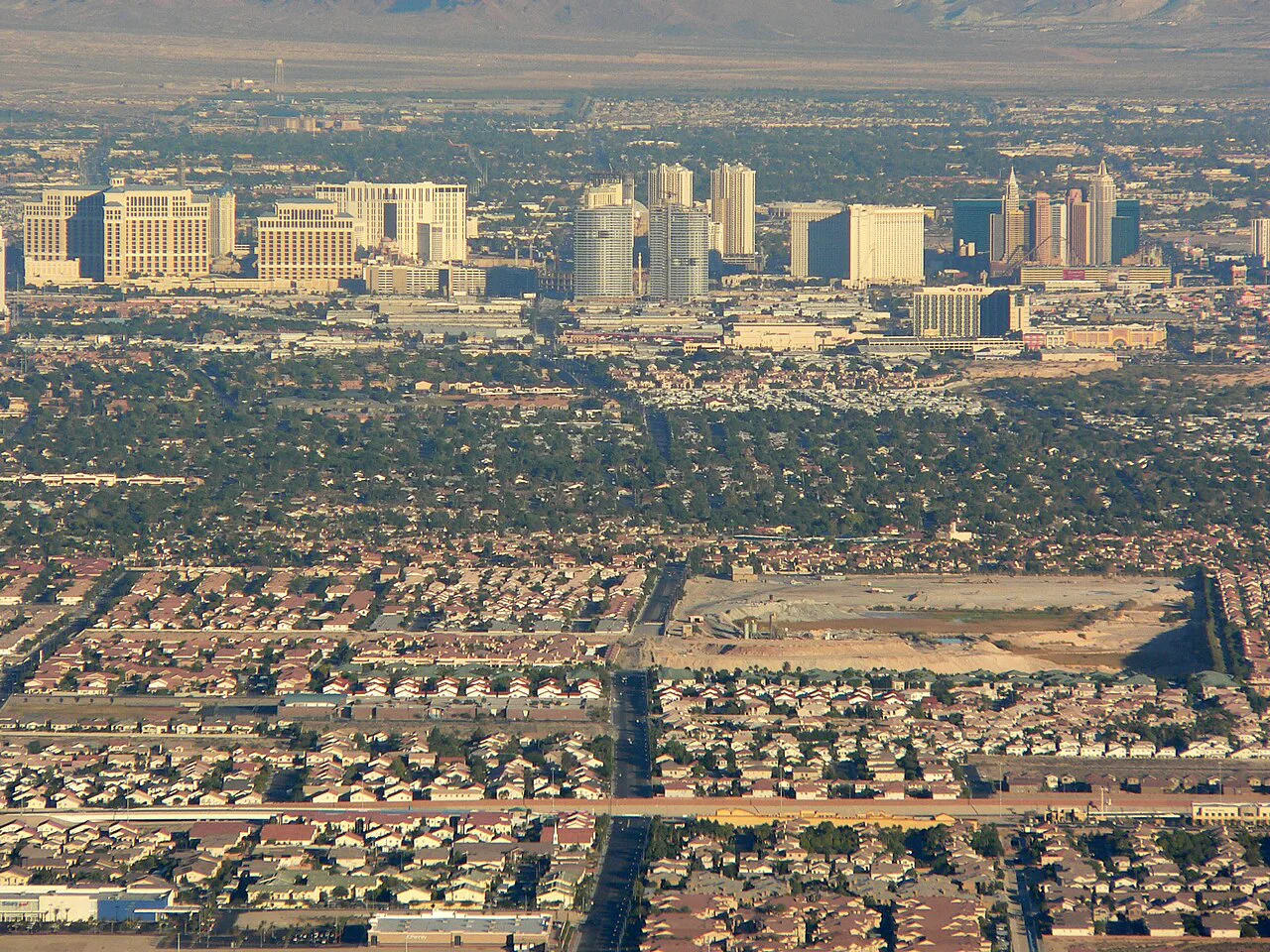
New residents almost always ask the same thing when they see a channel or a big dry basin near a neighborhood: "What is that?" It's not leftover vacant land and it's not a landscape accent. It's part of the Las Vegas Valley's engineered flood-control system, and it exists for a reason.
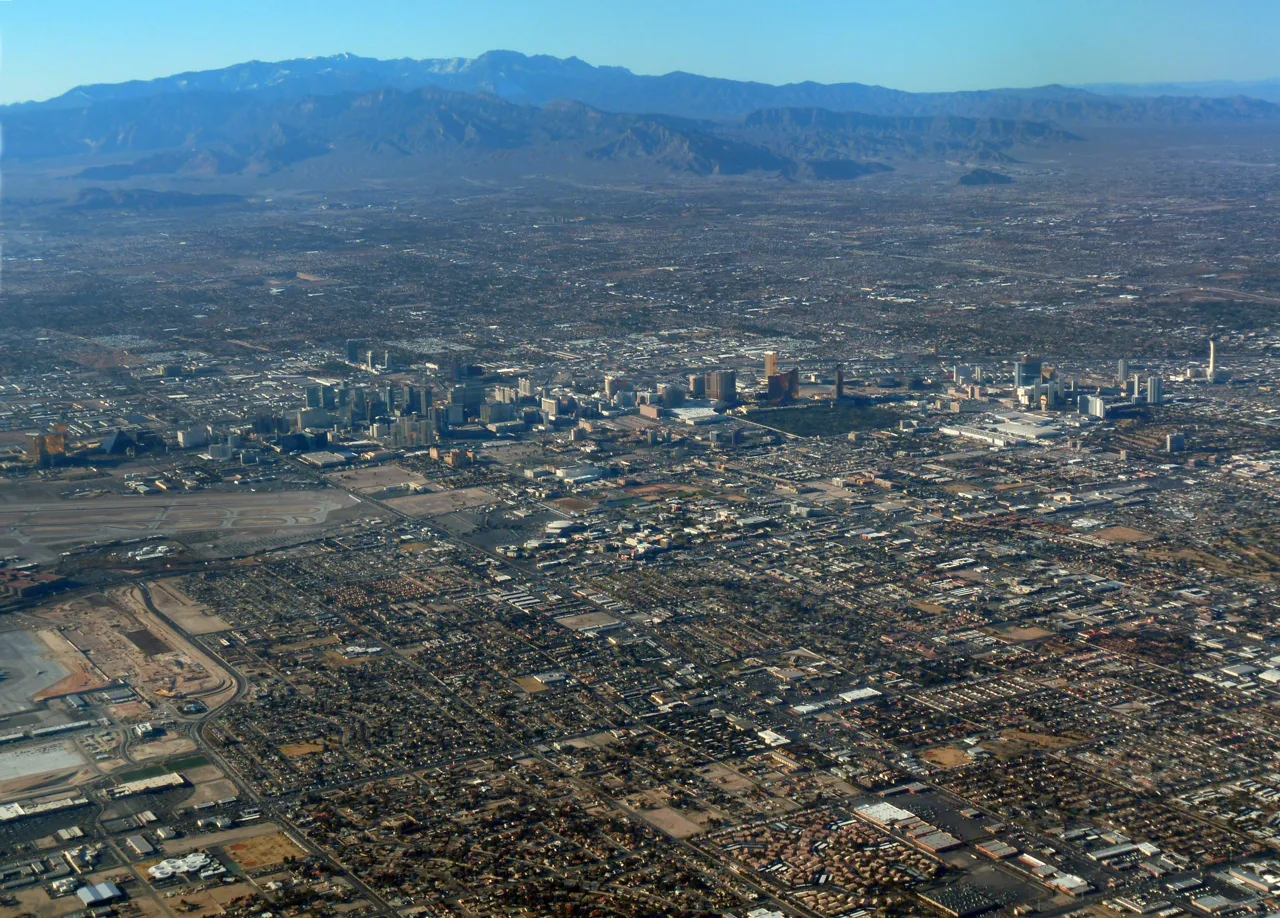
The valley is a bowl. Rain that falls on Mount Charleston and the Spring Mountains runs east toward Lake Mead, and the desert soil underneath our neighborhoods does not cooperate with that water. The National Weather Service explains that repeated wet-dry cycles in the alluvial fans around the valley form a hard layer called caliche, which blocks infiltration. Water that would soak into the ground in Georgia or Ohio just runs here, fast and with force.
Two storms anchor the local flood story. The July 8, 1999 flood and the September 11, 2012 flood are cited by NWS as the worst in modern Las Vegas history. During the 1999 event, much of the valley got 1.5 to 3 inches of rain in about 90 minutes. The airport alone saw 1.29 inches in a little over an hour. That's not an intense storm by Houston standards. In a valley built on caliche, it's a disaster.
Heat Preparedness for Homeowners
Most of the advice you'll see online about heat preparedness is aimed at outdoor workers and tourists. That's fine, but if you own a home here, the stakes are different. You're responsible for the system that keeps your family alive when it's 115°F outside for four days in a row. Here's what that looks like in practice.
Get Ahead of HVAC Problems Before Summer
The average lifespan of an HVAC unit in Las Vegas is 10 to 14 years, which is significantly shorter than the national average because our systems run harder for longer. Attic temperatures can hit 150°F in July, and a tired 16-year-old condenser is a ticking clock.
Have your system serviced in March or April, before the peak demand rush. A tune-up runs $150 to $350. A full replacement is $6,000 to $12,000. If you're approaching that 10-year mark, get a written condition assessment so you aren't making a panic decision in August when every HVAC company in the valley is booked three weeks out.
Make Your House Hold the Cool
Vegas building code requires R-30 attic insulation as a minimum, but anyone who has opened a summer power bill in this valley will tell you the ENERGY STAR recommendation of R-49 is closer to what you actually want. Blown-in cellulose or fiberglass is the common upgrade, and it pays back through reduced HVAC wear alone, before you even count the energy savings.
The other free win is window management. Blackout curtains and solar screens on west and south-facing windows cut solar heat gain noticeably, and the Southern Nevada Health District specifically recommends closing and covering sun-facing windows during extreme heat events. Weather stripping around doors and older windows is cheap and high-ROI.
Plan for the Power Going Out
This one gets skipped a lot. The valley's grid holds up well, but when it doesn't, you need a plan. NV Energy is rolling out a residential demand charge effective April 1, 2026, based on your highest 15-minute usage interval per day, which means staggering appliances already makes sense from a billing standpoint. Time-of-Use plans shift heavy loads out of the 6 p.m. to 9 p.m. summer peak window.
For actual outages, know where you'd go if your AC fails on a 112°F afternoon. Clark County activates free cooling stations during excessive heat warnings, and many are pet-friendly. In 2026, the county started activating them as early as March 19 because triple-digit temperatures arrived weeks ahead of normal.
Flash Flood Preparedness for Homeowners

Know Your Flood Zone Before You Buy
If you're still shopping for a home, pull up the FEMA Flood Map Service Center and check the property's zone before you write an offer. The Clark County Regional Flood Control District (RFCD) also offers flood-zone determinations through local public works departments.
Here's a detail that matters for real estate specifically: the RFCD notes that subdivisions built after 1992 were designed to meet 100-year flood design flow protection standards. That's a meaningful difference compared to older established neighborhoods that predate the current flood-control infrastructure. It doesn't mean older homes are unsafe, but it does mean the due diligence is different.
Get Flood Insurance Even If You're Not in a Mapped Zone
As a Top 1% Las Vegas agent and CRS, I've seen buyers skip the flood-insurance conversation because a lender didn't require it for their zone, only to watch a neighbor two streets over deal with backflow damage after a monsoon cell parked over the wrong wash. The premium on a low-risk-zone policy is usually small. The gap in coverage if you need it is not.
Prep the Property Before Monsoon Season
Monsoon season runs from late June through mid-September. Your June to-do list if you own a single-family home:
- Clean gutters and downspouts so water flows away from the foundation instead of pooling against it
- Check and extend downspout splash blocks, especially on the side of the house that drains toward the street
- Confirm grading still slopes away from the home, which can shift over time with irrigation changes
- Consider backflow prevention valves on drains if you're in a low spot or near a wash
- Walk your block and note where water pools during the first storm of the season, then fix what you can before the next one
Where to Get Sandbags
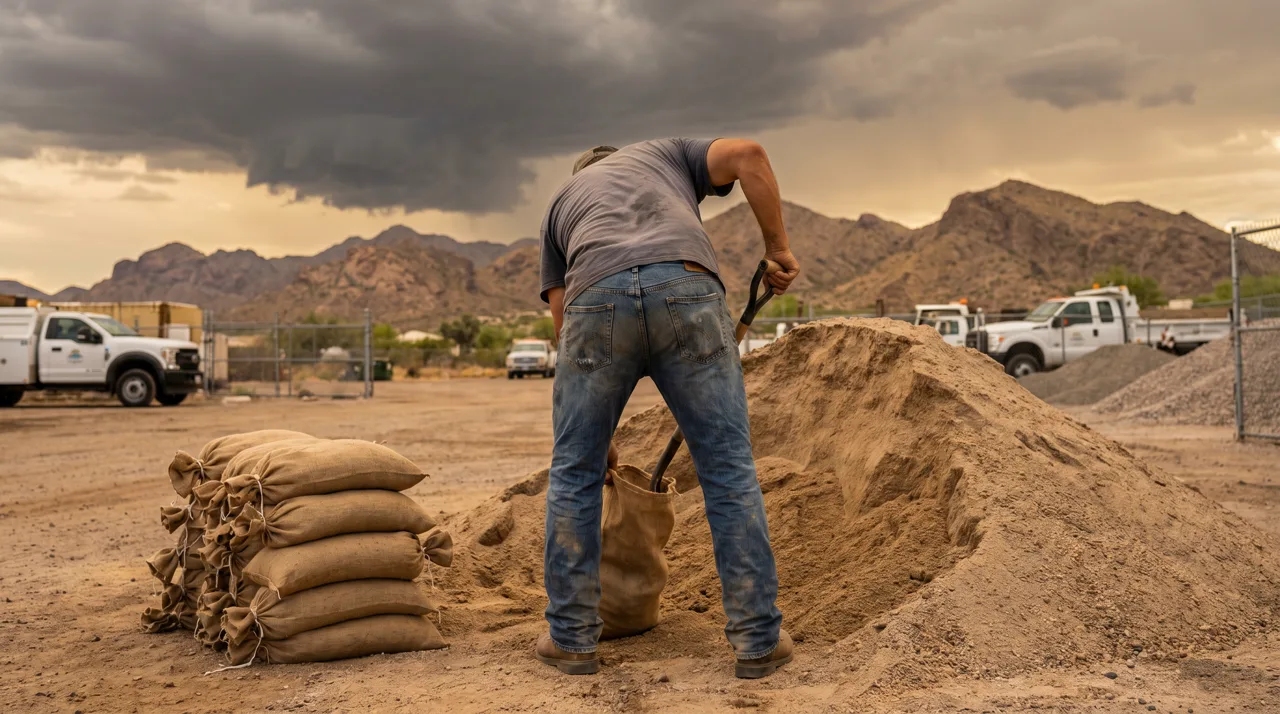
The City of Las Vegas and Clark County provide free sand and empty bags at service centers. You fill and transport them yourself, so bring gloves, a shovel, and a vehicle you don't mind getting dusty. Two standard distribution locations to remember:
East Service Center
Corner of N. Mojave Road & Bonanza Road. Convenient for central, east, and downtown-adjacent neighborhoods.
Northwest Service Center
2900 Ronemus Drive (Cheyenne at Buffalo). Serves the northwest valley and the Summerlin-adjacent corridor.
When to Go
Pick up and fill bags before the first named storm of monsoon season, not during. Supplies tighten fast once a warning is issued.
During the Storm Itself
Stay inside. Don't drive through flooded streets, and don't go near a wash, channel, or detention basin. Flamingo Wash and Tropicana Wash are two of the highest-risk areas for fast-rising water during a monsoon event, but every wash in the valley can become dangerous within minutes. The "Turn Around, Don't Drown" slogan exists because first responders keep pulling people out of vehicles who thought the water couldn't really be that deep.
The Apps, Alerts, and Local Resources to Set Up Today


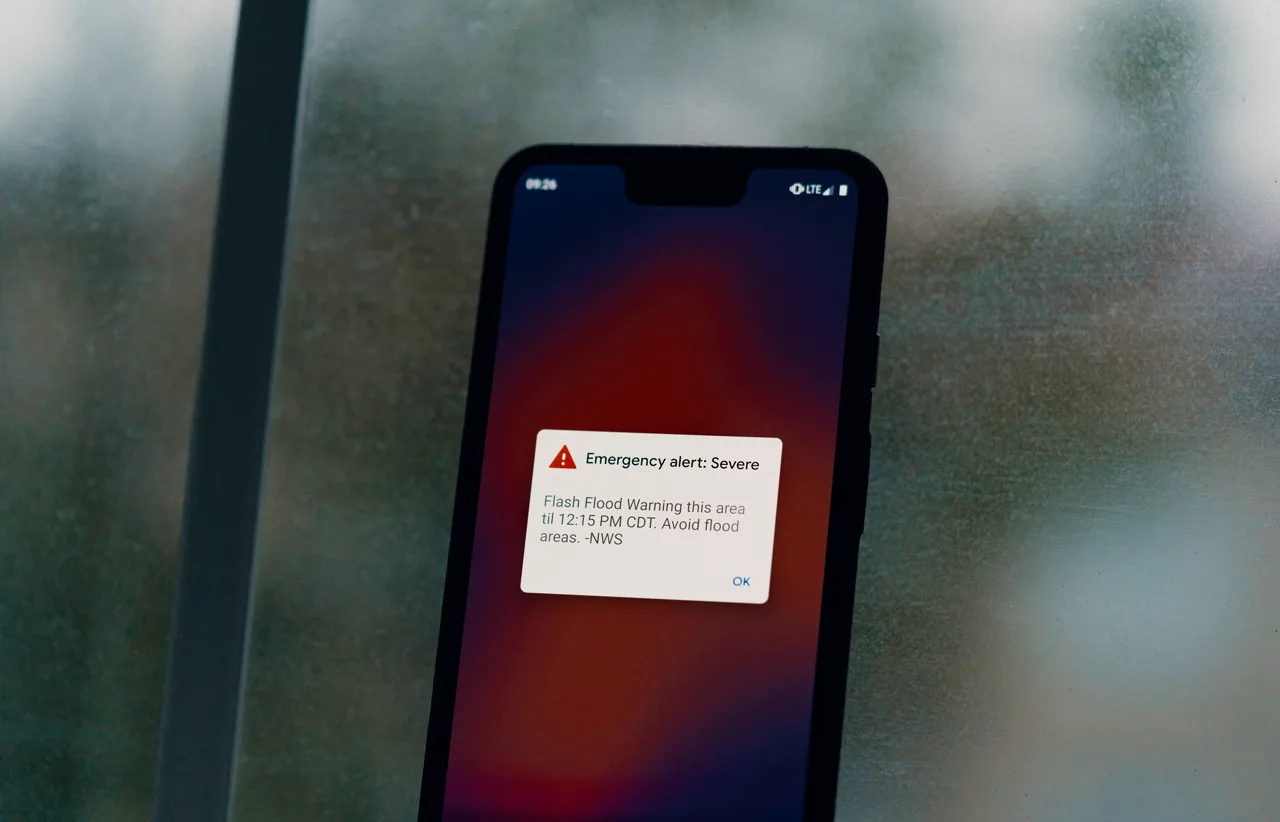
Photo by Tony Webster from Minneapolis, Minnesota, United States · CC BY 2.0 · Wikimedia Commons

Most of this is ten minutes of setup that you'll wish you'd done the moment something goes wrong. If you do one thing after reading this article, do this list.
| Resource | What It Does | When You'll Want It |
|---|---|---|
| Southern Nevada Community Preparedness App | Critical alerts, shelter locations, evacuation routes, personalized family preparedness plan | Monsoon season, extreme heat, any regional emergency |
| CodeRED Public Alerts | Free text and email safety alerts from Clark County emergency managers | Flash flood warnings, excessive heat warnings, air quality alerts |
| Flood Spot App | Local flood-level tracking and reporting for washes and channels | During and immediately after monsoon storms |
| NWS Las Vegas (weather.gov/vef) | Official forecasts, warnings, and climate data for the valley | Anytime you want primary-source weather data |
| Clark County Cooling Stations Page | Activated cooling center locations during extreme heat events | Heat waves, power outages, HVAC failures |
Building a Home Emergency Kit That Fits Vegas
National preparedness lists tell you to stock water, food, and a flashlight. That's fine as a baseline, but a valley-specific kit looks a little different. The core additions are heat-focused: way more water than you think you need, electrolytes, and a plan for cooling without electricity.
Water (Non-Negotiable)
One gallon per person per day, minimum three days, ideally seven. Pets count. In a 110°F outage, dehydration becomes a medical emergency faster than most people realize, and you can't rely on being able to drive somewhere to buy more if roads are flooded.
Cooling Without Power
Battery-powered fans, cooling towels you can soak in water, and a plan for where you'd relocate if the outage stretched past a day. For many families, that's a nearby cooling station or a friend on a different grid circuit. Scout it before you need it.
Monsoon Kit for the Car
Water, electrolyte packets, a small emergency blanket (surprisingly useful for sun shade), jumper cables, a reflective windshield shade, and a phone charger. If you get stuck during a flash flood event, you might be waiting hours for roads to reopen.
Documents and Medication
Keep copies of insurance policies (including flood, if you have it), IDs, medication lists, and veterinary records in a waterproof pouch. If you have to evacuate fast, you're not going to have time to print anything.
Other Hazards Worth a Paragraph
Dust Storms and Microbursts
Monsoon storms don't always lead with rain. A dust storm (locally called a haboob) can roll into the valley ahead of a cell, dropping visibility to nothing in minutes. If you're driving when one hits, pull completely off the road, turn off lights so drivers behind you don't follow your taillights into a stopped vehicle, and wait it out. Microbursts (sudden, intense downdrafts from collapsing thunderstorms) can snap palm trees and tear off roof tiles. Secure patio furniture and trash cans during monsoon watches.
Wildfires and Smoke
Valley floors rarely burn, but the Spring Mountains and areas near Mount Charleston do. Smoke from regional California and Arizona wildfires routinely drifts into the valley during summer, so residents with respiratory conditions should keep high-quality HVAC filters (MERV 13 if your system can handle it) and consider a portable HEPA unit for the bedroom.
Earthquakes
Nevada has active faults and is technically one of the more seismically active states by raw count, but major damaging quakes in the Las Vegas Valley are rare. Modern construction is seismic-rated, and homeowner's insurance generally does not include earthquake coverage by default. It's a real hazard, not your top planning priority.
The Buyer and Seller Angle: What to Ask Before You Close
If you're actively house hunting, a few questions will tell you a lot about how well a property handles valley conditions. These belong on your inspection request and in your conversation with the listing agent.
- How old is the HVAC system, and when was it last serviced? Ask for records, not just verbal assurances
- Was the subdivision built before or after 1992? Post-1992 developments were engineered to 100-year flood design standards
- Is the property in a FEMA flood zone, and does the current owner carry flood insurance?
- Where does surface water drain during a heavy storm? Walk the lot and look at grading
- Is there a nearby wash, channel, or detention basin? These aren't necessarily negatives, but they change your risk profile
- What's the attic insulation R-value? Anything below R-30 is a red flag for cooling costs and system wear
- Are the west-facing windows protected with solar screens, shutters, or shade structures?
If you're selling, the flip side of that list is your tune-up checklist. A pre-listing HVAC service record, a fresh insulation top-off, and documented flood-zone information signal a home that's been cared for. Buyers moving in from wetter climates respond to this stuff because they don't yet know enough to evaluate it on their own, and a well-prepared home removes objections before they start.
Putting the Plan Together
If this article feels like a lot, it is. But the actual plan compresses down to a short list you can work through in a weekend.
Living in Las Vegas is genuinely one of the better trades in American life right now. No state income tax, 300-plus days of sunshine, world-class food, trails into Red Rock that locals can hit before breakfast, and real estate that still pencils out for most buyers. The flash floods and the heat are the price of admission, and they're a price you can pay cheaply if you plan for them. A homeowner who's done the work above will barely notice monsoon season and will sail through the worst of summer with an AC bill, not a crisis.
That's the whole pitch. The desert is not dangerous if you respect it. It's dangerous if you move here in March and assume August will behave. Don't be that person. Do the checklist, set up the apps, and then go enjoy the place you moved to.
FAQs Homeowners Ask After They Close
Do I really need flood insurance if I'm not in a mapped flood zone?
Short answer: most valley homeowners should at least price it out. RFCD says flood insurance is available to all Clark County residents regardless of zone, and Vegas flooding is notoriously localized. A low-risk-zone policy is often surprisingly affordable, and the alternative is paying for flood damage out of pocket.
When is monsoon season in Las Vegas?
Late June through mid-September, with peak activity in July and August. Storms tend to build in the late afternoon and evening as the valley heats up and pulls in moisture from the south.
How hot does it actually get inside an attic?
Industry sources put summer attic temperatures at roughly 150°F in the Las Vegas Valley. That's why attic R-value matters so much for both cooling bills and HVAC longevity, and why R-8 duct insulation is standard in new construction here.
Are Clark County cooling stations free? Can I bring my dog?
Yes and often yes. The county activates cooling stations during excessive heat warnings, and many locations are pet-friendly. Check the Clark County cooling stations page when a warning is issued, because the list of activated sites changes by event.
What's the single most important thing a new resident should do?
Get your AC serviced before your first summer and sign up for CodeRED the same week. Those two actions cover the two hazards that cause the most trouble for new homeowners here. Everything else in this guide is worth doing, but those two are the floor.
If you're moving here or thinking about it, you can also look through the broader Las Vegas market overview, the Summerlin community guide, or the Henderson neighborhoods guide to see how individual submarkets compare on factors like subdivision age and proximity to the primary flood-control channels. And if you already own and want to understand how heat-readiness and flood-zone status affect your resale value, a current home valuation is the fastest way to find out.
Categories
Recent Posts