Cost of Living: Las Vegas vs. Portland

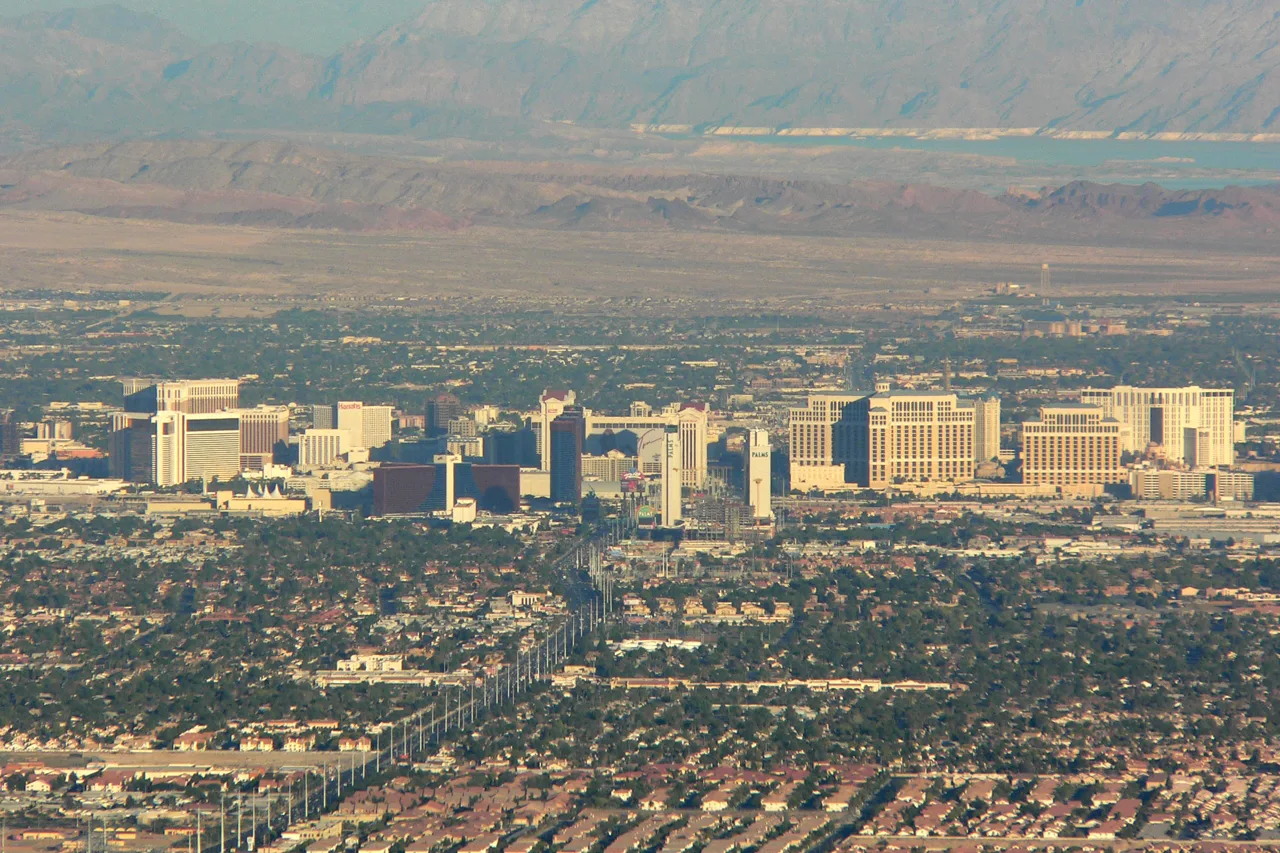
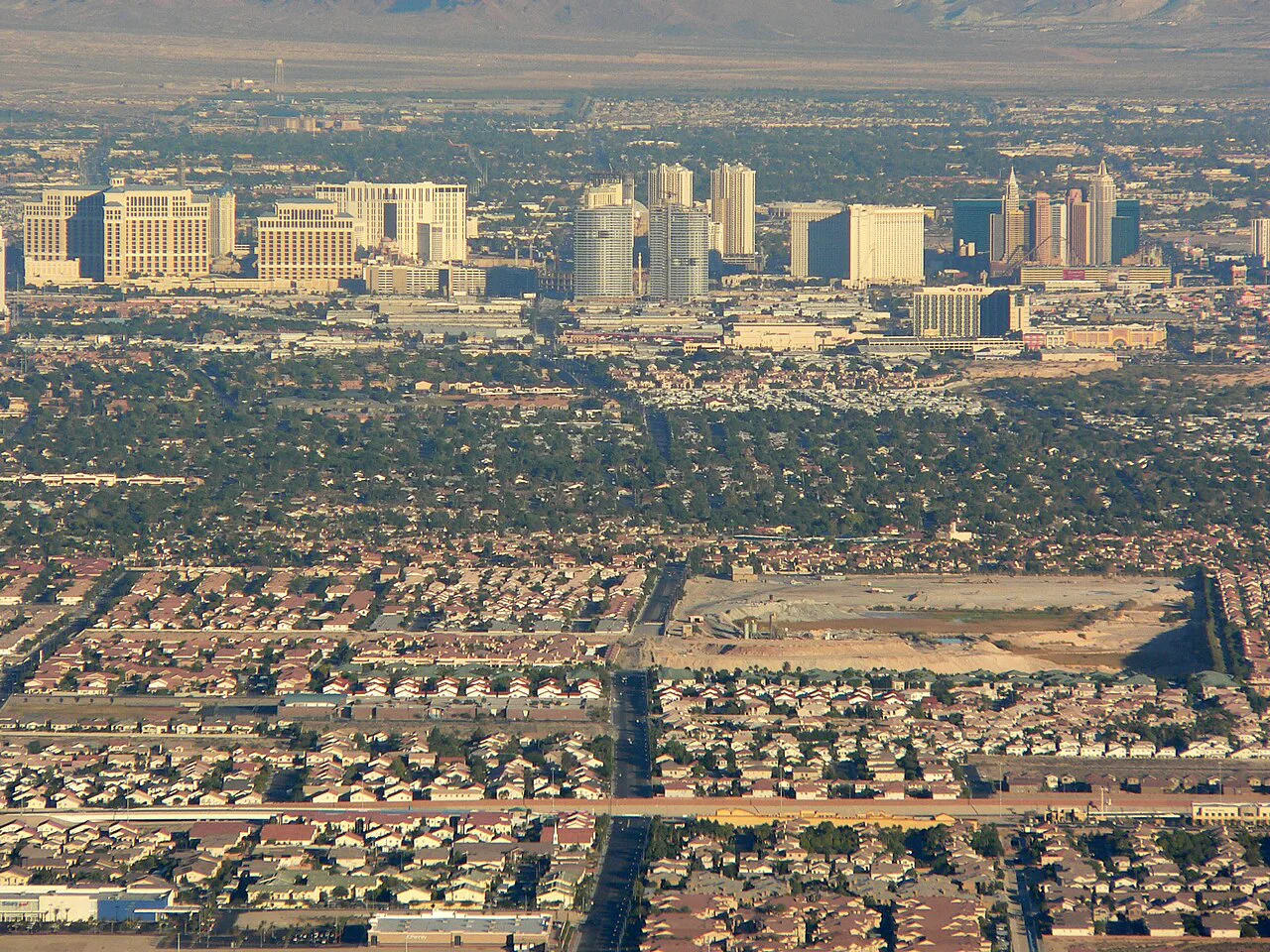
Photo by Stan Shebs · CC BY-SA 3.0 · Wikimedia Commons
If you're weighing a move from Portland to Las Vegas (or just trying to figure out what your paycheck will actually buy in either city), here's the honest version: Las Vegas is meaningfully cheaper on the two biggest line items in most people's budgets, housing and taxes, and that gap tends to widen the more you earn. Portland has real strengths around transit and sales tax, but for most households those wins don't catch up.
I help people relocate to Las Vegas every week, and Pacific Northwest buyers have become one of the most common groups I work with. The same questions come up over and over. How much cheaper is a house, really? Will the tax savings show up in my paycheck the first month? What about utilities in the summer? This guide walks through every category I get asked about, with current numbers from sources you can verify yourself.
The Headline Numbers Side by Side
Before the breakdowns, here's a snapshot of the cost categories that move the needle most. All figures are current 2026 data from public sources (Redfin, Apartments.com, Tax Foundation, MIT Living Wage Calculator, and AAA).
| Category | Las Vegas | Portland | Difference |
|---|---|---|---|
| Median home sale price | ~$430,000 | ~$524,000 | Portland +$94K |
| Average apartment rent | $1,281/mo | $1,520/mo | Portland +$239 |
| 2-bedroom rent | $1,542/mo | $1,813/mo | Portland +$271 |
| State income tax | None | 4.75%-9.9% | Huge for earners |
| Effective property tax rate | 0.49% | 0.81% | Oregon nearly 2x |
| State sales tax | 8.38% combined | 0% | Portland wins on shopping |
| Average gas price | $5.24/gal | $5.32/gal | Roughly even |
| Living wage (1 adult, 0 kids) | $22.91/hr | $27.91/hr | Multnomah Co. needs ~22% more |
Look at that table for a minute and you can already see the shape of the answer. Portland's only clear win is on sales tax. Vegas wins on housing, rents, income tax, and property tax. The transportation and utility categories are closer to a wash and depend more on lifestyle than on city.
Housing: The Single Biggest Gap

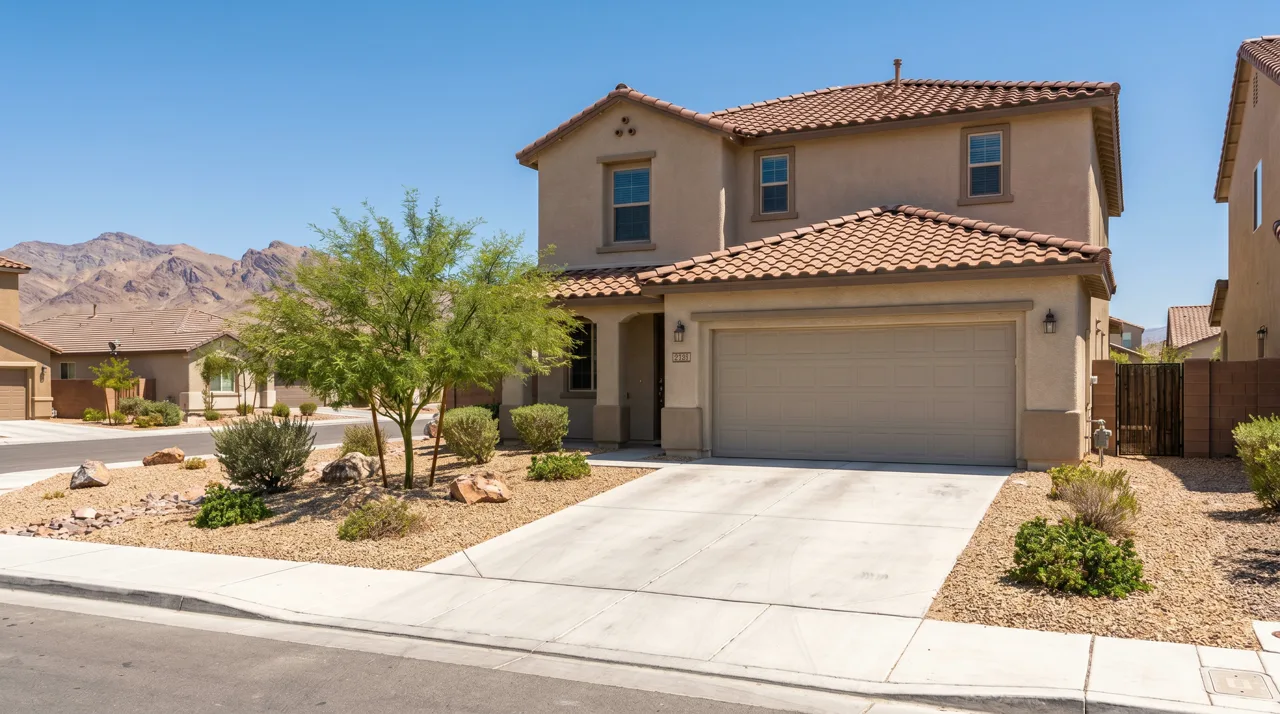
Housing is where the comparison really opens up. Redfin's Portland market data puts the median sale price at roughly $524,000 in spring 2026, up about 4.8% year over year, with homes selling in around 19 days and receiving roughly three offers each. That's a competitive market with not much room for buyer negotiation.
Las Vegas is a different story. Redfin's Las Vegas data shows the median around $430,000, slightly softer year over year, with inventory climbing toward four to four-and-a-half months of supply. Roughly 63% of homes are currently selling below their initial list price, which is the strongest buyer leverage Vegas has seen in years. Zillow's home value indexes tell a similar story, with average Portland values near $517,800 and Las Vegas values near $426,900.
So before you even talk about mortgages or taxes, the typical Portland home costs about $90,000 to $100,000 more than its Vegas counterpart. That gap compounds. A higher purchase price means a bigger down payment, a larger loan balance, more interest paid over thirty years, higher insurance premiums, and a higher property tax bill.
Entry Level
$300k-$450k
Townhomes, smaller single-family in North Las Vegas and parts of the central valley. Comparable Portland inventory generally starts around $400K.
Family Sweet Spot
$450k-$750k
Three-bed single-family homes with pools and garages in Henderson, Summerlin, and Mountains Edge. In Portland, this tier puts you closer to $550k-$850k.
Luxury Tier
$850k+
Custom homes, golf course lots, guard-gated estates. Same price brings you a smaller footprint in the Portland metro.
For a deeper look at where those price tiers actually land, the Las Vegas market overview and Summerlin guide are good starting points. Henderson is the most direct apples-to-apples comparison for Portland's eastside suburbs in terms of feel, and Henderson's median sits around $535,000 across all home types.


Rents: A Real Premium for Portland Renters
If you're renting first while you scout, the gap shows up immediately. Apartments.com puts the average Las Vegas apartment rent at $1,281, with one-bedrooms at the same number, two-bedrooms at $1,542, and studios at $994. Portland averages $1,520 across all apartments, with one-bedrooms also at $1,520 and two-bedrooms at $1,813.
That's an extra $239 per month on average and $271 on a two-bedroom. Over a one-year lease, you're looking at roughly $2,800 to $3,250 in extra Portland rent for the same general apartment quality. Zillow's broader rent index narrows the gap somewhat (it pulls in single-family rentals and a wider housing mix), but Apartments.com is the closest direct comparison for actual leasing.
Taxes: Where the Move Really Pays
This is the category where Pacific Northwest movers tend to underestimate the savings, because some of Portland's local tax layers don't even show up in basic cost-of-living calculators.
State Income Tax
Nevada has no individual income tax. None. Oregon's personal income tax runs from 4.75% to 9.9% depending on bracket. On a $100,000 household income, that's an effective state tax difference of roughly $8,000 per year. At $200,000, the swing is around $18,000. At $300,000, you're looking at savings north of $28,000 annually just on state income tax.
Portland's Local Income Taxes (The Surprise Layer)
Here's the part many Portlanders don't fully appreciate until they leave. The City of Portland and Metro region layer additional local income taxes on top of Oregon's state rate for higher earners:
- Metro Supportive Housing Services (SHS) tax: 1% on taxable income above $128,000 single or $205,000 joint for tax year 2026
- Multnomah County Preschool for All (PFA) tax: 1.5% above $125,000 single or $200,000 joint, plus an additional 1.5% above $250,000 single or $400,000 joint
- Portland Arts Tax: A flat $35 per qualifying adult resident
You can verify all of these on Portland.gov's personal tax page. A two-earner household at $300,000 joint income could be paying close to $4,500 a year in local Portland-area income taxes alone, on top of Oregon state tax. None of that exists in Nevada.
Sales Tax: Portland's One Big Win
Oregon has no state sales tax. Clark County, Nevada applies 8.38% (4.6% state plus 3.78% local). If you do a lot of taxable shopping (furniture, electronics, large appliances), Portland saves you real money on those purchases. The honest math: for most households, the income and housing savings in Vegas dwarf the sales tax penalty. But if you're someone who'd be furnishing a whole house from scratch, plan for that line item.
Property Taxes: Vegas Wins on Both Rate and Base


Property tax is where the two cities differ in a way that snowballs over the life of homeownership. Nevada's effective property tax rate on owner-occupied homes is roughly 0.49% according to the Tax Foundation. Oregon comes in at 0.81%, and within the Portland metro, the effective rate climbs closer to 0.93% on a $400,000 standardized asset basis.
On the same $400,000 home value, here's the rough annual property tax bill:
- Las Vegas: about $2,000 per year
- Portland: about $3,720 per year
- Annual difference: roughly $1,700 in Vegas's favor on the same value
But the gap is actually larger than that, because the typical Portland home is also worth about 20% more. Apply Portland's rate to a $524,000 home and you're looking at closer to $4,870 a year in property tax. Apply Nevada's rate to a $430,000 home and the bill is roughly $2,107. That's a $2,750-per-year swing, or about $230 a month, before you've even thought about mortgage interest.
Nevada also has a 3% annual property tax increase cap on primary residences (AB 489), which protects homeowners from the kind of tax shock that hit Texas and Florida owners during recent appreciation cycles. As a CRS and Top 1% Las Vegas agent, I make sure every buyer I work with files the primary residence postcard with the Clark County Assessor right after closing, because skipping that step bumps your cap to 8%.
Utilities: Two Different Kinds of Pain
This is the category where I have to push back on the lazy version of the comparison. Plenty of cost-of-living articles wave their hands and say "Vegas summers are brutal," which is fair, but they almost never mention that Portland has its own utility costs that creep up year after year.
Electricity
Per the U.S. Energy Information Administration, residential electricity prices are nearly identical: Nevada at 14.38 cents per kWh, Oregon at 14.64 cents per kWh. The difference shows up in usage, not rate. A Las Vegas household typically pays $150 to $170 a month averaged across the year, but summer bills (June through September) can run $250 to $470+ for larger homes with older HVAC equipment. Winter bills drop to $100 to $180. Portland's electric bills are flatter month to month but include a real winter heating load.
Water and Sewer
Portland's water and sewer system has been raising rates aggressively. The Portland Water Bureau increased the average single-family water bill 8.1% on July 1, 2025, with combined sewer/stormwater/water charges projected to climb 6.34% that same month. The water portion alone is $65.57 monthly for FY 2025-26. Sewer charges are tied to winter water use rather than current use, which is its own quirk to plan around.
Vegas water is tiered to discourage outdoor irrigation. A standard household runs $32 to $60 a month, but a home with lawn or thirsty landscaping can jump to $110 or more. Xeriscaped homes (most newer construction) avoid the top tiers entirely.
Natural Gas and Internet
Southwest Gas in Las Vegas averages around $42 a month, with winter peaks under $80. Cox, CenturyLink, and T-Mobile Home Internet compete aggressively in Vegas, with fiber options at $50 to $55 a month and gigabit cable at $55 to $115. Portland has solid fiber options too. This category is roughly a wash.
The bottom-line utility totals usually look like this: Vegas runs $225 to $350 per month all-in, while Portland tracks closer to $260 to $320 thanks to lower summer cooling but higher sewer and water charges. Closer than people assume.
Transportation: The Category Where Portland Pushes Back


Here's where Portland actually narrows the gap. TriMet's integrated transit system (light rail, buses, streetcar, plus C-TRAN buses across the river) means a lot of inner-Portland households genuinely operate with one car or none. Fares are capped at roughly $100 a month for adult riders, so once you hit the cap, every additional ride is free.
Las Vegas runs the RTC bus network with a $3 base cash fare. There's the Las Vegas Monorail along the Strip and the Deuce double-decker on the same corridor, but neither is a daily commute solution for most residents. The reality is that almost everyone living in Las Vegas has at least one car, and many households have two.
That changes the budget. A typical Vegas household needs to account for:
- Car payments (or the lump sum to buy outright)
- Auto insurance, which runs about $235 to $297 a month for full coverage (Nevada is currently the most expensive state in the country for car insurance)
- Gas at about $5.24 a gallon currently per AAA
- More miles driven on average than a Portland household
The auto insurance number is the one most movers don't see coming. If you're rolling in from Portland with one car and a clean record, expect Nevada premiums to land 30% to 60% higher than what you were paying. Budget accordingly.


Wages and Income: What You Need to Live on Each City
The MIT Living Wage Calculator is one of the cleanest ways to compare what it actually takes to cover basics. For a single adult with no kids, Multnomah County (Portland) requires $27.91 per hour. Nevada's statewide figure is $22.91 per hour. That's about 22% more income needed in Portland just to clear the same basic-needs floor.
Median household income in the Las Vegas-Henderson-Paradise metro runs around $60,000 to $70,000. Software engineers in Vegas average $115,000 to $124,000. Registered nurses pull $88,000 to $98,000. Teachers run $62,000 to $73,000. Police officers earn $59,000 to $77,000. Portland salaries trend slightly higher in tech and healthcare, but not by enough to offset the housing and tax differential for most professionals.
The Bureau of Economic Analysis tracks Regional Price Parities, which measure local price levels against the national average. Las Vegas-Henderson-Paradise comes in at 97.4, slightly below the national average. Portland tracks meaningfully higher across the same dataset.
Who Saves Most Moving to Las Vegas
Not every household saves the same amount when they make the move. Here's roughly how the math breaks down by buyer profile:
The Remote Professional ($150K+)
This is the biggest winner. Nevada's lack of state income tax saves $7K to $15K+ annually right off the bat. Add the Metro SHS tax and Multnomah PFA tax that no longer apply, and the swing can clear $20K. Combine that with cheaper housing and the after-tax purchasing power gap is genuinely life-changing.
The First-Time Homebuyer Family
Lower median price means a smaller down payment and a smaller mortgage. Lower property tax rate means a smaller monthly carrying cost. No state income tax means more take-home pay to qualify with. A Portland family priced out of buying frequently finds a comparable home in Henderson or Summerlin within budget.
The Retiree
Nevada has no state income tax on Social Security, no inheritance tax, no estate tax, and a homestead exemption protecting up to $605,000 in primary residence equity. Combine that with lower property tax and you're preserving more of your portfolio than you would in Oregon.
The Single Urban Renter
Smaller wins, but still wins on rent (about $240/month cheaper for a comparable one-bedroom) and on take-home pay. The catch: you'll likely need a car here, which can offset $200 to $400 of those monthly savings depending on driving habits and insurance rates.
The Honest Tradeoffs You Should Plan For
I'm not going to pretend the move is a no-brainer for everyone. There are real things to know going in.
- Summer is real. June through September is genuinely hot, and your electric bill reflects it. Modern HVAC with SEER2 14+ rating helps a lot, and most homes built in the last decade have good insulation.
- You'll need a car. Unless you live in one specific high-rise corridor near the Strip or downtown, plan on driving for most errands.
- Auto insurance is high. Nevada leads the country in average premiums. Get a quote before you sign on a house.
- Water awareness matters. Tiered water pricing means desert-style landscaping costs less to maintain than lawn.
- Sales tax adds up on big purchases. If you're furnishing a whole new house, that 8.38% combined rate is real money.
What you're trading those things for: hundreds of clear days a year, easy access to Red Rock Canyon and Mount Charleston, a real housing market where you can actually buy something, and no state income tax for as long as Nevada keeps its current structure.
What This Looks Like in Real Dollars
Approximate annual savings:
- Oregon state income tax (eliminated): ~$18,500
- Metro SHS and Multnomah PFA taxes (eliminated): ~$1,800
- Property tax difference on a $500K home: ~$1,600
- Rent or mortgage savings on equivalent housing: ~$3,000-$6,000
That kind of swing changes what's possible. It's a kid's college fund. It's an early mortgage payoff. It's the down payment on a second property. The reason migration from Oregon to Nevada has held steady year after year isn't mystery. It's math.
Bottom Line: Should You Make the Move?
Las Vegas is materially cheaper than Portland for the categories that dominate most household budgets: housing, income tax, and property tax. Portland's wins are real but narrower: no sales tax, better integrated transit, and slightly lower summer cooling load.
For higher-income households, families looking to buy, and retirees, the financial case for Vegas is strong and clear. For car-light single renters in inner Portland, the gap shrinks. For everyone in between, it's still in Vegas's favor, just by a smaller margin.
If you're at the stage of running real numbers on a specific Vegas neighborhood or home price, the mortgage calculator on this site factors in HOA, insurance, and tax estimates so you can model the actual monthly carry. If you've already got a Portland home to sell or want a sense of what your equity buys here, the free home valuation tool is a decent starting point. And if you want to talk through neighborhoods that actually fit your lifestyle (not just the ones featured on Zillow), that's what I do every day.
The move from Portland to Las Vegas is one of the most common relocations I help with, and the people who plan it well almost always tell me the same thing a year in: they wish they'd done it sooner.
Categories
Recent Posts