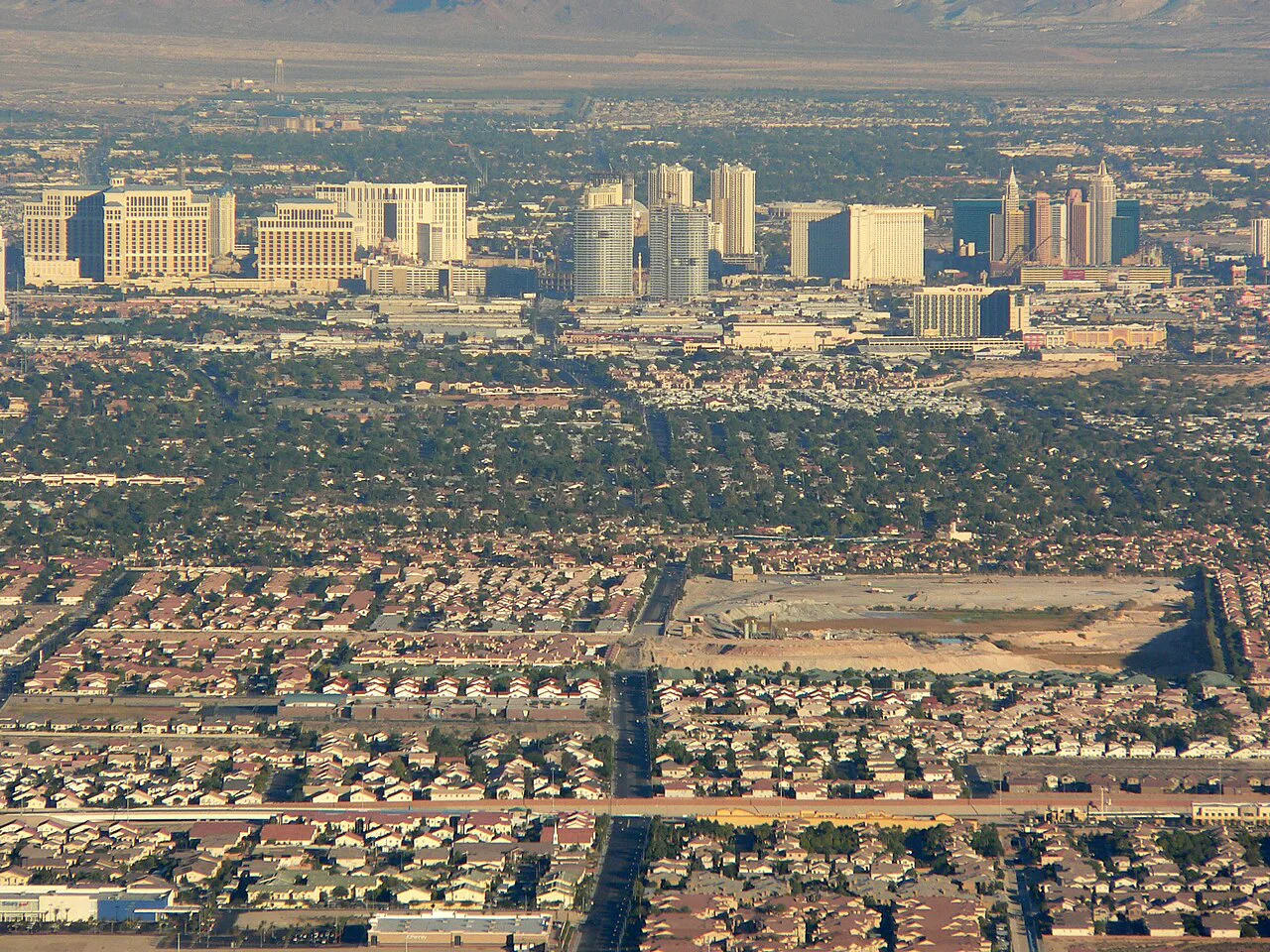
Cost of Living: Las Vegas vs. Honolulu


If you've ever stood in line at a Honolulu grocery store and watched a gallon of milk ring up at $8, you already know the answer most people are looking for when they Google cost of living Las Vegas vs Honolulu. Vegas wins, and it wins by a lot. The harder question, the one that actually matters when you're thinking about moving, is by how much, in which categories, and whether the savings hold up after you adjust for the things Hawaii residents are often surprised to start paying for in the desert.
Las Vegas has been a soft landing spot for so many former Hawaii residents that locals here started calling it the Ninth Island decades ago. The reason isn't a mystery. Median home prices on Oahu sit above a million dollars, the state has one of the highest income tax brackets in the country, and almost everything sold at retail has to come across an ocean before it hits a shelf. Las Vegas has its own pain points, but on the categories that drain a paycheck the fastest, the math is rarely close.
Here's what the numbers actually look like across the categories that matter, with sourcing throughout and a fair accounting of where Vegas costs more than people expect.
The Headline Number: Roughly 26% Cheaper, Sometimes More
Aggregating cost-of-living indexes is messy because different datasets weight different categories, but the major comparisons all land in the same neighborhood. Las Vegas typically scores around 26% cheaper than Honolulu across the standard consumer basket. Some third-party calculators push that gap above 40% once housing is fully weighted in. The MIT Living Wage Calculator offers the cleanest apples-to-apples view: a single adult in Clark County needs about $42,812 a year after taxes to cover basics, while the same person in Honolulu County needs $50,553. That's a $7,741 gap, about 18% more required income, before you've upgraded your apartment, eaten out, or saved a dollar.
The gap widens once you factor in Nevada's tax structure, and it widens again when you compare the per-square-foot math on a house. Below, the categories that drive most of that difference.
Housing: Where the Real Gap Lives

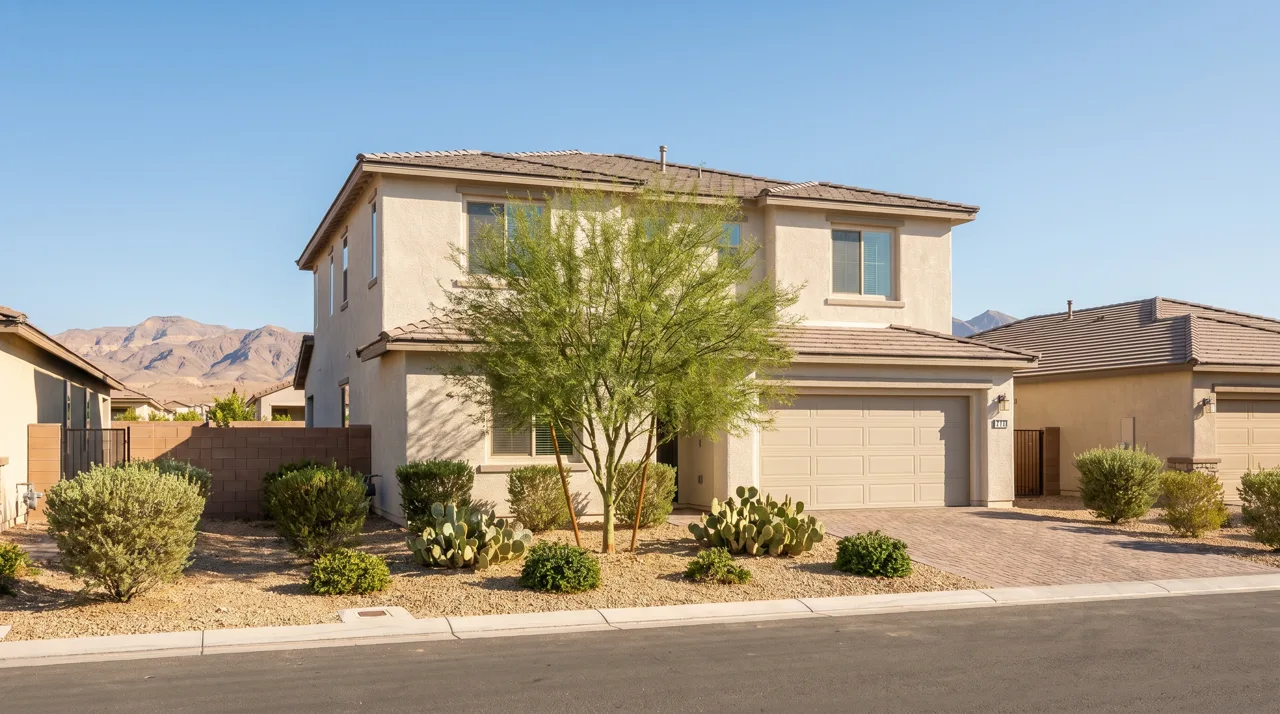
Housing is the make-or-break category in any cost-of-living comparison, and this one is dramatic. The Honolulu single-family market routinely sits above $1.1 million for a median home. Las Vegas in March 2026 has a median single-family resale price near $481,995, with a citywide price-per-square-foot around $255 to $258. Two streets in Summerlin or Henderson can run higher or lower than that, but even Summerlin's median, hovering near $649,900 for established product, comes in at roughly 40 cents on the Honolulu dollar.
| Housing Metric | Las Vegas | Honolulu | Gap |
|---|---|---|---|
| Median single-family home | ~$481,995 | ~$1,100,000 | ~$618k less in LV |
| Median condo/townhome | ~$285,000 | ~$515,000 | ~$230k less in LV |
| 1-bedroom apartment rent | $1,109-$1,695 | $1,725-$3,029 | Honolulu nearly double |
| 2-bedroom apartment rent | $1,385-$1,884 | $2,257-$4,782 | Honolulu often 2-3x |
| Property tax rate (effective) | 0.47%-0.59% | ~0.32% (low rate, high values) | See note below |
The property tax line is one of the most misunderstood pieces of this comparison. Hawaii's owner-occupied residential rate is a tiny $3.50 per $1,000 of net taxable assessed value for the current fiscal year. That sounds like a dream until you remember it's being applied to a million-dollar median. Las Vegas effective rates run roughly 0.50% to 0.59% across Clark County, which sounds higher in percentage terms, but it's being applied to a much smaller asset base. The annualized bill on a $400,000 Las Vegas home lands near $2,000. On a $1.1 million Honolulu home, you're paying more in absolute dollars even at the lower rate.
Nevada also has something Hawaii doesn't: a 3% annual cap on tax-bill increases for primary residences under AB 489. Once you file the primary residence affidavit with the Clark County Assessor, your tax bill can't jump more than 3% in a given year regardless of how much your home appreciates. That's a real long-term carrying-cost protection that's easy to underrate in year one and impossible to overrate by year ten.
For anyone running numbers on what a specific home actually costs to own here, the mortgage calculator handles HOA, insurance, and tax estimates side by side. And if you want to see what real homes look like at different price points, the Las Vegas listings page updates every fifteen minutes. Summerlin and Henderson are the two areas most former Honolulu residents end up gravitating toward, partly for the elevation and slightly cooler temperatures, partly for the schools.
Taxes: The Silent Raise
Nevada has no state individual income tax. None. Hawaii has a graduated income tax that runs from 1.4% to 11.0%, which puts it in the top tier of state income tax burdens nationally. For a household making $150,000, that difference alone is worth somewhere around $12,000 in retained income per year. At $300,000, the gap balloons to roughly $27,800.
This is the part of the move most people understand intuitively but underestimate in practice. The first paycheck after a Hawaii-to-Nevada move usually surprises people. It's not magic. It's the absence of an entire line item that used to come out before the money hit the account.
Nevada also has no estate tax and no inheritance tax. For retirees moving from Hawaii, this can matter as much as the income tax savings, particularly for households thinking about how to pass assets to children.
Utilities: The Trade-Off Most People Get Wrong

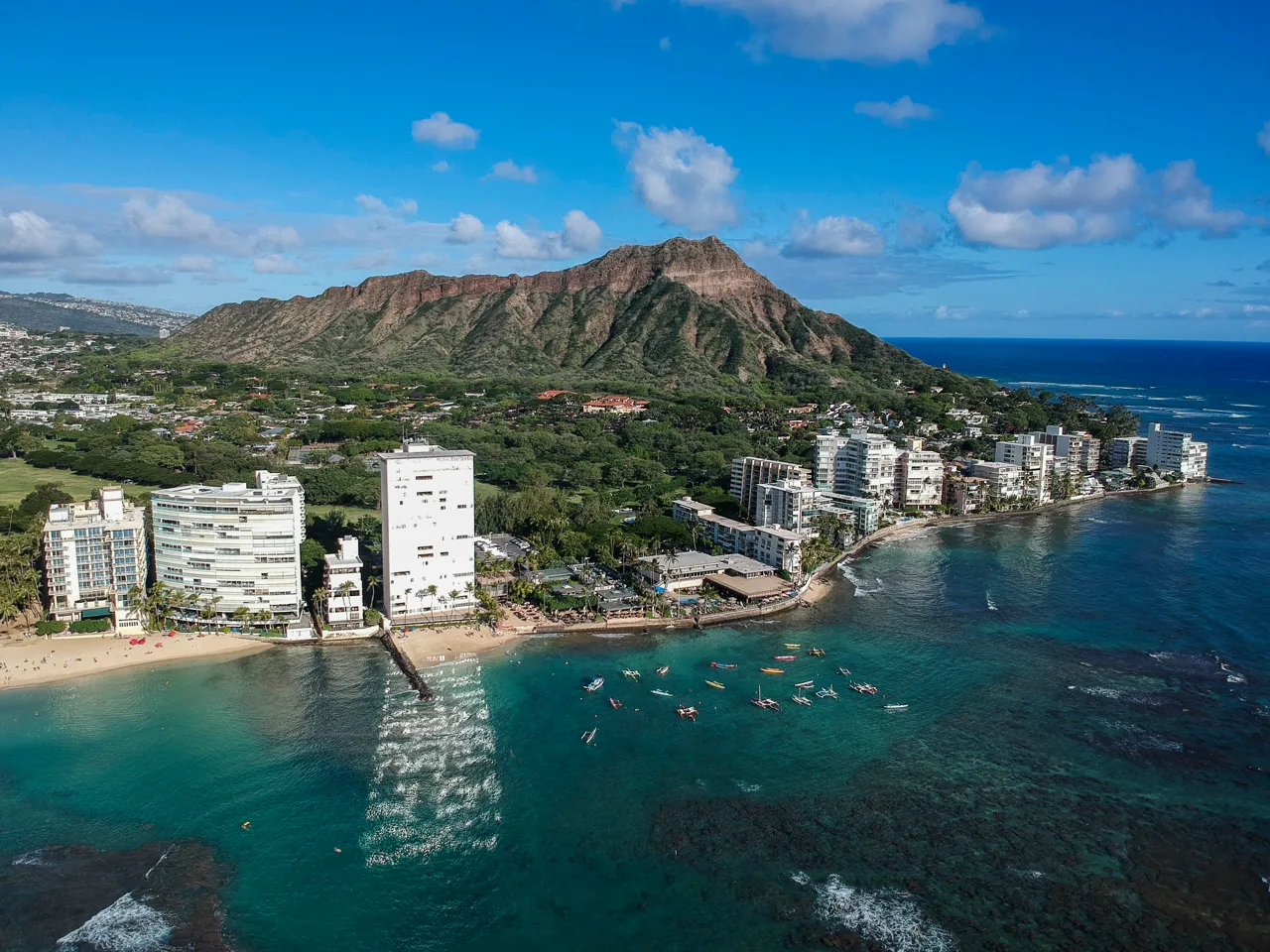
Photo by Anthony Quintano from Honolulu, HI, United States · CC BY 2.0 · Wikimedia Commons
This is where the comparison gets interesting, because it's not a clean win for Las Vegas in every season. Hawaii has the highest residential electricity rates in the country, with Oahu running around 42 cents per kilowatt-hour in 2026 according to industry trackers using official tariff data. Nevada residents pay roughly 12.83 to 14 cents per kWh through NV Energy, plus a basic service charge around $16.55 a month. On a per-unit basis, Vegas power costs less than a third of Honolulu's.
The catch is how much each household actually uses. Honolulu's mild island climate means most homes don't run air conditioning constantly. Las Vegas does the opposite. From June through September, daytime highs sit between 100 and 115 degrees, and AC systems run on long cycles for weeks at a stretch. A typical Las Vegas summer electric bill runs $250 to $470 a month, sometimes more for larger homes. Winter bills drop to $100 to $180.
Even with the desert summer spike, the per-unit price gap is wide enough that most former Honolulu residents report meaningful monthly savings on electricity, especially if they invest in a newer 14 SEER2 or better HVAC system. Going from a 10 SEER unit to a 14 SEER2 unit cuts summer cooling costs by roughly 15%.
Electricity (Per kWh)
LV: ~13¢ • HNL: ~42¢
Vegas wins per unit by a wide margin, but burns more units in summer.
Avg Monthly Bill
LV: $154-$171 avg
Summer spikes to $250-$470. Honolulu sits high year-round on rate alone.
Water
LV: $32-$60/mo standard
Tiered to penalize heavy outdoor irrigation. Conservation culture is real here.
Water is its own conversation. Honolulu's Board of Water Supply uses tiered residential pricing that starts at $4.92 per thousand gallons and steps up sharply past 6,000 gallons. Las Vegas water bills usually run $32 to $60 a month for a standard household, but the desert valley aggressively prices high-volume use, and Southern Nevada has done more than almost any U.S. city to push residents toward xeriscaped yards. If you're coming from Hawaii expecting to plant a tropical garden in your Vegas backyard, you'll want to read the water rate schedule first.
Groceries: The Paradise Tax


This is the category former Honolulu residents talk about most after they leave. Hawaii imports most of what it eats, and the shipping cost is baked into every shelf price on the island. The Hawaii Department of Agriculture's retail egg survey showed conventional egg averages in Honolulu approaching $9.74 a dozen in April 2025. Milk runs $7 to $9 a gallon. Bread can hit $5 to $7 a loaf.
Las Vegas grocery prices aren't bargain-basement, but they sit closer to mainland norms. Clark County average per-person grocery spending lands around $293 a month, roughly 15% below the national urban average. The valley benefits from proximity to California's agricultural supply chain, which means produce and dairy show up fresher and cheaper than what reaches Oahu.
The cost of groceries in Las Vegas runs approximately 28.6% lower than in Honolulu, driven largely by Hawaii's dependence on imported food.
The everyday math feels different here. A weekly shop that runs $250 to $300 in Honolulu often runs $150 to $200 in Las Vegas for the same items. Over a year, for a family of four, that's a difference north of $5,000.
Transportation: Closer Than You'd Think, But Still in Vegas's Favor
Gas is expensive everywhere on the West Coast, and both cities sit near the top of the national rankings. As of May 2026, Honolulu averages around $5.60 per gallon for regular while Las Vegas sits closer to $5.24. The gap is real but not enormous, and Vegas drivers should expect higher per-mile costs than residents of inland mainland metros.
Where Vegas pulls ahead more clearly is car insurance and overall transportation flexibility. Nevada is one of the most expensive states for full-coverage auto insurance, with annual premiums running $2,824 to $3,568. That's a significant cost, but it's offset by lower vehicle depreciation rates than humid Honolulu, where salt air eats cars faster.
Public transit is a different story. Honolulu's TheBus and the new Skyline rail give Oahu residents a more usable transit network than Las Vegas offers most neighborhoods. RTC single rides in Vegas cost $2 with a $5 daily pass, while Honolulu adult monthly passes run around $90. If you're a transit-dependent household, Honolulu actually softens the cost-of-living blow somewhat by reducing car ownership. If you drive everywhere, which most Las Vegas residents do, the math tilts even more heavily toward Vegas because gas and insurance are still cheaper than buying a house here would have been in Hawaii.


Inflation and What's Changing in 2026
The two cities are feeling inflation differently right now. The Bureau of Labor Statistics shows Honolulu CPI ran +3.7% all-items for the 12 months ending March 2026, with food up 3.6% and energy up 3.3%. Las Vegas posted food inflation of 3.3% and a sharper energy spike of 12.5% over the same period, reflecting the desert's exposure to power-rate adjustments and fuel.
So while the structural gap still strongly favors Las Vegas, the rate of change matters. Vegas residents are watching energy costs more carefully than they did three years ago, and that's an honest variable to plan around if you're modeling a multi-decade move.
The Stuff Nobody Talks About in Cost Comparisons
Numbers like medians and percentages are useful, but they hide the lived experience of being able to actually afford the life you want. A few of the second-order effects worth knowing:
- Homeownership is statistically reachable here. The median Las Vegas single-family price requires roughly the income that supports a mid-range condo in Honolulu, not a single-family home.
- Lifestyle surplus shows up in the small things. Eating out at a mid-range Las Vegas restaurant ($20 to $44 per person) costs roughly what a budget meal does in Honolulu.
- HOA dues exist in both cities, but Vegas dues skew lower outside of high-rise condos. Most Henderson and Summerlin neighborhoods run $50 to $250 per month.
- Cars actually last here. Dry desert air is hard on tires and paint, but it doesn't rust frames the way ocean air does. Plan to swap windshields more often, plan to replace exhaust systems less.
- Healthcare costs are roughly 40% lower in Las Vegas than Honolulu by most consumer indexes, partly because there's more provider competition in the valley.
Where Vegas Costs You More Than You'd Expect
An honest comparison has to acknowledge the categories where the desert actually demands more from your wallet than the island did. Here's the short list, because hiding it would do you no favors.
Auto Insurance
Nevada's full-coverage premiums are the highest in the country. Drivers coming from Hawaii almost universally see their premium go up, sometimes significantly. Budget for $235 to $300 a month per car. Shopping around and bundling helps; eliminating it doesn't.
Summer Electricity
From mid-June through September, a midsize Vegas home can run $300 to $500 a month on power alone. Newer construction with strong insulation and high-SEER systems cuts this meaningfully, but it's a real annual line item. Older 1990s and early 2000s homes hit hardest.
HVAC Replacement
Las Vegas AC systems work harder than in almost any climate on earth, and they don't last as long. Expect to budget for a major HVAC replacement every 10 to 15 years, at $8,000 to $15,000 depending on home size and SEER tier.
HOA and Master-Plan Dues
Most newer Vegas neighborhoods sit inside master-planned communities with HOA fees. Older Henderson and central Vegas pockets often don't, but Summerlin, Mountain's Edge, Inspirada, and similar communities do. Verify the total monthly carrying cost on any property, including SID bonds, before making an offer.
So What Does the Move Actually Look Like?



If you're coming from a $1.1 million Honolulu home and selling into a $475,000 to $650,000 Las Vegas home, the equity differential usually leaves you with substantial proceeds at closing. Many former Hawaii residents use that cushion to put down 30% to 50% on the new house and walk into a noticeably lower monthly payment despite higher interest rates than what people saw three years ago. Combine that with the elimination of state income tax, and the all-in monthly cost of operating a household drops in a way that's hard to overstate.
The pace of the move matters too. Las Vegas in 2026 has tipped into buyer-friendly territory for the first time since 2019. Roughly 63% of homes are selling below the initial asking price, builders are offering aggressive rate buydowns into the 5% range, and inventory has stabilized at 3.35 to 4.6 months of supply. That's not the frantic seller's market of 2021. It's a real chance to take your time, negotiate, and pick the right house instead of the only house.
As a CRS and Top 1% Las Vegas agent, I work with relocating buyers from Hawaii regularly. The pattern is consistent: the move pencils out, the savings are real, and the adjustment to the climate takes one summer to figure out. The biggest mistake people make isn't choosing the wrong house. It's underestimating how much the property tax cap, the no-income-tax math, and the lower cost basis on everyday life compound over five and ten years.
Quick Reference: The Cost-of-Living Scorecard
| Category | Winner | How Big a Gap |
|---|---|---|
| Single-family home prices | Las Vegas | Median runs less than half |
| Rent (1 and 2 bedroom) | Las Vegas | Honolulu often 2x or more |
| State income tax | Las Vegas | 0% vs up to 11% |
| Electricity per kWh | Las Vegas | ~13¢ vs ~42¢ |
| Groceries | Las Vegas | ~28% cheaper |
| Healthcare | Las Vegas | ~40% cheaper |
| Gasoline | Las Vegas (slightly) | ~$0.36/gal cheaper |
| Auto insurance | Honolulu | Nevada is highest in U.S. |
| Public transit usability | Honolulu | Better network for non-drivers |
| Summer cooling costs | Honolulu | Mild island climate |
Common Questions From Hawaii Movers
Will my paycheck actually feel bigger?
Yes, in most cases noticeably so. The combination of no state income tax, lower housing costs, and cheaper groceries means most relocating households see their effective disposable income climb 20% to 40% even before adjusting for buying versus renting decisions. The exception is households deep in the lower wage brackets where Hawaii's tax burden was relatively light to begin with.
What about the summer heat? Is it really that bad?
It's hotter than Hawaii by a wide margin. Daytime highs from June through August routinely hit 105 to 115 degrees, and nights stay above 80. The trade-off is that the heat is dry, AC is standard in every home, and most outdoor activity shifts to mornings and evenings. The other three seasons are genuinely beautiful. Mild winters, warm springs, comfortable falls.
Do I have to live in a new master-planned community?
Not at all. Plenty of established neighborhoods in central Las Vegas, Henderson, and the older parts of the northwest valley have no HOA. They tend to be older homes from the 1970s through 1990s, with mature trees and lower monthly carrying costs. The neighborhood directory has more on the trade-offs by area.
How long does it take to register as a Nevada resident for tax purposes?
You're considered a Nevada resident essentially the day you establish your primary residence here. There's no income tax filing, so the practical steps are getting a Nevada driver's license within 30 days, registering vehicles, and updating voter registration. The IRS treats you as a Nevada resident once your domicile shifts.
What if I want to keep a connection to Hawaii?
Direct flights between Las Vegas and Honolulu run multiple times a day on Hawaiian, Southwest, and Delta. Round trips outside peak season often run $300 to $500. A lot of former islanders fly back two or three times a year and still come out tens of thousands ahead on the cost-of-living arithmetic.
If you want a sense of what your current home would be worth here, the free property valuation tool gives a fast read on Las Vegas comparables, and the live listings page shows what's actually for sale at every price point right now. The move makes sense for most former Hawaii residents who run the math honestly. The trick is running it on the whole picture, not just the housing line.
Categories
Recent Posts