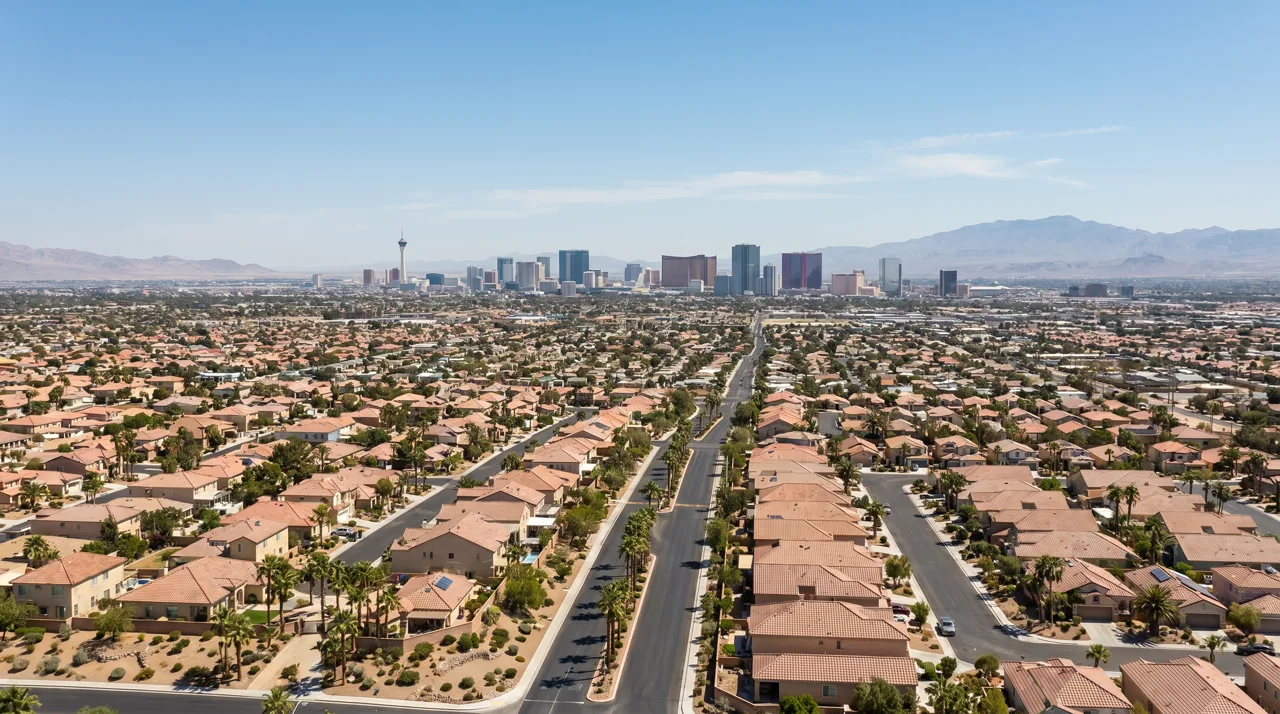
15 Things Builders Won't Tell You About New Construction in Las Vegas


New construction makes up roughly 25% of all Las Vegas home sales right now, and the brochures make it sound easy. Walk into a model home, pick a floor plan, sign some paperwork, move in. The reality has a lot more moving parts, and most of them aren't printed on the price flyer sitting on the kitchen island.
The homes themselves are often great. The process is where buyers get tripped up, because the sales rep at the model home has a different job than you think they do, and the contract you're signing is not a normal real estate contract. If you're researching buying new construction Las Vegas tips, the 15 items below are the ones that actually move the needle on price, payment, and how happy you'll be five years in. None of this is a reason to skip new construction. It's a reason to walk in with your eyes open.
The Money: What's Actually in That "Starting From" Number
1. The Base Price Is Almost Never the Real Price
The number on the sign is the cheapest version of that floor plan, on the cheapest lot, with the most basic finishes. Once you pick the lot, the elevation, the structural options, the design center upgrades, and the appliance package, the price climbs fast. A reasonable rule: budget at least 10% of the base price for upgrades. On a $500,000 home, that's another $50,000 you weren't seeing online.
Quick move-in homes (sometimes called spec or inventory homes) are the exception. Toll Brothers and other builders pre-select finishes on these, so the price you see is closer to the price you'll pay. The trade-off is that you give up most of the customization.
2. The Model Home Is a Marketing Tool, Not a Spec Sheet
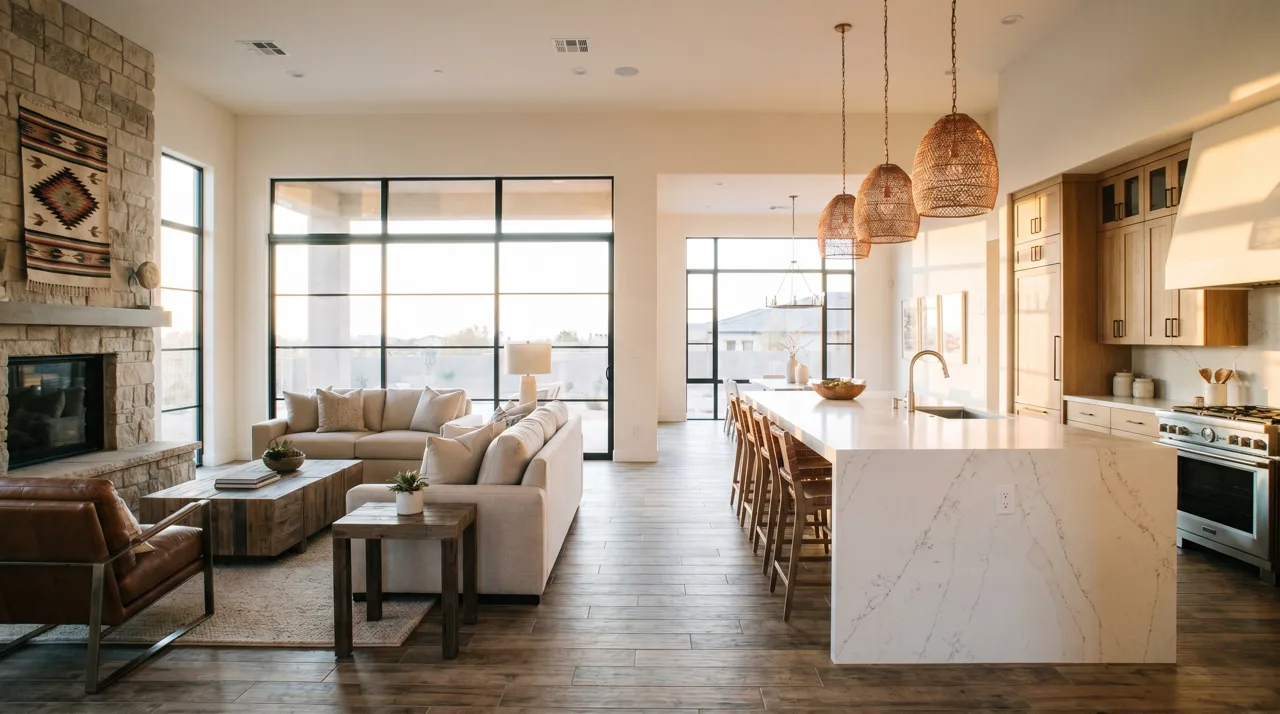
Every model in Las Vegas is loaded. Wood-look tile, quartz waterfall edges, smart-home wiring, designer fixtures, finished garages, professional yards. Almost none of it is in the base build. The model shows what's possible, not what you're getting. If you fall in love with one, ask for the included features sheet and a line-item upgrade list, and compare. The gap is usually eye-opening.

3. Lot Premiums Often Cost More Than Your Kitchen Upgrade
In Las Vegas, the lot can be the single most expensive line item on the contract. Strip view, mountain view, no rear neighbor, corner, cul-de-sac, backing to a trail or park, sitting inside a guard-gated pocket of a larger master plan, all carry premiums that can run from a few thousand to well over $100,000.
Lot quality also holds value better at resale. The trap is that buyers blow their upgrade budget on cosmetic finishes and end up on the worst lot on the street. Cabinets you can swap. The lot is forever.
4. The Builder's "Preferred Lender" Isn't Always the Better Deal
Builders push their in-house lender hard, often offering $10,000 to $50,000 in closing-cost credits, design center money, or rate buydowns if you use them. Sometimes that genuinely is the best option. Other times the rate or fees are quietly higher and the headline credit is partly clawed back through the loan itself.
Get a Loan Estimate from the builder's lender, then a competing Loan Estimate from at least one outside local lender. Compare APR (not just rate), origination fees, and total cost over the years you'll actually keep the loan.
The Tax and Fee Layers Most Buyers Don't Plan For
5. SID and LID Assessments Quietly Add to Your Tax Bill
Many newer Las Vegas communities sit inside a Special Improvement District (SID) or Local Improvement District (LID), a long-term bond that finances streets, sewers, lighting, and parks for the new neighborhood. The assessment shows up on your property tax bill, separately from your regular ad valorem taxes.
Balances commonly range from a few thousand dollars to over $20,000 per home, paid off over 10 to 20 years. Per Summerlin's official SID guide, the remaining balance transfers with the property. Sell before it's paid off and the next owner inherits whatever's left, which can affect your buyer pool.
6. Double HOAs Are the Norm in Master-Planned Communities
Buyers often budget for one HOA. Then they discover their community has a master association plus a village or sub-association, each with its own dues. This is openly disclosed in the FAQs, but only if you go looking.
- Cadence in Henderson states directly that there is a master HOA plus sub-associations.
- Inspirada requires every owner to be a member of the Inspirada Community Association for as long as they own the home, on top of any sub-association.
- The Summerlin West Community Association's 2026 budget lists assessments at $69 per month for that layer alone, which sits on top of any village-level dues.
None of these numbers are huge on their own, but stack two of them with an SID and you're easily $200 to $500 a month over what your Zillow payment estimate showed.
7. Your Property Taxes Will Jump Once the Home Is Finished
When you go under contract during construction, the property tax bill is often based on the land, not the finished home. That makes the early monthly payment look unrealistically low. Once the county assesses the completed structure, the bill resets to reflect the actual home, and your escrow shortage notice from the lender shows up about a year later.
Ask the sales rep for a projected fully-assessed tax estimate based on the completed home, not the current bill on the dirt lot. Any decent lender can also model it for you.

Construction Quality and What Can Actually Go Wrong
8. Brand New Doesn't Mean Defect Free
The desert soil under Las Vegas is harder to build on than people realize. Expansive clay, collapsible soils, and subsidence are real issues, particularly in parts of the northwest valley. Improperly compacted pads have caused problems in homes that are only a few years old.
Two recent local examples: homeowners in a Pulte/Del Webb community at Lake Las Vegas have reported tilting floors and cracking walls about five years after construction, with attorneys alleging improperly compacted soil. In North Las Vegas, residents of Beazer Homes' Colton Ranch development have reported sinking foundations, with engineering reports pointing to expansive soils.
Most new Las Vegas homes don't have soil problems. The point is not to assume "new" equals "perfect." Ask the builder for the soils report on your specific lot before you sign.
9. You Need an Independent Inspection. Maybe Two.
The city or county inspector who signs off on your home is checking for code compliance, not workmanship. They're making sure the wiring is to code, not that the trim is straight or the windows are flashed correctly. That's not the same job as the inspection you'd order on a resale home.
For new construction in Las Vegas, plan on two independent inspections by an inspector you hire:
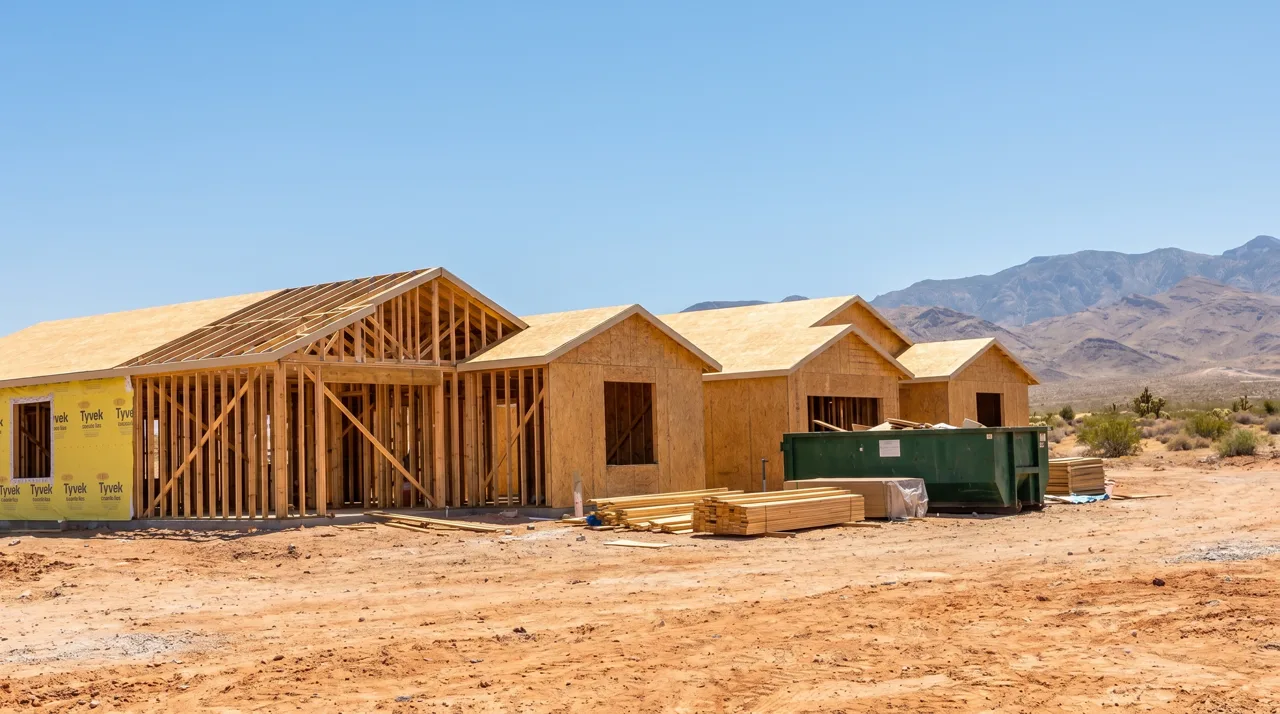
- Pre-drywall inspection. Done after framing, plumbing, electrical, and HVAC are roughed in but before drywall goes up. This is your only chance to see what's behind the walls.
- Final walkthrough inspection. Done before closing, with a punch list the builder agrees to address.
- 11-month warranty inspection. Done in month 11 of your one-year workmanship warranty, so anything found can still be claimed.
Some builders will tell you a pre-drywall inspection isn't necessary because they have their own QC. They'd say that. Pay the $400 to $600 and have your own eyes on the framing.
10. The Builder's Contract Is Written for the Builder
This is not a standard NRED purchase agreement. The builder's contract is drafted by the builder's attorneys and runs 40 to 80 pages of language designed to protect them. Closing contingencies, change-order rights, dispute resolution, mandatory arbitration, and earnest money treatment all skew toward the builder's flexibility, not yours.
Nevada law sets some floors. A construction contract can't waive a homeowner's right to file a mechanics lien, and indemnification clauses are limited. But within those limits, builders write the document the way they want it. Read it. Or have an agent or attorney who's seen 50 of them read it.
11. Your Warranty Sounds Bigger Than It Is
Nevada law (NRS 624.602) requires a licensed builder to provide a written warranty on a new single-family home covering systems, workmanship, materials, plumbing, electrical, mechanical, fixtures, and structural components, unless separate manufacturer or installer warranties apply. The Nevada Home Builders Association notes that most builders cover stucco, doors, trim, drywall, and paint for the first year, while major structural defects can be covered up to 10 years.
That sounds great until you actually file a claim. Warranties have specific time windows, exclusions, and a formal claim process you have to follow before you can take legal action. Recent updates to Nevada's construction defect law (Chapter 40) extended the statute of repose from six years to ten years, which gives homeowners more runway, but it doesn't change how procedural the warranty itself is.
You can read the full statute on the Nevada Legislature site. The short version is that a warranty is real protection, but it isn't a substitute for an inspection and a clean punch list.
What Years One Through Three Actually Look Like
12. You'll Be Living in a Construction Zone for a While
If you buy in the early phases of a master-planned community, the dust, noise, and heavy truck traffic are real. Some buyers love being on the leading edge. Others didn't realize the pool, park, or community center on the marketing map wouldn't be built until phase 4 or 5. Ask for the phasing map and amenity buildout schedule before you sign. If the dog park you're paying HOA dues for opens three years from now, you should know that.

13. Your Yard Soil Is Probably Trashed
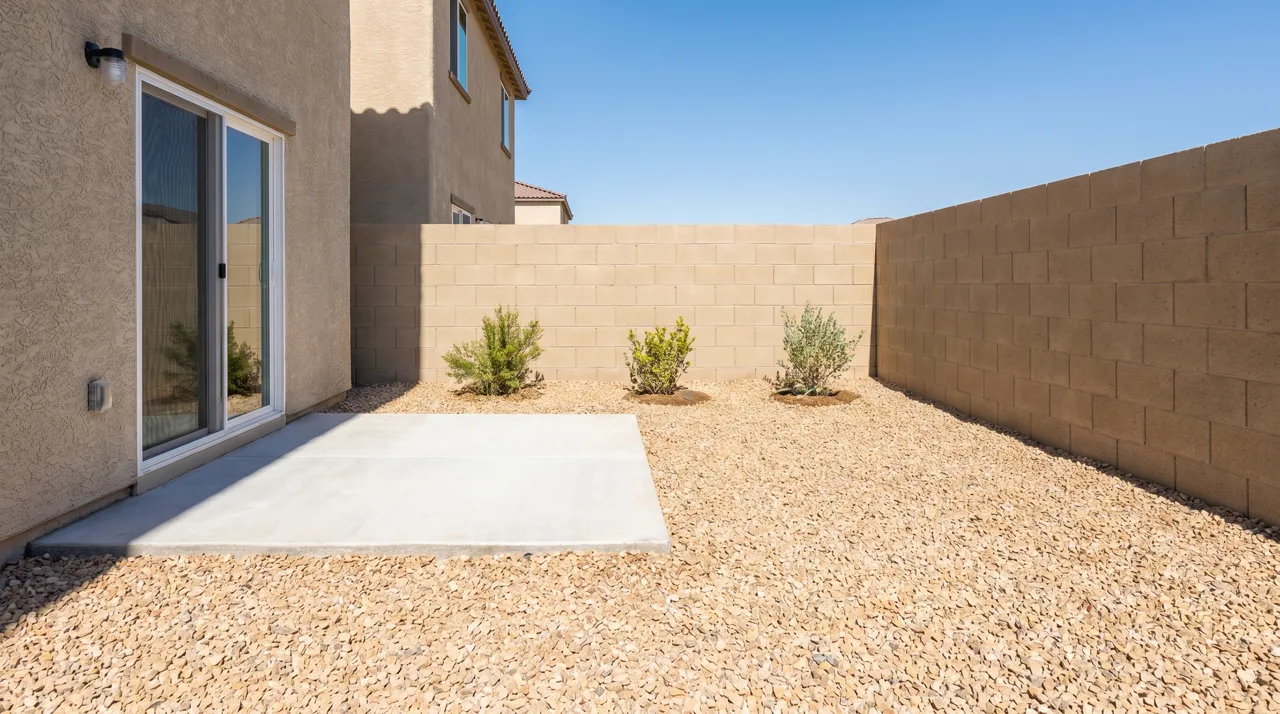
During construction, the topsoil on your lot gets stripped, mixed, and compacted by heavy equipment. By the time the builder hands you the keys, the soil under your future backyard often has poor drainage, low organic content, and a hardpan layer where trucks parked. Local landscapers report this across entire new-construction neighborhoods.
If you're planning real planting beyond the builder's gravel and three shrubs, budget for soil amendment, professional grading, and possibly a drainage assessment. Far cheaper before you install hardscape than after.
14. Vegas Water Bills Punish Overuse, Especially in a New Yard
Las Vegas gets roughly 90% of its water from the Colorado River, and the valley's pricing structure reflects that. According to the Las Vegas Valley Water District, single-family residential customers face an excessive-use charge of $9 per 1,000 gallons above threshold, on top of regular usage and SNWA charges. Cool-season grass, thirsty plants, leaky drip lines, and a backyard pool you fill in July all add up fast.
Newer homes have more efficient plumbing and HVAC, which is a genuine win. But if you build a yard the way someone from Sacramento would, the water bill will find you.
15. The Open Desert Behind You Won't Stay Open Forever
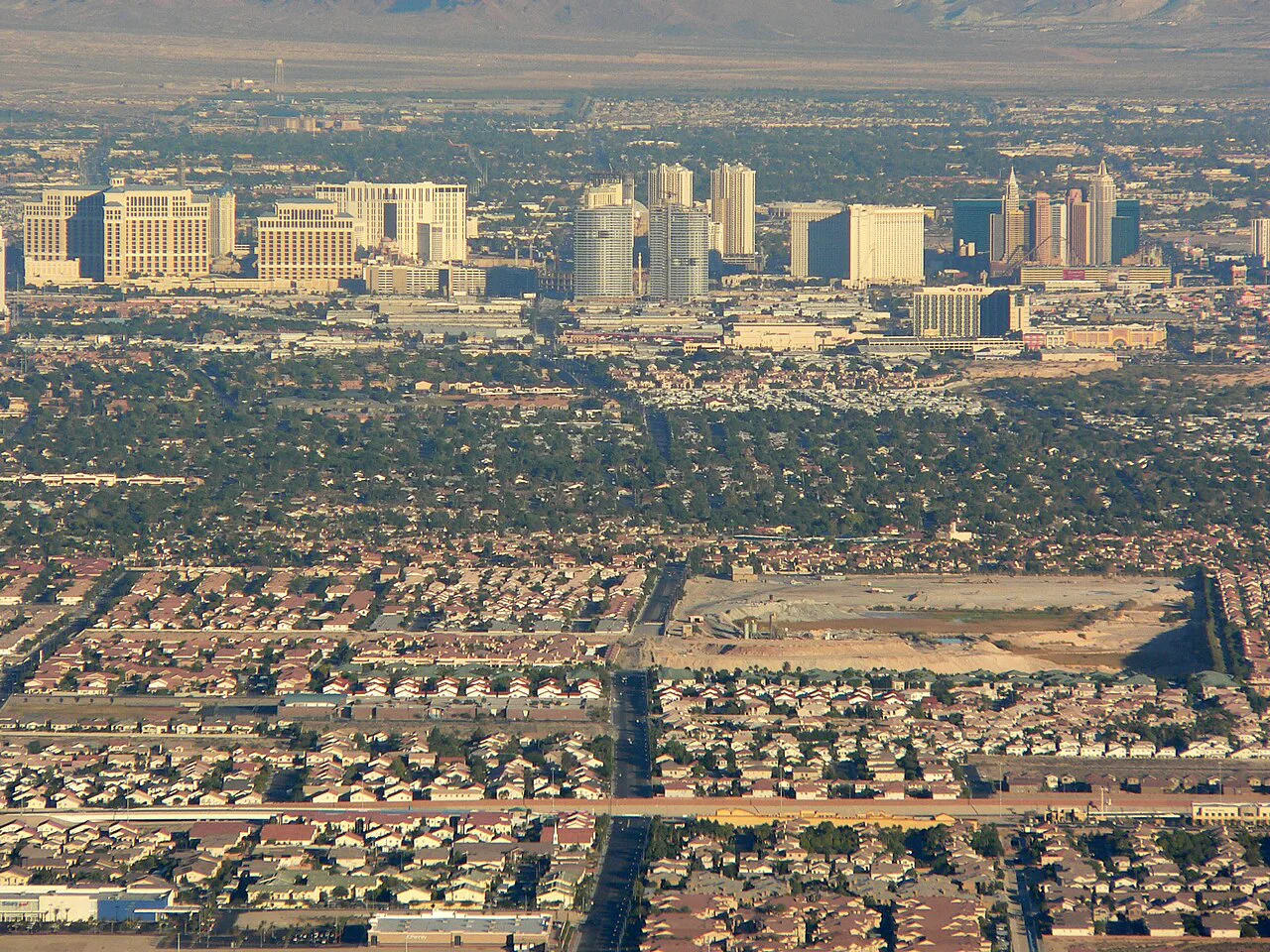
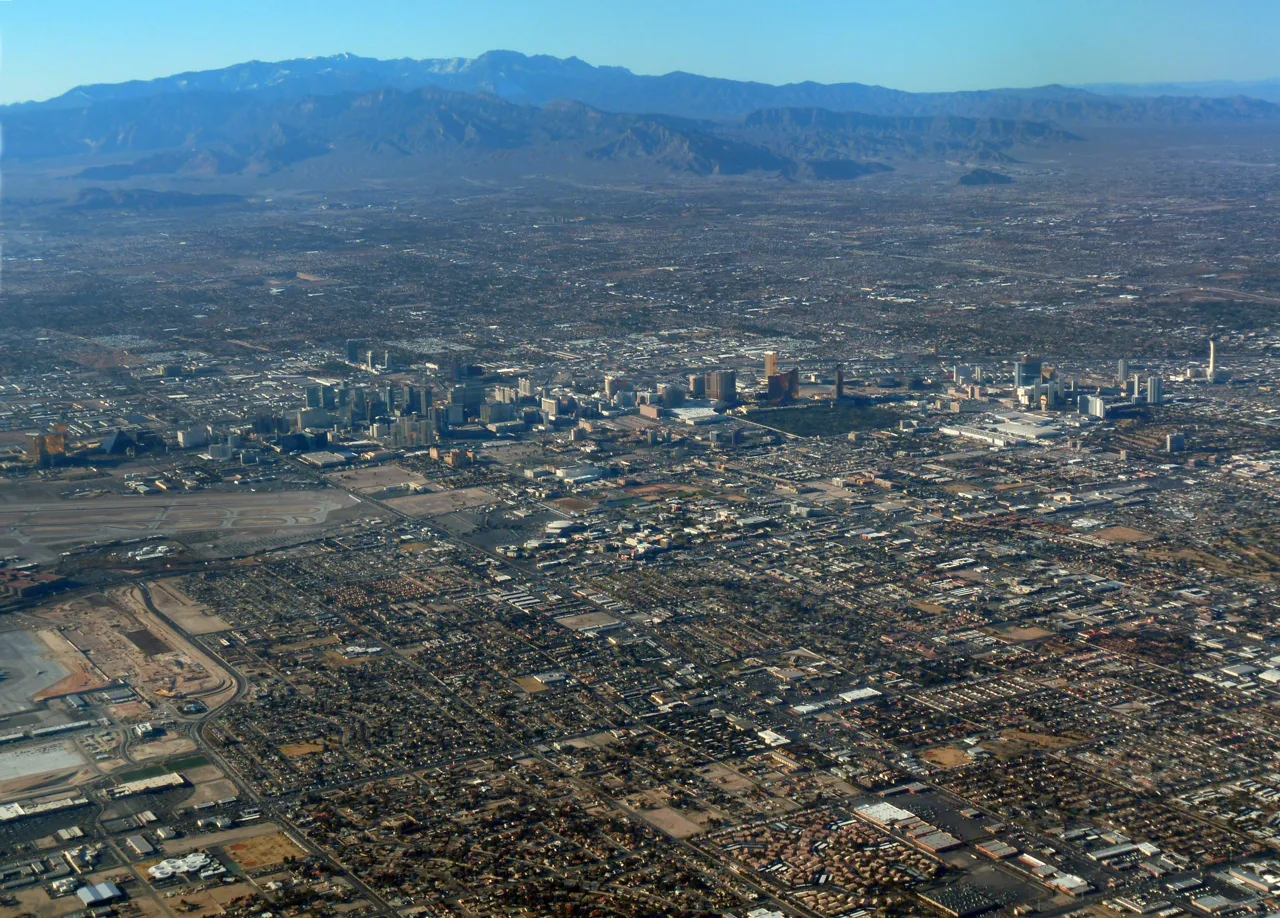
One of the most common heartbreaks in Las Vegas new construction is the buyer who paid a premium for the "view lot" backing to open desert, only to watch a new phase, a commercial pad, or a four-lane arterial go in three years later. Builders aren't required to disclose what's planned for adjacent land, and Clark County actively updates zoning to allow more density.
In October 2025, the Clark County Zoning Commission reclassified parts of Enterprise from "Suburban" to "Compact Neighborhood," shifting some lot minimums from 20,000 square feet to 2,000 square feet. That's a tenfold density increase on land that was effectively rural a year earlier.
Before you fall for the desert view, pull the master plan and zoning map from Clark County or the City of Las Vegas planning department. The 30 minutes you spend there is the cheapest insurance you'll buy.
Side-by-Side: The Big Cost Categories Most Buyers Forget
Here's the way I lay it out for clients before they sign. Base price is what you see. The rest is what buyers don't plan for:
| Category | Typical Range | When It Hits | Notes |
|---|---|---|---|
| Design center upgrades | 8-15% of base price | During design appointment | Structural items first; cosmetic items can wait |
| Lot premium | $5,000-$150,000+ | At contract | View, gate, no rear neighbor, corner |
| SID/LID assessment | $1,500-$25,000 balance | Annually on tax bill | Transfers with the property at resale |
| Master + sub HOA | $60-$300/month combined | Monthly, starting at close | Verify both layers in writing |
| Backyard buildout | $15,000-$120,000 | After closing | Builders rarely include real landscaping |
| Window coverings | $3,000-$15,000 | After closing | Almost never included in base price |
| Independent inspections | $800-$1,500 total | Pre-drywall + final + 11-month | Cheap insurance against expensive problems |
Where the Builders Are Building Right Now
Knowing where activity is concentrated helps you compare apples to apples. The biggest national builders, including Lennar, KB Home, D.R. Horton, Pulte, Toll Brothers, and Tri Pointe, all have multiple Las Vegas communities active in 2026. Pricing and incentives shift by submarket.
Summerlin / NW Valley
$450K-$3M+
Premium master plan with the highest appreciation in 89138 Summerlin West. Toll Brothers, KB Home, and Woodside lead. Layered HOAs are common. Browse Summerlin homes for sale.
Henderson
$380K-$5M+
Cadence and Inspirada drove top master plan sales nationally in 2024 per Home Builders Research. Heavy KB Home, Lennar, and Tri Pointe activity. Browse Henderson homes for sale.
NW + Centennial Hills
$400K-$800K
Skye Canyon, Kyle Canyon Gateway, and Centennial Hills offer newer phases with family-oriented pricing. Strong demand from Nellis and Creech military families. Browse Centennial Hills homes.
Per Las Vegas Review-Journal reporting on Home Builders Research data, Cadence and Summerlin both ranked among the top-selling master plans nationally in 2024, with average prices well into the $500,000s.


How to Actually Win the New-Construction Process
The single biggest thing builders won't tell you is that the sales agent at the model home works for the builder, not for you. Their fiduciary duty is to the builder. They're often friendly and helpful, but they're not your agent. And in Las Vegas, if you don't bring your own buyer's agent on your first visit, many builders won't pay your agent's commission later, which can leave you unrepresented for free.
As a CRS-designated Top 1% Las Vegas agent with 600-plus transactions closed, I tell clients to do these things before sitting down at a builder's desk:
- Bring your own buyer's agent on the first visit. Sign in together. The builder usually pays your agent's fee out of their marketing budget at no cost to you.
- Get pre-approved with at least one outside lender before you talk to the builder's preferred lender, so you have a real comparison.
- Ask for the phasing map, the soils report, the SID/LID disclosure, the HOA budgets for both layers, and the projected fully-assessed property tax. In writing.
- Plan for a pre-drywall inspection, a final walkthrough inspection, and an 11-month warranty inspection. Budget the inspector's fee like you'd budget appraisal.
- Drive the surrounding desert, pull the zoning maps, and look at the master plan for the half-mile around your lot.
Quick FAQ on Las Vegas New Construction
Is new construction in Las Vegas worth it over resale?
New construction comes with builder warranties, modern energy efficiency (Clark County adopted the 2024 IECC for new permits effective January 11, 2026, per the Clark County Building & Fire Prevention office), aggressive rate buydowns, and the chance to pick finishes. Resale typically wins on mature lots, established schools, proven resale data, and a lower price per square foot. New-build $/sqft is around $275 versus $253 on resale.
How long does it take to build a new home in Las Vegas?
Quick move-in homes can close in 30 to 60 days. Build-to-order homes typically run 6 to 12 months from contract, sometimes 18 months. Have a backup housing plan. Timelines are estimates, not guarantees.
Can I negotiate with a builder?
Less on price than you'd hope, more on incentives than you'd expect. Builders protect base price because cutting it affects appraisals community-wide. They will often add design center credits, closing-cost help, rate buydowns, or upgraded packages. Ask. Then ask again.
Las Vegas is one of the country's most active builder markets, with around 14,754 building permits issued in Clark County in 2024 per Census data, and there are genuinely great communities being built right now. The brochure version just leaves out the parts that affect your money most. Walk in informed, bring your own representation, and verify the numbers in writing. Browse current options across the valley on our Las Vegas homes for sale page, or pull a current estimate on your existing home through the home valuation tool.
Categories
Recent Posts