What to Know About Las Vegas Homes with Well Water or Septic


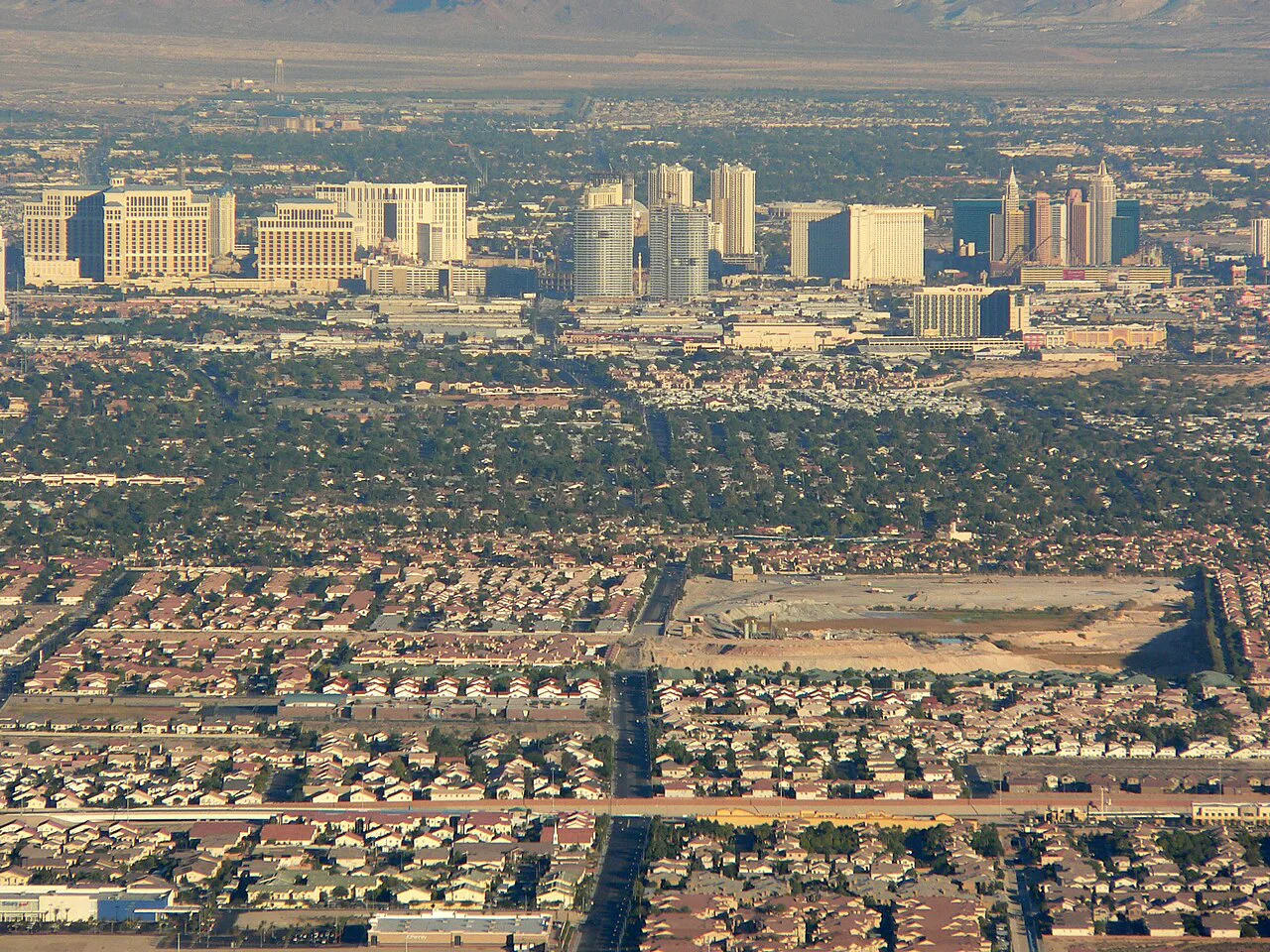
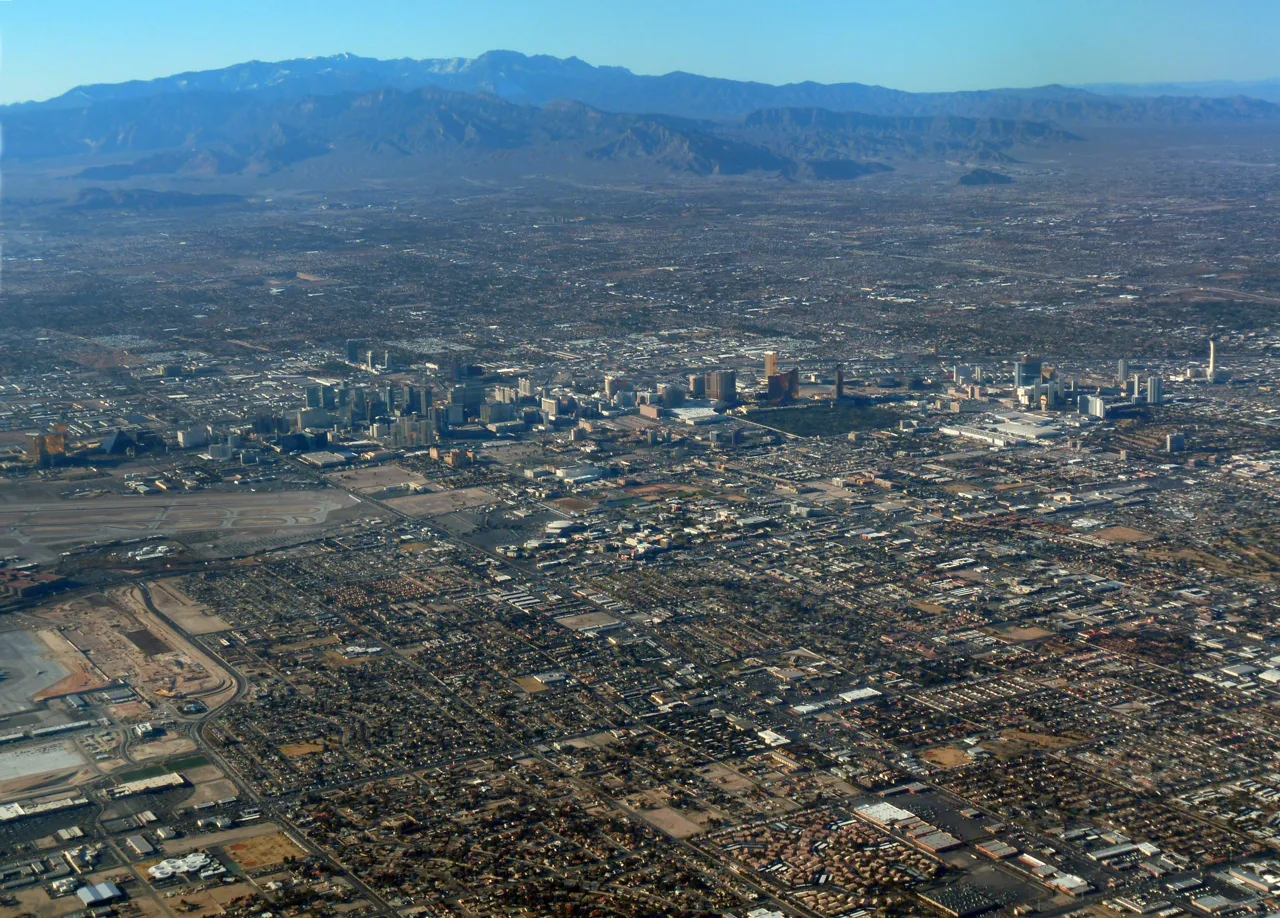
Most Las Vegas homes plug straight into city water and sewer, and the buyer never thinks twice about it. But drive far enough out, into the older horse-zoned pockets of the northwest, the rural estates south of Blue Diamond, or up into Mount Charleston, and you'll find properties that handle water and waste the old-fashioned way. A private well in the front yard. A septic tank in the back. This Las Vegas well and septic homes guide is for anyone seriously thinking about buying one of those properties and wants to know exactly what they're getting into.
Clark County has roughly 28,750 water wells, according to Southern Nevada Water Authority data. Around 14,000 properties in the region run on septic, and about 6,000 of those also pull their drinking water from a private well. That's a meaningful slice of the valley, and it's the slice where you usually find bigger lots, real privacy, and the kind of "land you can actually do something with" that's almost gone from new-construction Las Vegas.
It's also where the rules get more interesting. Nevada law changed sharply in 2023, costs can swing wildly depending on how far you sit from a sewer line, and there are local quirks that can quietly tank your plans for a guest house or a backyard pool. Here's the full picture.
Where You Actually Find Well-and-Septic Homes Around Las Vegas
This isn't really about specific subdivisions. It's about a certain kind of property in certain corners of the valley.
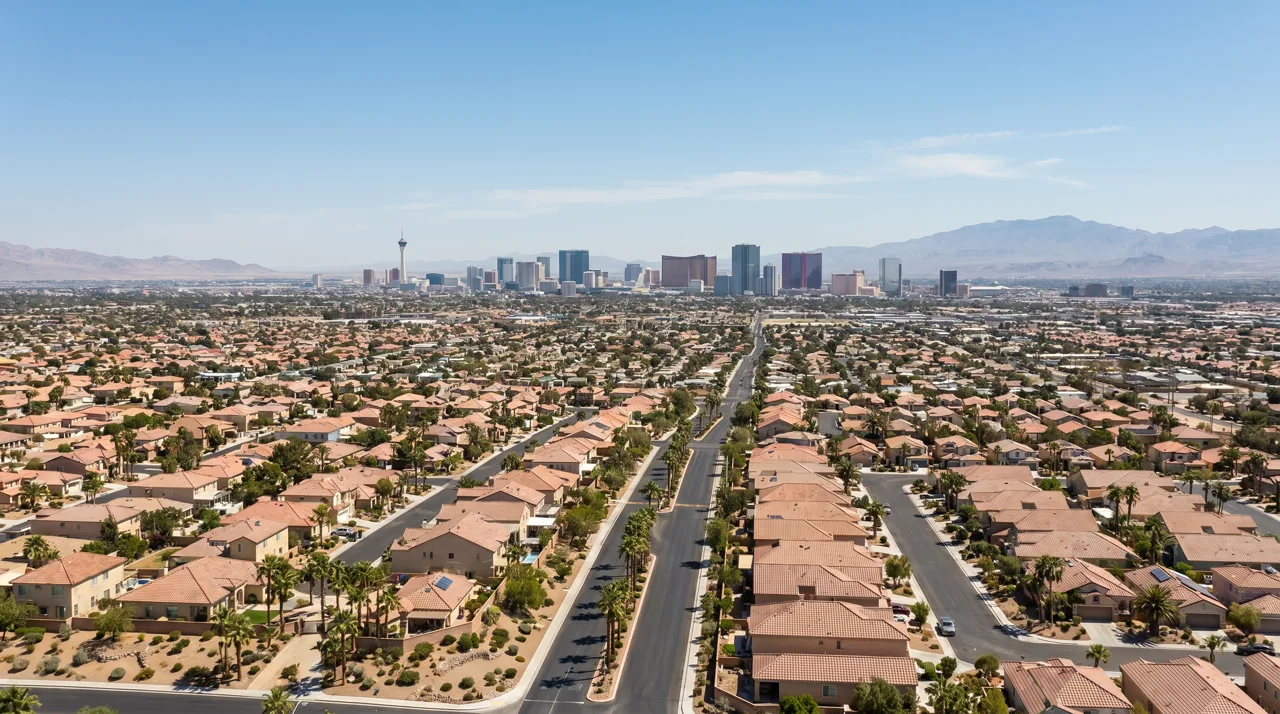
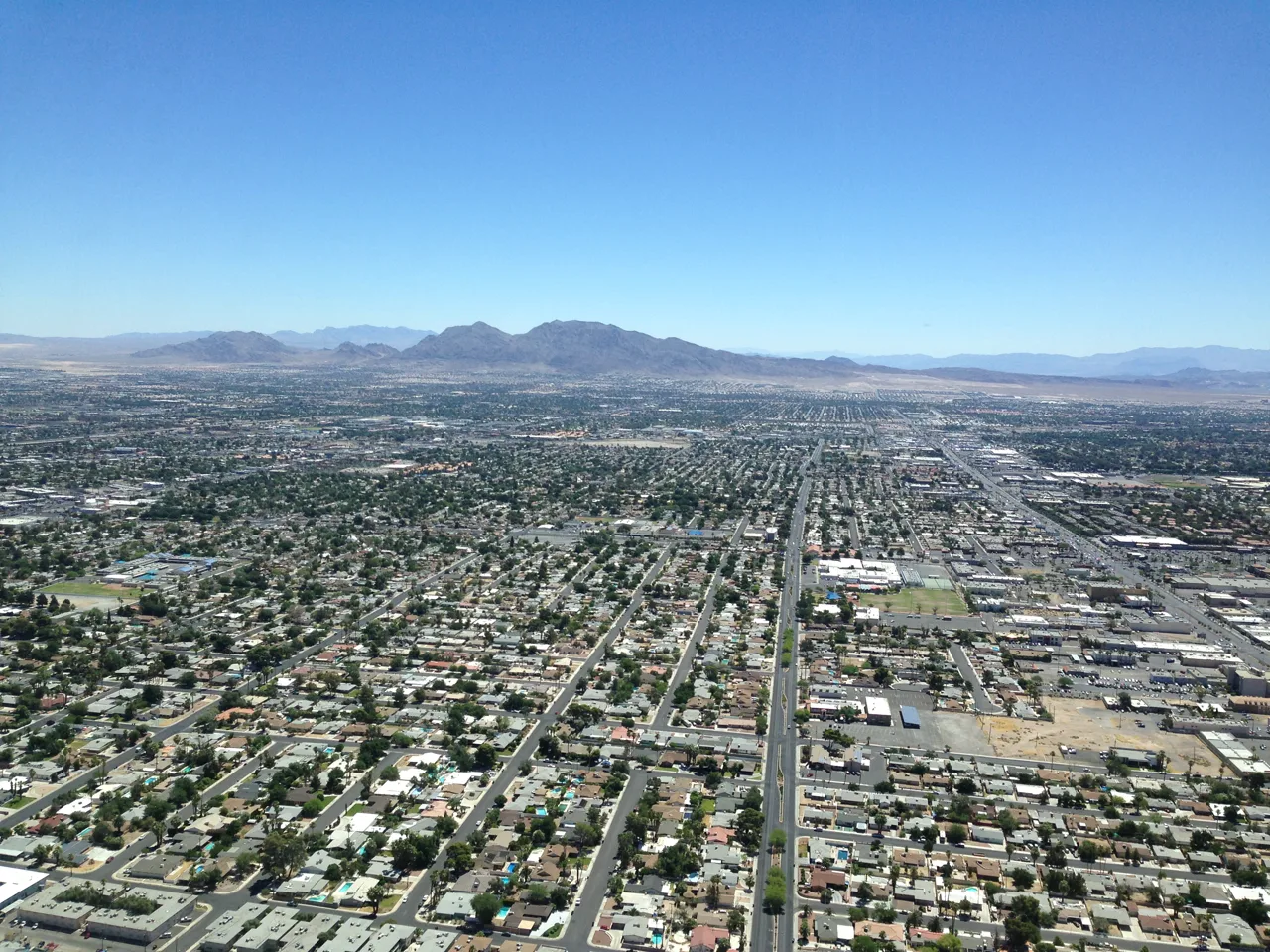
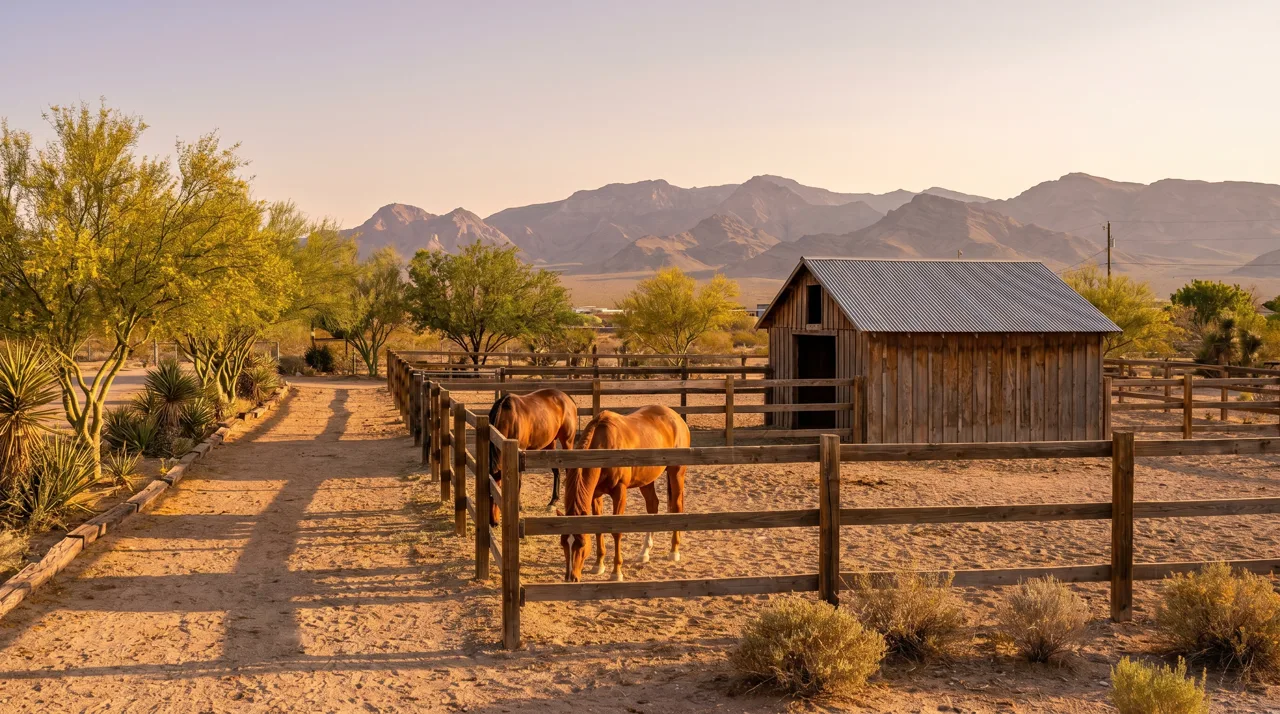
The bigger pockets sit on the edges. Blue Diamond, Lovell Canyon, Mount Charleston, Calico Basin, Cold Creek, Mountain Springs, and Sandy Valley are all far enough from existing infrastructure that homes there have always been on private systems. Closer to town, you'll see them on horse-zoned acreage in northwest Las Vegas (parts of 89130, 89131, and 89149), in the Southwest Rural Estates pockets sprinkled through Enterprise, and on older custom lots tucked into otherwise sewered Henderson neighborhoods like the rural-residential parts of 89015. Centennial Hills is a good example of the pattern. Tract homes on city utilities sit one street away from one-acre horse properties on wells.
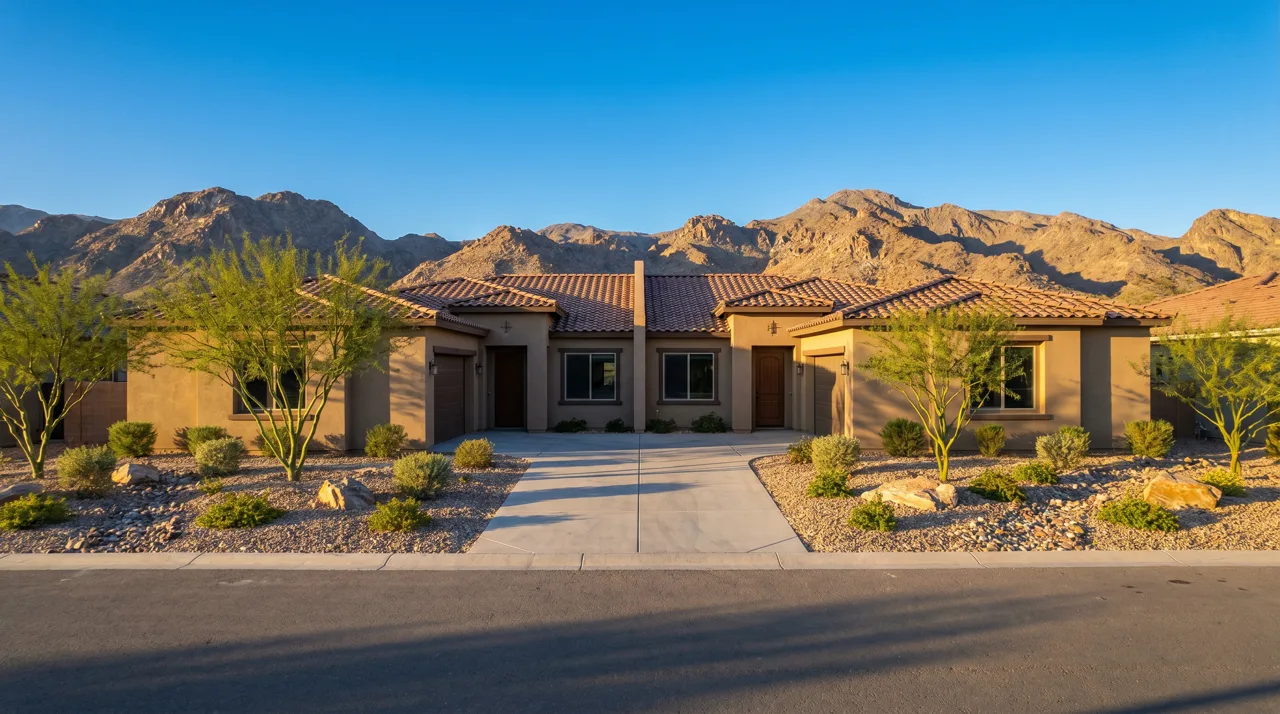
The common thread is land. If a property has more than half an acre, sits a long way from a paved arterial, or shows up in the MLS under "Rural Estates" zoning, there's a real chance the water comes from a well and the waste goes to a tank.

Domestic Well Rules Every Buyer Should Understand
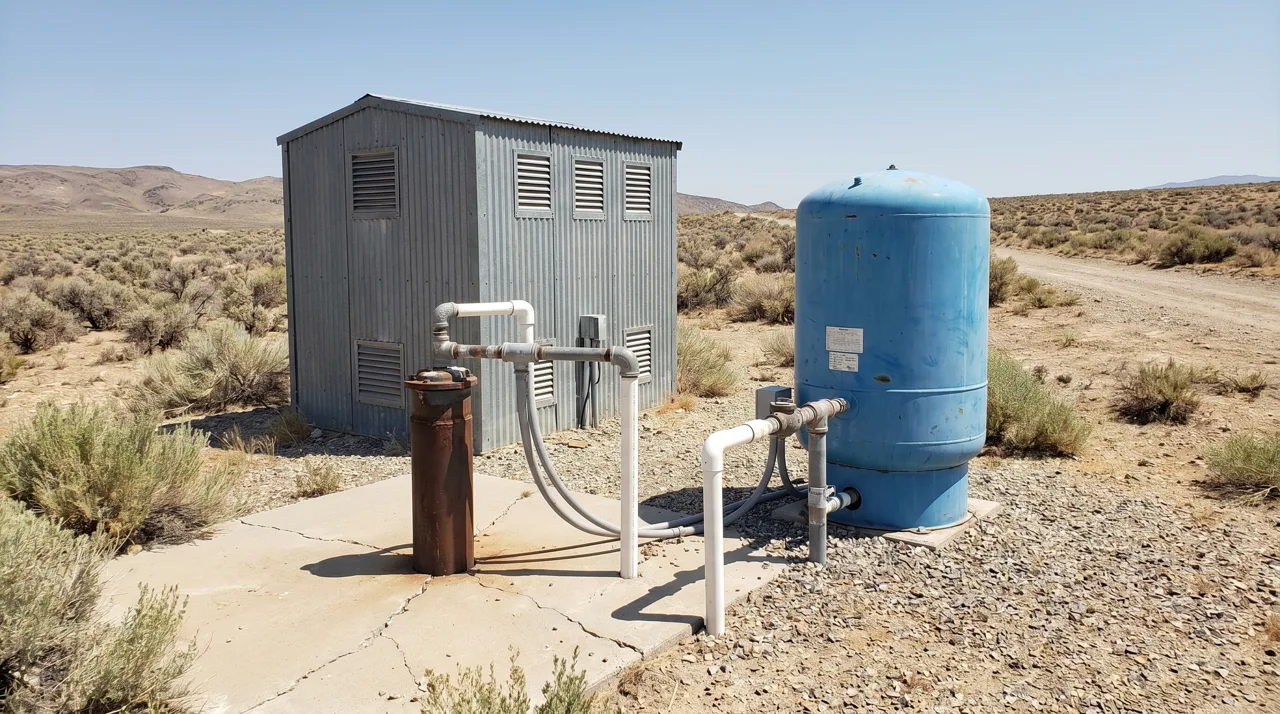
Nevada is unusual in that domestic wells are exempt from the normal water-rights permit process, but exempt doesn't mean unregulated. The rules that do apply are tight, and they shape what you can and can't do with the property after you close.
What "domestic well" actually means
According to the Nevada Division of Water Resources, a domestic well serves a single-family dwelling and is capped at 2 acre-feet of water per year, which works out to around 651,700 gallons. The Las Vegas Valley Groundwater Management Program adds a daily ceiling. Domestic well use shouldn't exceed 1,800 gallons per day.
Two acre-feet sounds like plenty until you start watering acreage and filling a pool. A horse property with mature trees, livestock troughs, and a pool can push hard against the cap, especially in summer.
One well, one home, almost always
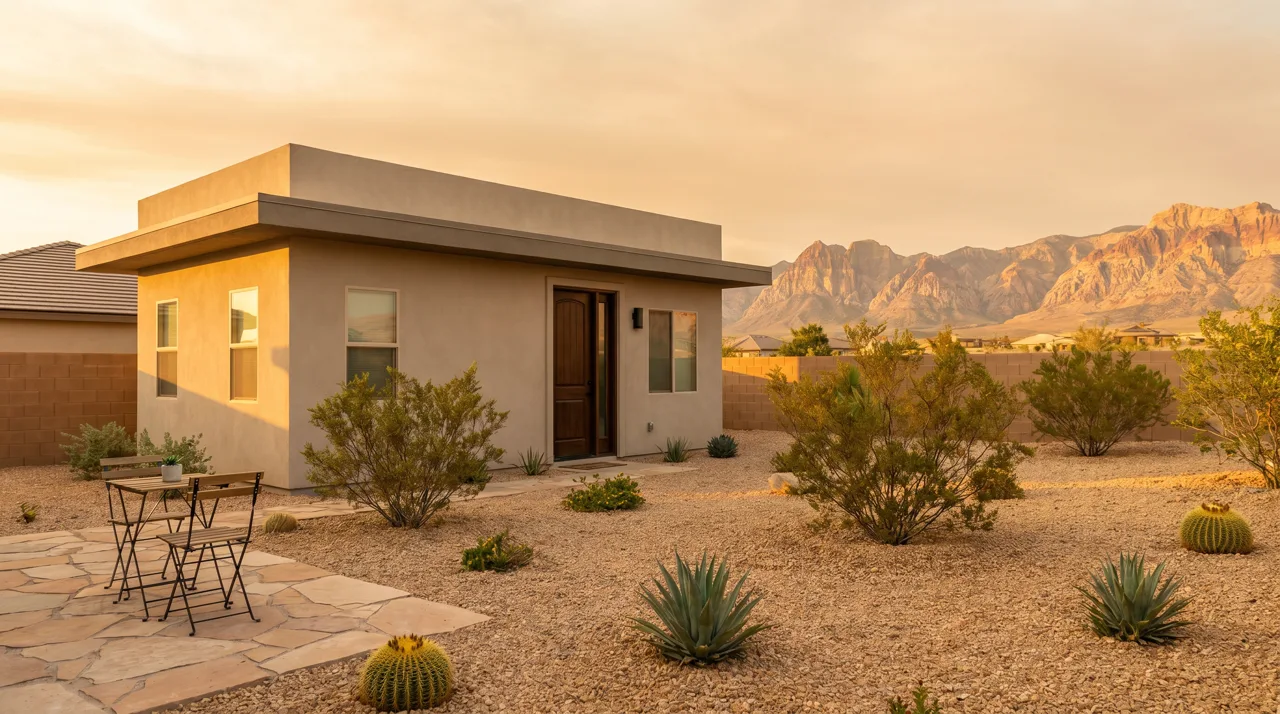
This is the gotcha that catches the most buyers off guard. A domestic well legally serves one dwelling. If the property has a casita with full plumbing, a detached guest house, or a multigenerational layout, the second structure technically needs its own water source. Clark County's building permit guidance is explicit. Secondary habitable structures with plumbing require their own sanitation verification and their own water source.
The annual fee nobody mentions
Domestic well owners pay a $20 annual groundwater management fee to the Las Vegas Valley GMP. It's not much, but it funds the testing programs, conversion grants, and well-plugging services that owners actually use. Worth knowing it exists.

How AB220 Changed the Rules for New Septic
In 2023, the Nevada Legislature passed AB220, and on June 6 of that year the rules around new septic systems in Clark County tightened sharply. Here's what it actually says.
If a parcel uses or will use Colorado River water distributed by SNWA or one of its member agencies, you can't install a new septic system. Period. The only path forward is an SNWA waiver, and the waiver has teeth.
That $20,000 number is the surprise. Buyers who hear "you can still apply for septic" often don't realize the application itself isn't free, and the fee gets layered on top of the actual system installation cost.
The other rule: SNHD's 400-foot threshold
Even where AB220 doesn't apply, the Southern Nevada Health District handles the actual septic permit. SNHD currently issues new residential septic permits only for properties more than 400 feet from the nearest community sewer point of connection. If a sewer line runs within 400 feet of your parcel, expect to be told to connect, not install a new tank.
Together, these two rules mean a vacant lot's buildability depends heavily on three things: what kind of water it's planning to use, how far the nearest sewer line sits, and whether any waivers are realistically available. Two parcels that look identical on a map can have very different paths to a building permit.


Buying a Home with an Existing Septic System
Most buyers in this market aren't installing a new system. They're inheriting one. That's its own set of issues, and the news isn't all bad. It just isn't all good either.
Existing permits aren't permanent
SNHD describes current septic permits as temporary. They're valid until the system fails or until community sewer is installed and connection is legally required. If a sewer line shows up adjacent to your property (in the right-of-way directly next to the parcel) and your tank starts to fail, SNHD won't be able to renew the operating permit. The path forward becomes connecting to sewer, unless the sewer agency confirms it isn't feasible.
The 40-year clock
SNHD says the typical septic system has roughly a 40-year lifespan. A lot of Las Vegas rural homes were built in the 1970s, '80s, and early '90s, which puts a meaningful chunk of the existing inventory in the back half of that window. Many of those tanks were inspected only at the time of installation, which is decades ago. A system can technically still work while being well past its safe service life, and it can also be legally noncompliant under current rules even if water still flushes.
Inspection vs. certification (they aren't the same)
This distinction trips people up. A private septic inspector checks the structural and functional condition of the tank and drain field. An SNHD certification reviews regulatory compliance. Does the system match the permitted plan, is there room to repair or replace it, and is it eligible to keep operating? Lenders frequently require certifications during transactions, and a passing inspection doesn't automatically mean a passing certification.
Plan to budget for both. The inspection tells you whether the system works. The certification tells you whether you can legally keep using it.


The Real Cost of Living with a Well and Septic
Numbers vary widely based on geology, lot conditions, and how far you are from anything. Here's what the public data actually shows.
| Item | Typical Range | Notes |
|---|---|---|
| Drilling a new residential well | $3,750 to $15,300 | Depth, geology, and pump type drive the spread |
| New conventional septic, 3-bedroom | $6,913 to $8,213 | Per ProMatcher Cost Report; varies by soil and tank size |
| Septic tank pumping (1,000 gallons) | $256 to $301 | Frequency depends on household size, often every 3 to 5 years |
| SNWA waiver fee for new septic | $20,000 flat | One-time Resource Recovery Fee, only on AB220-affected parcels |
| Sewer connection on an existing home | $30,000 to $70,000+ | Closer is cheaper; long laterals get expensive fast |
| Annual GMP well fee | $20/year | Pays for testing programs and conversion assistance |
What's not on that table is the soft costs. Homeowners insurance for a well-and-septic property usually runs about the same as an equivalent city-services home (roughly $1,249 a year on a $300,000 dwelling-coverage policy in Las Vegas), but you do need to disclose the private systems to the insurer. Some FHA and VA loans get fussy about the distance between the well and the septic system, the most recent water-quality test, and the condition of well components, so financing can take a little longer.
The Septic-to-Sewer Conversion Program (and Why the Region Cares)
Southern Nevada has a real interest in moving septic homes onto the municipal sewer system, and it's not just about modernization. Wastewater that goes to a treatment plant gets cleaned and returned to Lake Mead, which earns the region "return-flow credits" against its Colorado River allocation. Septic effluent doesn't come back. SNWA estimates roughly 8,000 of its municipal water customers are on septic, and those properties discharge nearly 619 million gallons a year that can't be recaptured.
To accelerate the shift, SNWA runs two conversion programs.
Partially Funded Program
Covers up to 85% of eligible costs, capped at $40,000. Eligible items include permitting, inspection, connection fees, design, construction, the lateral and main pipeline, like-for-like landscape replacement, and abandoning the old septic in place. Landscape upgrades and full septic tank removal aren't covered. Existing properties only. New development doesn't qualify.
Fully Funded Program
Targeted, grant-funded conversions for properties adjacent to existing sewer mains and in groundwater quality concern areas. A $10 million EPA grant announced in October 2024 expanded this pathway. If your property fits the criteria, the conversion can be effectively no-cost to you.
One important detail. Well owners are still eligible for the septic-to-sewer rebate. You don't have to abandon your well to participate. That matters for buyers who want to keep their water source private but get the long-term certainty of municipal sewer service. Full program details are on the SNWA septic conversion page.
The rebate is generous, but it isn't always enough. Local real estate journalism has documented septic-to-sewer estimates of $70,000 for properties where the lateral has to be run a long way to the main. The 85% rebate caps at $40,000, so the homeowner can still owe a meaningful balance on a complicated project.
Water Quality: What Your Lab Test Should Cover
Las Vegas municipal water is famously hard. The Las Vegas Valley Water District puts the hardness at 291 ppm, or 17 grains per gallon, which qualifies as "very hard" by the standard scale. Private well water in the same valley can be just as hard, sometimes harder, and it can carry contaminants that don't show up on the city's treated supply.
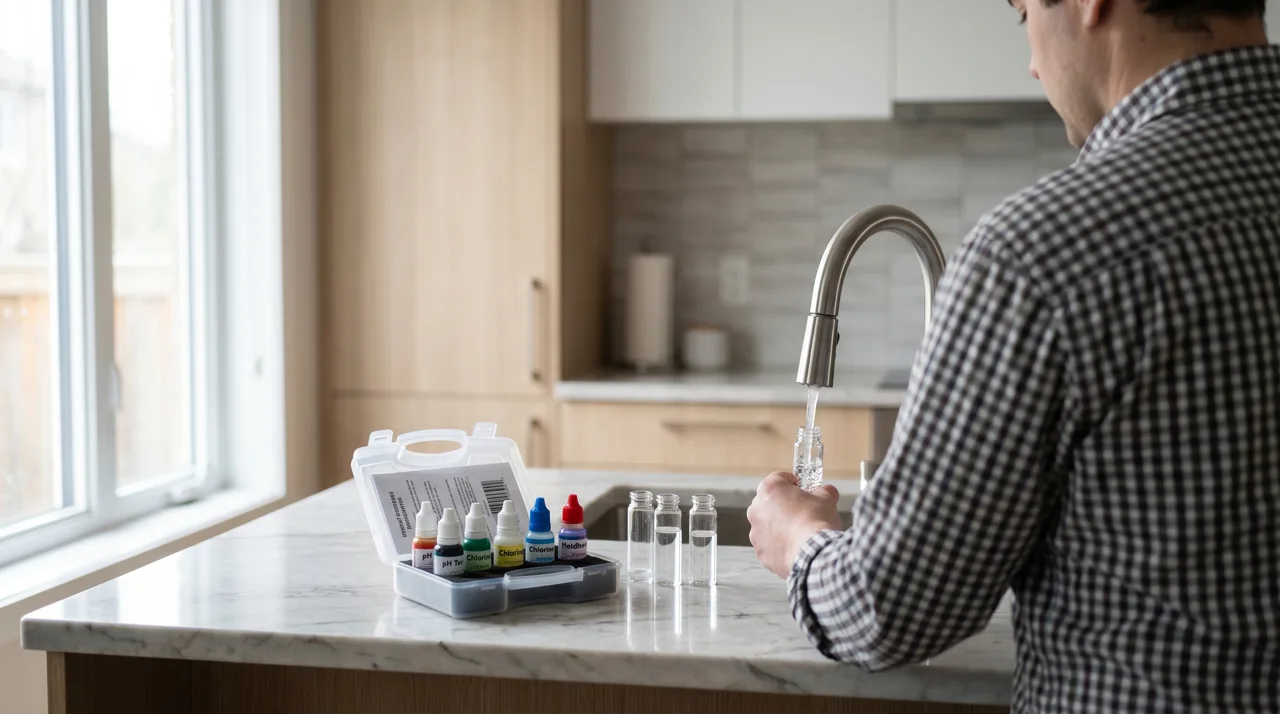
SNHD offers free well-water testing for the major risks. Lead, arsenic, bacteria, and other contaminants. A few things to know about the local geology:
- Arsenic occurs naturally in the bedrock around Las Vegas. It can't be tasted or smelled, and it's one of the most common reasons valley wells need treatment.
- Nitrates can leach in from older agricultural areas or improperly maintained septic systems.
- Hardness is the rule, not the exception. Plan on a softener and possibly a reverse osmosis system for drinking water.
The U.S. Environmental Protection Agency recommends testing private wells annually for coliform bacteria, nitrates, and arsenic, and every two to three years for hardness, iron, copper, sulfate, chloride, alkalinity, and tannins. Buyers should ask sellers for the most recent lab results and run their own test as part of due diligence. A well can taste perfectly fine and still fail for things you can't see or smell.

Local Quirks That Trip Up Buyers
A few rules surprise even experienced Las Vegas buyers when they shop in well-and-septic territory.
You can't drain a pool over your septic system
SNHD prohibits draining pools or spas into or over a septic system. The volume can overload the tank, blow out the drain field, and effectively destroy the system. If you're buying a rural home with both a pool and a septic tank, find out where the pool drains. "Out into the desert" works only if the property is set up for it.
No trees within 10 feet of the system
Roots are the enemy of leach fields. Current SNHD regulations restrict tree planting within 10 feet of septic components. If the previous owner planted a row of mesquites along the side yard, the roots may already be quietly working through the laterals.
Vehicles and paving are off-limits over the field
You can't pave over the drain field or run vehicles across it. That includes RV pads, sport courts, and casual gravel parking. The compaction crushes the perforated pipes, and the field stops working. Verify the location of the system before you plan any backyard project.
Septic records sit in public archives, not the seller's filing cabinet
SNHD keeps septic permits and inspection records in its public records system. If a seller can't produce a permit, the records are usually still findable, though the search and any locating work to physically uncover the tank can add to the certification cost. Don't assume "no paperwork" means "no record."
The 2026 regulatory near-miss
In early 2026, the SNHD Board of Health proposed updates to septic regulations, including a controversial five-year permit renewal fee of $226, before withdrawing the changes following significant public pushback. Existing rules stand for now, but SNHD has signaled that septic oversight will keep evolving. Buyers should expect more rules over the next decade, not fewer.


The Buyer's Due Diligence Checklist
If you're seriously considering a Las Vegas home with a well and/or septic, get the following items in your inspection period. Most of them are simple requests. Skipping any of them is how people end up with surprises.
For the well
- Well driller's report, the original log showing depth, casing, and construction
- Recent water-quality lab results and a fresh independent test
- SNHD courtesy well certification, if your lender requires it
- Pump age, pump type, and any maintenance history
- Confirmation that any guest house or casita is legally served
- Verification of GMP fee status and any prior conversion grant participation
For the septic
- The original septic permit and as-built plan from SNHD's public records
- Date of installation and most recent pumping
- Distance to the nearest community sewer point of connection
- Both a private inspection and an SNHD certification
- Confirmation that the system isn't currently failing or showing signs of failure
- Map of the drain field so you don't pave or plant over it after closing
When a Well-and-Septic Home Is the Right Choice
For some buyers, this whole article reads like a list of warnings. For others, it's a roadmap to the kind of property they actually want. There are real upsides to private utilities in Las Vegas.
You typically get more land. You're not paying monthly water and sewer bills the way a city-utility household is. You have privacy and quiet that's almost extinct in today's master-planned communities. Horse zoning, RV storage, workshops, garden plots, the kinds of things that just don't fit on a 6,000-square-foot tract lot all become real options. And in the rare event of a regional water issue, your supply isn't tied to the same system as everyone else's.
The trade-off is responsibility. Maintenance is on you. Compliance is on you. The 30-year cost of a properly maintained well and septic is real, and so is the upside of independence and acreage. Buyers who go in with eyes open tend to love these homes for decades. Buyers who don't can find themselves staring at a $40,000 sewer connection bill they didn't budget for.
As a CRS and Top 1% Las Vegas agent, I treat rural and well-and-septic properties differently in the inspection period from standard tract homes, because there's just more to verify, and the cost of skipping any single piece of due diligence can be much bigger than the inspection fees. If you're shopping in this category, please make sure your agent has done it before.
The Bottom Line for Las Vegas Buyers
Las Vegas well-and-septic homes are a real, established part of the housing market. They sit on bigger lots, in older rural pockets, in horse-zoned acreage, and in outlying communities like Mount Charleston and Blue Diamond. The ownership experience is different from a tract home on city utilities, but it's not exotic. Thousands of valley households do it every day.
The rules around new septic have tightened since AB220, the conversion incentives have grown, and the regulatory expectations for existing systems are slowly rising. Buyers who understand the 400-foot rule, the 600-foot waiver threshold, the 40-year typical lifespan, and the importance of an SNHD certification (not just a private inspection) will close on these properties without drama. Buyers who skip any of those pieces are the ones who end up with surprise bills.
If you're looking at listings across the valley and the property has a Rural Estates designation, a well log in the disclosures, or a septic note in the MLS remarks, treat that as the start of your diligence rather than the end. The right property for you may absolutely be on a well and septic. Just verify everything first.
Categories
Recent Posts