How to Buy a Home with a VA Loan in Las Vegas


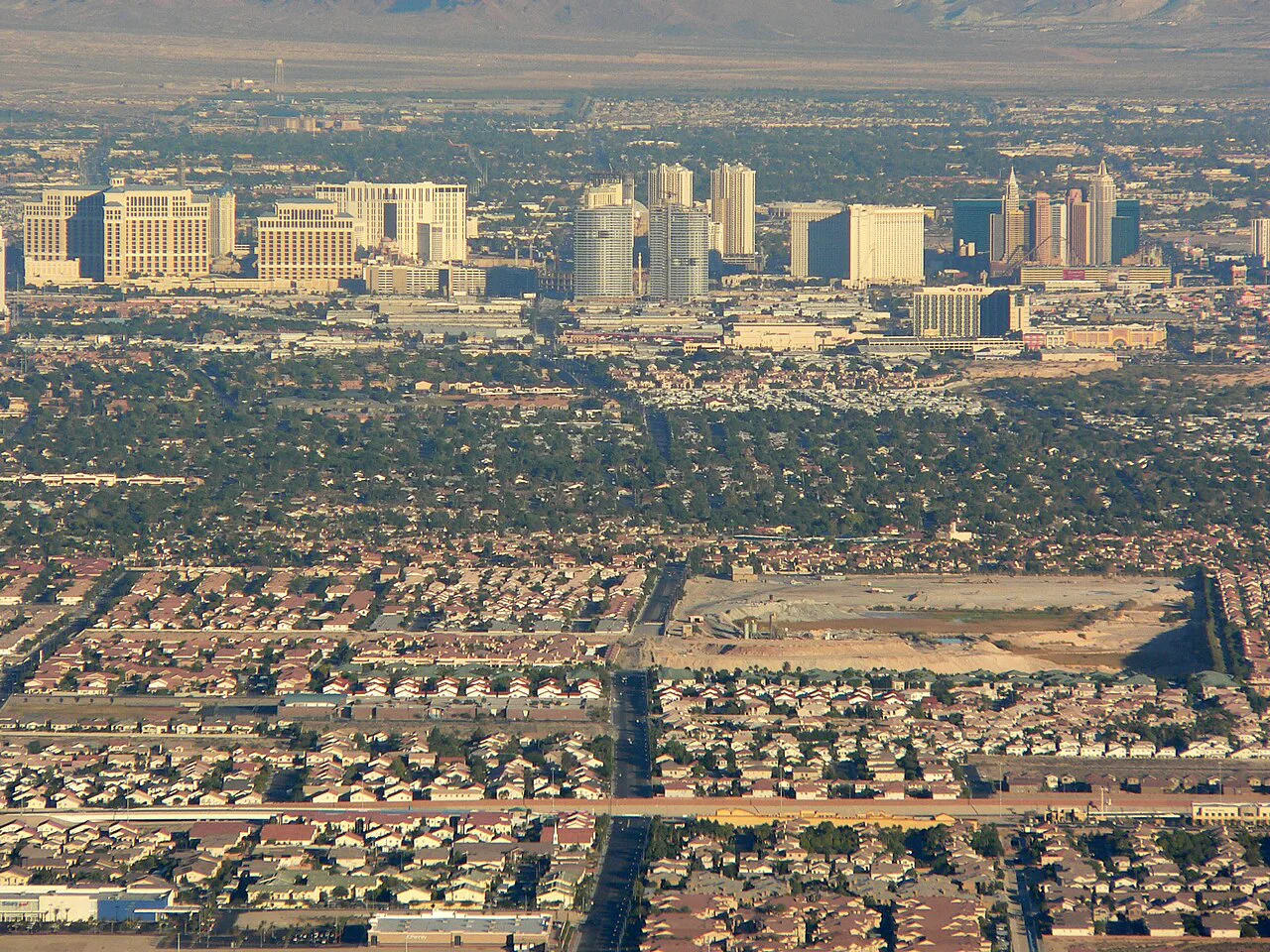
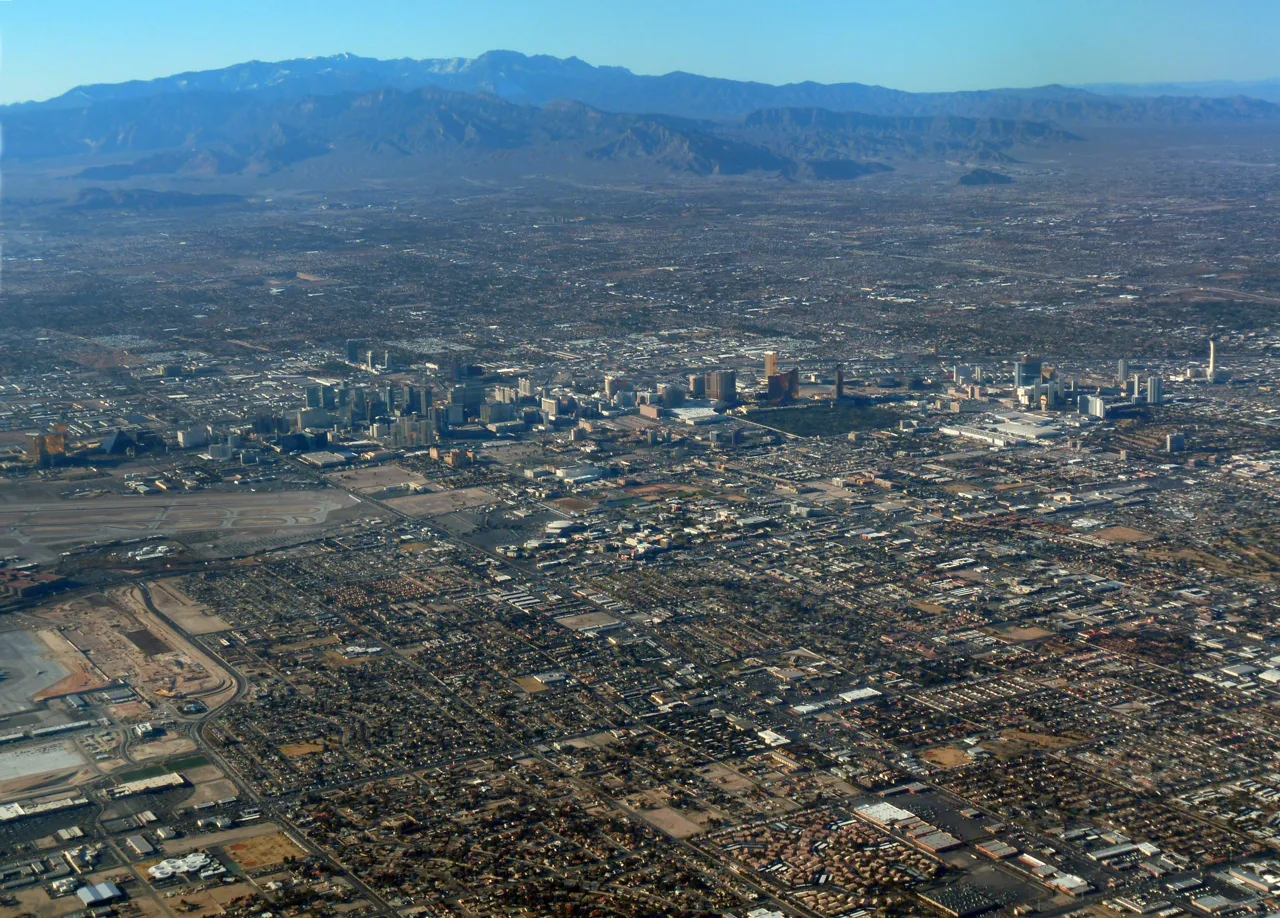
Las Vegas is one of the most VA-friendly housing markets in the country, and most local buyers don't realize how much that works in their favor. Between Nellis, Creech, the Air Force Warfare Center, and the steady stream of veterans relocating from California, Texas, and Washington, this is a market where listing agents see VA offers every day and underwriters know the local quirks cold.
If you're sitting on a Certificate of Eligibility and trying to figure out how to actually use it in Southern Nevada, here's the thing most generic mortgage articles get wrong: the hard part of buying with a VA loan in Vegas almost never has anything to do with VA rules. The hard part is HOA dues, SID assessments, supplemental tax bills, and the way new-construction payments creep up after the design center. None of that is the VA's fault, and all of it is solvable once you know what you're looking at.
This is the field guide I wish more buyers had before their first lender call. Real numbers, current 2026 rules, and the local stuff that actually moves the needle on whether a deal pencils out.
Why Las Vegas Is a Strong Market for VA Buyers Right Now
Southern Nevada has a military footprint that's hard to overstate. According to Nellis Air Force Base, the local military population sits at close to 60,000 once you include family members and military retirees. The U.S. Air Force Warfare Center alone covers roughly 13,000 personnel, and Creech adds about another 4,000 between active duty, guard and reserve, civilians, and contractors. That density is why local lenders, title officers, and listing agents have a real working knowledge of VA financing instead of treating it as some niche product.
It also matters that 2026 has been kinder to buyers than the last few years were. Local market reporting from March 2026 shows inventory rising and prices flattening, with one MLS-based snapshot pegging the area median sales price at $449,000, days on market at 46, and roughly 9,734 active homes for sale. Other Southern Nevada figures put the single-family resale median at $481,995. Either way, supply is back, and that gives VA buyers more leverage on the things that historically slowed VA offers down: appraisal cushion, seller-paid closing costs, rate buydowns, and post-inspection repairs.
VA Loan Basics That Actually Apply in Clark County
The VA loan program isn't a mortgage. It's a guarantee that lets approved private lenders offer terms most other programs can't match. The headline benefits everyone has heard are real: zero down payment for most eligible borrowers, no private mortgage insurance, and competitive rates. The details below are the ones that come up in actual Las Vegas transactions.
| VA Loan Element | What It Means in Las Vegas | Source |
|---|---|---|
| Down Payment | Most eligible borrowers can buy with $0 down. Roughly 90% of VA-backed loans nationally close with no down payment. | VA.gov |
| Loan Limits | If you have full entitlement, there is no county loan limit on a VA-backed mortgage. Lender approval and appraisal still control. | VA.gov |
| 2026 Conforming Reference | The FHFA baseline one-unit conforming limit is $832,750 for 2026. Useful as a yardstick if you have partial entitlement. | FHFA |
| Credit Score | VA does not set a minimum. Lenders do, and overlays vary widely. Shop at least three lenders. | VA.gov |
| Occupancy | VA loans are for primary residence only. You generally must occupy within 60 days of closing. PCS exceptions exist. | VA.gov |
| Funding Fee | One-time fee, usually rolled into the loan. Many borrowers receiving VA disability compensation are exempt. | VA.gov |
| Appraisal Cap | Maximum loan is the lower of appraised value or purchase price. If the appraisal comes in low, the gap is yours to handle. | VA.gov |
The funding fee is a moving target worth checking before you make an offer. The VA's funding fee page was updated in early 2026 and explains both the current schedule and the exemption rules. If you're receiving VA compensation for a service-connected disability, ask your lender to verify your exempt status before they quote you a payment, because the difference can be thousands of dollars on a Las Vegas-priced home.
The Local Buying Process, Step by Step
Las Vegas runs on a fairly tight contract calendar. Standard practice is a 10 to 14 day inspection period, a 21 to 25 day appraisal period, and a total escrow of 30 to 45 days. Earnest money typically sits at 1 to 3 percent of price. None of that changes because you're using a VA loan, but a few of the steps have a Vegas-specific wrinkle.
- Pull your Certificate of Eligibility. Most local lenders pull it for you in minutes through the VA's online portal. You don't need to have it in hand to start touring, but you do need it before you make an offer.
- Get pre-approved with at least two lenders. Because VA itself doesn't set a minimum credit score, lender overlays are where the real differences show up. One lender's "we can't do this" is another lender's "no problem."
- Budget the full payment, not the loan. Vegas buyers chronically underestimate HOA, sub-association dues, SID/LID assessments, taxes, and homeowners insurance. The "0 down" headline is meaningless if the all-in payment doesn't qualify.
- Pick the area before the house. Commute geography in this valley is unforgiving once you're outside your home submarket. If you'll be heading to Nellis or Creech, drive the route at the actual time of day before you commit.
- Write a tight offer. In a softer 2026 market, you can usually negotiate seller-paid closing costs and a rate buydown without scaring the seller off. Don't leave that money on the table.
- Order your own inspection. The VA appraisal is not an inspection. The appraiser is checking value and minimum property requirements, not telling you whether the AC has six months left.
- Read the HOA resale package the day it arrives. Under NRS 116, you have a five-day right to cancel after receiving it. That window is shorter than people think.
- Keep moving on underwriting. HOA documents, condo project approval, insurance binders, and DTI ratios all hit at the same time. Respond to lender requests within 24 hours.


How Much House You Can Actually Buy
Local lender rate sheets in early 2026 have VA 30-year fixed pricing in the mid-5 percent range, often a bit below comparable conventional pricing. With full entitlement and no county loan limit, the practical ceiling is whatever the lender will approve based on income, debts, taxes, insurance, and HOA. That ceiling is usually higher than borrowers expect.
Here's the part most buyers miss: the 2026 baseline conforming loan limit of $832,750 sits well above the local resale median in any of the recent reports. For VA borrowers with full entitlement, the county loan-limit math people worry about online almost never applies in Las Vegas unless you're stretching for The Ridges, Lake Las Vegas, or MacDonald Highlands. Most of the valley is comfortably inside the no-limit zone.
Where VA Buyers Actually Look in the Valley
The right area depends entirely on what you're trying to do for a living and how often you need to be at the gate. There's no single best Las Vegas neighborhood for a VA buyer, but there are a handful of patterns I see repeat in real transactions.
North Las Vegas, Aliante, Tule Springs
The shortest realistic commute to Nellis, and historically better value per square foot than Summerlin or Henderson. Newer master plans here can carry meaningful HOA dues, so check the total monthly obligation, not just the price tag. Worth a hard look at Club Aliante and the broader North Las Vegas inventory if Nellis is the daily destination.
Centennial Hills and Skye Canyon
Newer northwest stock with strong appeal for military families. Skye Canyon in particular sees a lot of demand from Creech and Nellis personnel because the housing is recent, the trails are walkable, and the master plan is built out enough to feel like a real neighborhood. Commute is longer than Aliante but the home you get for the money is usually bigger and newer. See Centennial Hills listings for current options.
Henderson
Strong school zones, mature master plans, and resale stability that veterans relocating from out of state tend to gravitate toward. Higher price points and HOA layers can offset the no-down-payment advantage if you're not careful, but the trade is more home stability and slower depreciation on resale. Browse the full Henderson market guide for area submarkets.
Summerlin and Summerlin West
Lifestyle, amenities, and one of the most recognizable brands in Southern Nevada real estate. The trade is price and HOA. ZIP 89138 in Summerlin West is currently the highest appreciating Summerlin ZIP, with new phases by Toll Brothers continuing to push values. Worth it if your career and commute aren't tied to the north end of the valley. Start with Summerlin listings to gauge fit.
Southwest, Enterprise, Mountains Edge
Heavy with relocation buyers from California and growing fast on the back of the UnCommons mixed-use development and the proposed Hollywood 2.0 / Summerlin Studios project. Easy access to I-15 and the 215, but the commute to Nellis or Creech from this corner of the valley is rough. Better fit for veterans whose work is on or near the Strip.


The Hidden Costs VA Buyers Underestimate in Vegas
The single biggest mistake I watch VA buyers make in this market isn't a down payment problem. It's a payment-creep problem. Here's what shows up on the closing disclosure that nobody warned them about.
HOA dues, sub-associations, and master-plan fees
Many Las Vegas master plans have a layered HOA structure. You pay the master association, you pay the village or sub-association, and sometimes you pay a third assessment for guard-gated access or a private amenity. The combined total can run several hundred dollars a month and gets dropped straight into your debt-to-income calculation.
SID and LID assessments
Special and Local Improvement Districts are how Clark County funds infrastructure for new master plans. The bond gets repaid by individual homeowners over time, and the assessment is attached to the title. Communities like Summerlin, Skye Canyon, and Cadence are common SID territory. The Clark County Treasurer's portal lists active assessments, and the title company will pull a payoff at escrow. Don't skip this conversation with your lender, because it absolutely affects qualifying.
Supplemental property tax bills
Nevada reassesses property at change of ownership, but the new value isn't reflected in the lien-date assessment that lenders use to size your impound account. The county sends a one-time supplemental bill directly to the new owner, often months after closing, for the gap between the old and new assessments. Many lenders don't escrow it. Set the money aside.
The Clark County tax cap nobody mentions
This one's actually good news. Clark County's primary residence tax cap limits annual property tax bill increases to 3 percent for owner-occupied homes, compared with 8 percent for other property categories. The cap follows the property as long as it's owner-occupied, which is one of the more underrated long-term homeowner benefits in Nevada. If you bought the property and didn't claim primary-residence status with the assessor, fix it. It compounds over the years you live there.
The VA Appraisal vs. the Inspection (and Why Both Matter Here)
The VA appraisal does two things at once: it sets the value cap on the loan, and it checks for a list of minimum property requirements (MPRs). Common MPR issues in Las Vegas include broken HVAC systems, exposed electrical, roof issues, and active termite activity. Las Vegas does have subterranean termites despite the desert climate, and a Wood-Destroying Organism inspection is often required for VA financing.
The appraisal is not a substitute for a real inspection. The desert climate is rough on homes, and there's a specific list of things you want eyes on:
- HVAC delta-T test on cooling, not just "it turns on." A 10 to 15 year HVAC life span is closer to the local average than the national one.
- Roof condition, including underlayment if it's a flat roof. UV exposure ages roofing materials faster here than almost anywhere in the country.
- Pool and spa equipment, plaster condition, and any sign of leaks. Repairs add up fast.
- Stucco for stair-step cracks, which can indicate foundation movement, versus hairline cracks, which are usually cosmetic.
- Drainage and grading. Caliche soil is essentially natural concrete and creates negative-grading risk if water pools against the foundation.
- Sewer scope on any home over about 20 years old, since cast iron and clay pipes are common in older parts of the valley.
None of this is exotic, but it's the difference between catching a $400 problem early and a $14,000 problem after closing.


Nevada Veteran Tax Benefits and Down Payment Assistance
Nevada has its own programs that can stack on top of a VA loan, depending on how the lender and program administrator structure the deal.
| Program | Who Qualifies | What You Get |
|---|---|---|
| Home Is Possible for Heroes | Veterans, active duty, National Guard, surviving spouses | Up to 5% of loan value in down payment / closing cost assistance, below-market interest rate |
| Nevada Veterans Property Tax Exemption | Veterans meeting service requirements (claimed through Clark County Assessor) | Annual exemption applied to assessed value of primary residence |
| Nevada Disabled Veteran Exemption | Disabled veterans with qualifying service-connected rating | Substantially larger annual property tax exemption, scaled by disability percentage |
| VA Funding Fee Exemption | Many borrowers receiving VA compensation for service-connected disability | Funding fee waived entirely, often saving $5,000 to $15,000+ |
Two practical notes. First, the Nevada veteran property-tax exemption is claimed through the Clark County Assessor's office, not your lender, and it's not automatic. Second, Home Is Possible for Heroes compatibility with a VA loan depends on the specific lender and the current program rules, so confirm before you assume.
Common VA Buyer Mistakes I See in This Market
After a decade of writing offers in Southern Nevada, the same mistakes show up again and again. They're avoidable.
- Going with the first lender who pre-approved you. Lender overlays vary wildly. A second opinion can be the difference between qualifying for the home you want and not.
- Underestimating HOA-plus-SID totals. Run the all-in monthly number, including taxes and insurance, before falling in love with anything.
- Skipping the inspection because the VA appraisal "covers it." It does not. Pay the $400.
- Treating new construction as easier. Builders run great VA buydowns, but lot premiums, design center upgrades, and supplemental tax surprises can erase that benefit fast.
- Picking the neighborhood by reputation instead of by commute. "Las Vegas" and "North Las Vegas" and "Henderson" are not the same drive at 7 a.m.
- Forgetting to claim the primary-residence tax cap. The 3 percent annual cap is real money over a decade of ownership.
- Using the wrong school assumption. Verify CCSD school zoning by exact address, not by subdivision marketing or ZIP code.
As a CRS, Military Relocation Professional, and a Top 1 percent Las Vegas agent, I work with veteran and active-duty buyers every month, and the patterns above account for most of the headaches I see. None of them are deal breakers if you catch them early.


Frequently Asked Questions
Is there a VA loan limit in Las Vegas?
If you have full VA entitlement, no county loan limit applies for guaranty purposes. Lender approval and the home's appraised value are the practical ceilings. If your entitlement is partially used (because you have an active VA loan elsewhere), the remaining entitlement is tied to the county conforming loan limit, which for a one-unit home in 2026 is $832,750 at the FHFA baseline.
Can I really buy with zero down in Vegas?
Yes. Most eligible borrowers can use VA financing with no down payment, and roughly 90 percent of VA-backed loans nationally close that way. You'll still need cash for earnest money, the inspection, prepaids like the first year of insurance, and any closing costs the seller doesn't cover.
Does VA require a home inspection?
The VA recommends a home inspection. The VA appraisal is not the same thing. The appraisal protects the lender's collateral position and confirms minimum property requirements. The inspection protects you. Get both.
Can I use a VA loan for an investment property?
Not as a straight investment property. VA loans are for primary residences. There are some allowances for multi-unit properties where you live in one unit, and PCS exceptions exist for active-duty borrowers, but the core rule is owner-occupancy.
How much should I expect to pay in closing costs?
Buyer closing costs in Clark County typically run 2 to 5 percent of the purchase price, including loan origination, appraisal, lender title insurance, recording fees, escrow fees, and prepaids. In a 2026 buyer's market, sellers will often agree to cover a meaningful portion as a concession. Always ask.
What credit score do I really need?
The VA does not set a minimum, but lenders typically want at least 580 to 620 for VA financing. Higher scores get better pricing. If you're sitting in the high 500s, the right local VA-experienced lender can often still get you to the closing table where a big bank's algorithm would have rejected you.
Are veterans really getting deals on Las Vegas homes right now?
Yes, more than they were 24 months ago. With inventory above 9,000 active listings in some recent reports, days on market in the 40s and 50s, and roughly 63 percent of sales closing below initial asking price valley-wide, sellers are responsive to clean offers. VA buyers who write competitive terms (and don't ask for the moon) are competing just fine.
Where do I check current rates and run real numbers?
Plug your scenario into our mortgage calculator with HOA and tax estimates. For an idea of what you'd net or owe at sale, the free home valuation tool is a reasonable first read. For a real number on a specific home, you'll need a lender-issued payment quote and a CMA.
The Bottom Line
A VA loan is one of the strongest financing tools any buyer can bring to a Las Vegas closing table. The benefits are real: zero down, no PMI, competitive rates, and a softer market that's finally rewarding patient, well-prepared offers. The risks aren't VA risks. They're Vegas risks, the kind that show up in HOA layers, SID assessments, supplemental tax bills, and the climate-driven inspection items that out-of-state buyers don't always think to look for.
Plan the full payment, not just the loan. Pick the area before the house. Inspect properly, claim what you're entitled to with the assessor's office, and work with people who close VA deals every month, not every other year. Done that way, the VA loan does exactly what it was designed to do, which is get you into a home you actually own with as little out-of-pocket as the rules allow.
Categories
Recent Posts