Cost of Living: Las Vegas vs. Los Angeles


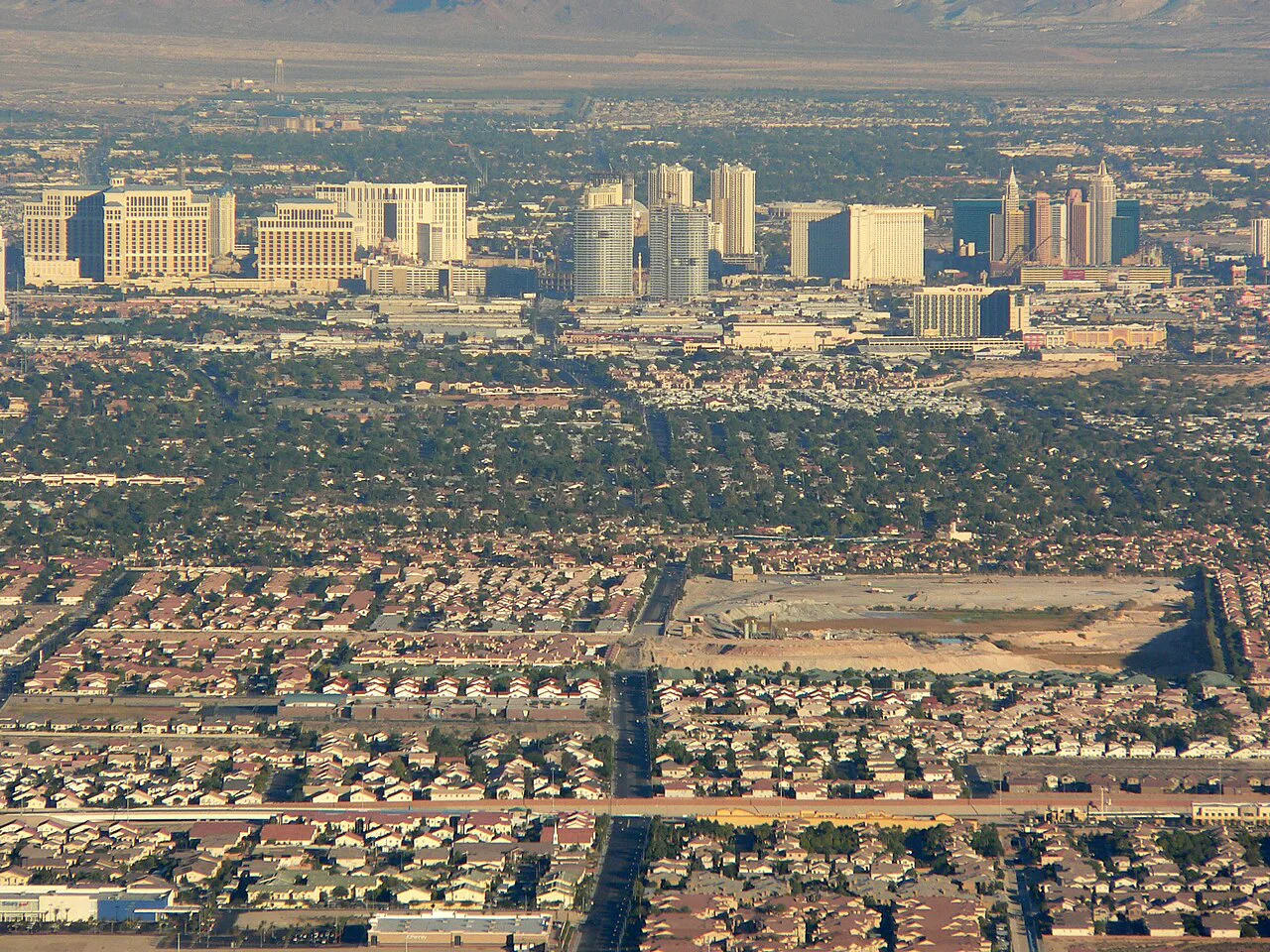
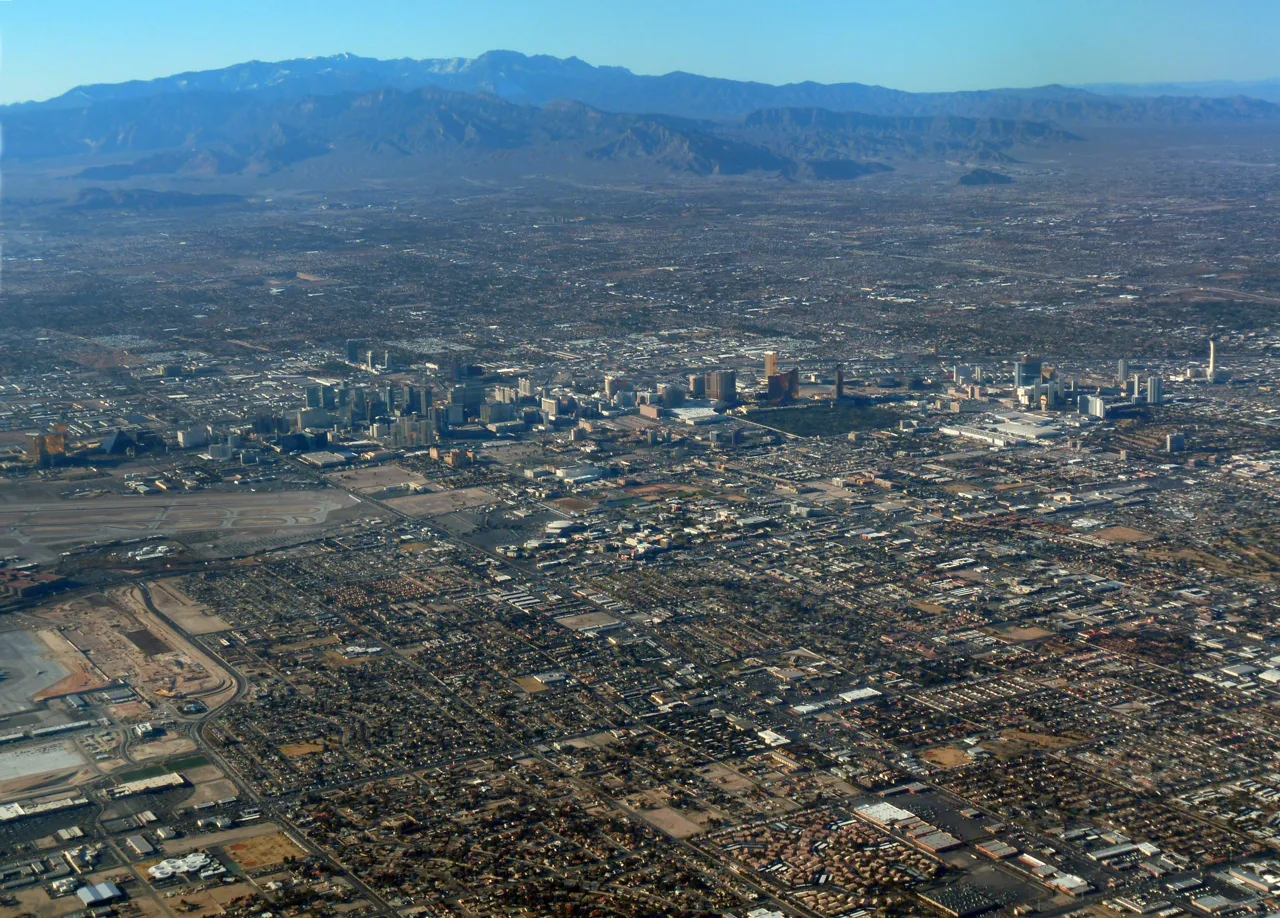
Photo by David Starner · CC BY-SA 4.0 · Wikimedia Commons
If you live in Los Angeles and you've ever opened your rent renewal letter with a slight pit in your stomach, you already know why so many of your neighbors are looking east on the I-15. Las Vegas isn't just cheaper than LA on a couple of line items. It's cheaper in ways that quietly add up every single month, and the gap shows up most clearly where households actually spend their money: rent, taxes, utilities, and the property they buy.
I work with relocating Californians almost every week, and the conversation usually starts with one question: "How much will I really save?" The honest answer depends on your salary, your housing choices, and how much you drive. But the data tells a very consistent story. Here's the side-by-side, with sources, so you can plug your own numbers in.
Is Las Vegas Actually Cheaper Than Los Angeles? Yes, and Here's by How Much
Cost-of-living indices that aggregate everything (housing, food, transportation, healthcare) consistently put Las Vegas roughly 18% cheaper than Los Angeles on an overall basis. That number alone is useful, but it hides the variance underneath it. Groceries, for instance, are nearly identical between the two cities. The gap is being driven by housing and taxes, the two biggest line items in most household budgets.
Federal data backs this up at the state level. According to the Bureau of Economic Analysis, California had the highest overall state price level in the country in 2024 with a Regional Price Parity of 110.7, and the highest housing-rent price parity in the U.S. at 154.3. Translation: the federal government's own measurement confirms California is structurally the most expensive state to live in, and housing is what drives it.
Rent: Where the Gap Hits First and Hardest
For renters, this is the single biggest reason people make the move. The Zillow Research December 2025 rent report shows just how wide the gap has become:
| Metric | Las Vegas | Los Angeles | Difference |
|---|---|---|---|
| Typical asking rent (Dec 2025) | $1,723 | $2,885 | $1,162/mo |
| Rent as share of median income | 24.6% | 34.1% | 9.5 pts |
| YoY rent change | +0.4% | +2.2% | LA rising faster |
| Listings offering concessions | 51.6% | 31.6% | 20 pts more in LV |
That $1,162-per-month gap works out to roughly $13,944 per year in rent savings before you touch utilities, parking, or renter's insurance. Over a typical 36-month lease cycle, you're talking about more than $40,000. That's enough for a down payment in many Las Vegas neighborhoods.
The concessions number is the part most people don't see in the headlines. More than half of rental listings in Las Vegas were offering some form of concession in late 2025 (one month free, waived deposit, free parking, reduced admin fees), and Zillow specifically called out Las Vegas as one of the metros with the largest annual jump in concessions. In Los Angeles, the rental market is still tighter, so landlords don't need to sweeten the deal as often.
Home Prices: A Different Universe
If you're buying, the gap gets even more dramatic. Zillow's metro housing data for Las Vegas-Henderson-Paradise shows a typical home value of $425,546 as of December 2025, with a median sale price of $423,667 and a median list price of $455,263. The Las Vegas metro home value was actually down 1.9% year-over-year, which means buyers have more negotiating room in early 2026.
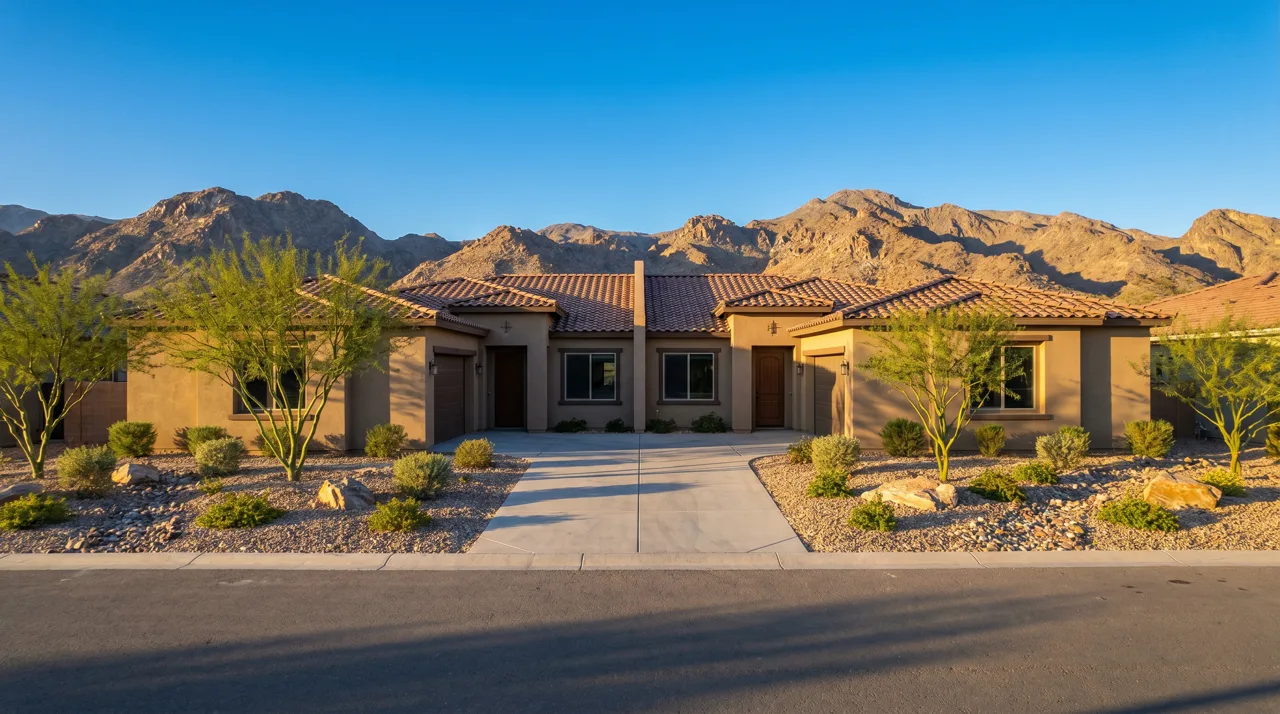
That mid-$400K typical home value lets you buy a 3-bedroom, 2-bath single-family home with a yard in a master-planned community like Mountain's Edge, Inspirada, or parts of North Las Vegas. In Los Angeles, that same budget barely covers a one-bedroom condo in a non-prime neighborhood. The 3,000-square-foot home in Summerlin sitting at the foothills of Red Rock Canyon? In Los Angeles, that money is often a starter condo.
Here's a quick translation of what Vegas budgets actually buy right now, based on current valley medians:
Entry Level
$300K-$450K
Townhomes, smaller single-family, established North Las Vegas, parts of Spring Valley. Plenty of options under $400K.
The Sweet Spot
$450K-$700K
Newer single-family in Henderson, Mountain's Edge, Skye Canyon, central Summerlin. Pool, 3-car garage, good schools.
Luxury
$700K-$2M+
Lake Las Vegas, guard-gated Summerlin villages, MacDonald Highlands. The kind of home that costs $4M-$8M in equivalent LA areas.
For comparison shoppers, you can browse current inventory across the valley on the Las Vegas listings page, which pulls live MLS data every 15 minutes. Or if you're price-anchored to a specific lifestyle, the Summerlin guide and Henderson guide are the two most common starting points for LA transplants.
The Tax Difference Nobody Talks About Enough
If rent is the obvious savings, state income tax is the invisible one. Nevada has no state individual income tax. California has graduated brackets that top out at 13.3% on high earners, the highest rate in the country, with most middle-income earners paying somewhere between 6% and 9.3% effective.
That gap shows up on every single paycheck for the rest of your working life. The savings scale with income:
| Annual Salary | CA State Tax (Est.) | NV State Tax | Annual Savings in NV |
|---|---|---|---|
| $75,000 | ~$4,500 | $0 | ~$4,500 |
| $100,000 | ~$6,200 | $0 | ~$6,200 |
| $150,000 | ~$11,500 | $0 | ~$11,500 |
| $200,000 | ~$16,800 | $0 | ~$16,800 |
| $300,000 | ~$28,500 | $0 | ~$28,500 |
Source figures cross-referenced against California Franchise Tax Board 2025 rate schedules. Your actual liability depends on deductions, filing status, and credits, so plug your real numbers in. But the order of magnitude is right, and the takeaway is clear: a remote tech worker earning $200K in LA who moves to Las Vegas without a salary cut is realistically pocketing an extra $1,400 a month from the tax move alone, before you factor in the rent savings.


Layer the tax savings on top of the rent gap, and you can see why the math works for so many people. There's also no Nevada inheritance tax and no estate tax, which matters more than people think for families planning long-term wealth transfer. As a CRS and Top 1% Las Vegas agent, I've worked with plenty of clients who made the move specifically for the tax structure and ended up loving the lifestyle, not the other way around.

Utilities: The Counterintuitive Math of Desert Living
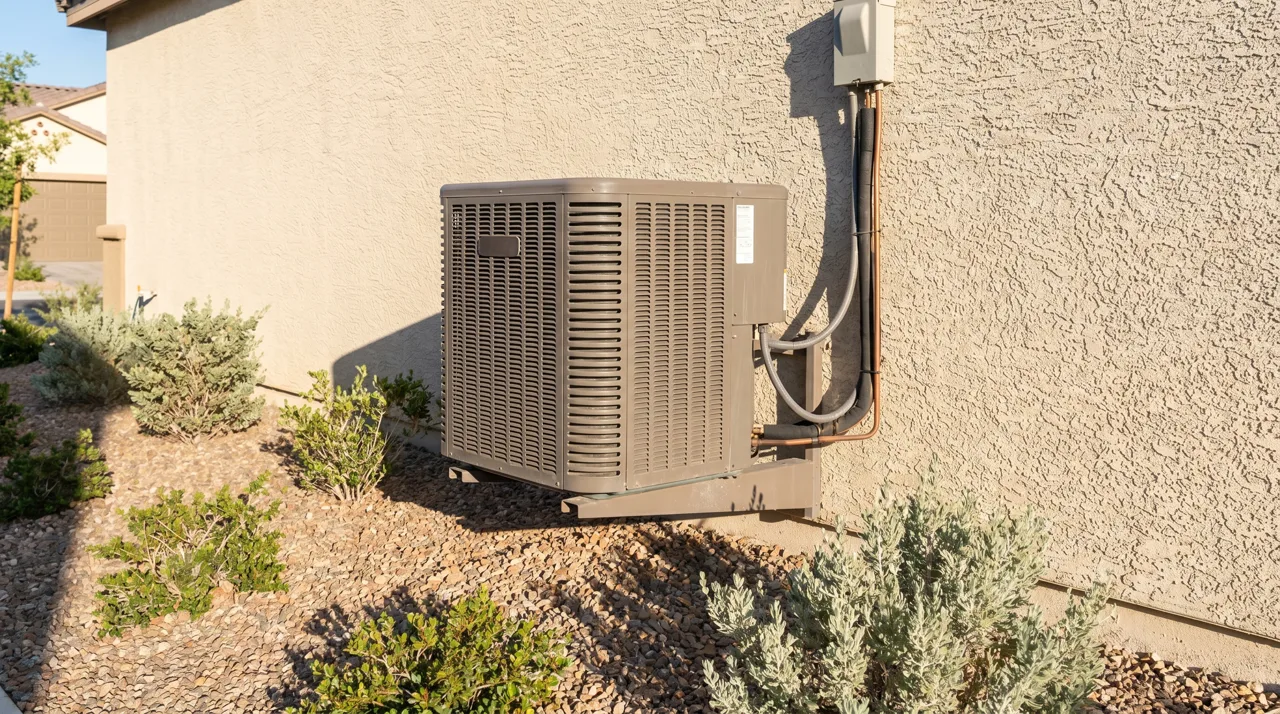
Most LA transplants assume their utility bills will skyrocket in Vegas because of the heat. The reality is more nuanced. According to the U.S. Energy Information Administration, the 2025 year-to-date average residential electricity price was:
- Nevada: 13.15¢/kWh
- California: 32.54¢/kWh
California's per-kWh rate is roughly two and a half times Nevada's. So yes, Las Vegas homes use more electricity in the summer (running AC from June through September is non-optional), but each kilowatt-hour costs less than half what it costs in LA. The actual bill depends on home size, insulation, SEER rating, and habits.
For a typical Las Vegas single-family home, real-world numbers look like this:
- NV Energy summer bills (June-September): $250-$470 for a typical 2,000-3,000 sq ft home
- NV Energy winter bills (December-February): $100-$180
- Annual average: roughly $150-$170/month, often less for well-insulated newer construction
- LVVWD water: $32-$60/month for most households (higher with large lawns)
- Southwest Gas: ~$25 summer, ~$58 winter
LADWP residential rates in California are tiered and seasonal, and during peak periods consumption charges can run in the mid-20s to low-30s cents per kWh. Add it all up and a typical Las Vegas utility budget runs $225-$350/month total, while LA households often pay $380 or more. Vegas wins on the rate; LA wins on milder average usage. The rate gap usually wins out.
Property Tax & HOA: The Numbers That Surprise People
California's Prop 13 famously caps assessed-value increases at 2% per year for existing homeowners, but the effective rate on a newly purchased home in Los Angeles still lands around 0.69%. Clark County, by contrast, runs at roughly 0.47% to 0.59%, and Nevada has its own cap (AB 489) limiting annual increases to 3% on primary residences and 8% on non-primary or rental property.
On a $500,000 home, that works out to roughly $2,500/year in property tax in Las Vegas versus $3,450/year in Los Angeles. Real, but not life-changing. The bigger story is that Nevada's homestead exemption protects up to $605,000 of equity from most general creditors, which is one of the more generous protections in the country.
HOA fees in Las Vegas vary wildly. Standard master-planned communities like Mountain's Edge, Aliante, or Inspirada run $80-$200/month. Guard-gated neighborhoods like Anthem Country Club or The Ridges can run $250-$500+. High-rise condos at the Strip or Symphony Park can climb past $900/month because the HOA covers security, valet, pool, gym, and 24/7 staff. LA HOAs are generally higher for comparable amenities, especially in newer mid-rise and high-rise buildings.


Transportation: LA Has Cheaper Transit, Vegas Has Less Driving
One area where LA actually wins on cost is public transit. A single ride on LA Metro is $1.75 and includes two hours of free transfers across bus and rail. RTC in Las Vegas charges $2 for a single ride, $3 for a 2-hour pass, and $65 for a 30-day pass.
But the real transportation comparison isn't about fares. It's about whether you actually use transit. LA Metro has 100+ miles of rail and a serious bus network; most Angelenos still drive, but the transit option exists for daily commuting in a way it doesn't really exist in Las Vegas. Vegas is car-dependent. Outside of Strip workers using the Deuce or SDX, most residents drive everywhere.
The trade-off:
LA Driving Reality
Cheap transit, but if you drive (which most do), expect longer commutes, higher gas, and California's premium auto insurance market.
Vegas Driving Reality
Almost no transit alternative, but commutes are shorter. Strip-to-Summerlin is about 20 minutes off-peak, and crosstown is rarely more than 30. Gas runs $4.40 to $4.80/gal.
Insurance Reality
Nevada is one of the most expensive states for auto insurance ($235-$297/mo full coverage average), partly because of nighttime traffic. LA isn't cheap either.
Most LA transplants tell me the biggest commute relief isn't the distance, it's the predictability. Vegas traffic exists (the 215 westbound at 5pm is no joke), but you don't lose 40 minutes to a random surface-street snarl the way you do in LA.
Income: LA Pays Slightly More, Vegas Lets You Keep More
One thing to be clear-eyed about: Los Angeles wages are modestly higher than Las Vegas wages for many roles. Census ACS data puts Los Angeles city median household income at $82,263 and Las Vegas city at $78,556. Tech, entertainment, and finance roles in particular pay a coastal premium in LA.
But the modest income advantage gets wiped out fast once you account for the rent gap and the tax gap. If a household earning $100K moves from LA to Vegas and accepts even a 10% pay cut (down to $90K), the rent savings alone ($13,944/year) plus the tax savings ($5,400+) more than make up for the lower nominal salary. Remote workers obviously do best. They keep their LA income and inherit Nevada's tax structure.
Los Angeles city median income is only modestly above Las Vegas city median income, but rents are dramatically higher. That mismatch is one of the clearest explanations for why many Southern Californians perceive Las Vegas as a financial pressure-release valve.
What Vegas Neighborhoods Compare to What LA Areas?
This is the question I get asked most. People want to know which Las Vegas neighborhood matches the LA neighborhood they're leaving. There's no perfect translation. The cities are different in fundamental ways. But here's how I usually frame it:
Summerlin / Summerlin West
The closest analog to West LA or the Westside in spirit: master-planned, mountain-adjacent, walkable village cores, strong schools, mature trees in older sections. Median around $649,900, with luxury enclaves like The Ridges and Red Rock Country Club running well into seven figures. The Vegas answer for buyers used to Pacific Palisades or Brentwood, at a fraction of the price.
Henderson (Green Valley, Anthem, Inspirada)
Henderson plays the role that Pasadena or the South Bay plays for LA. It's a slightly quieter, family-oriented suburb with its own identity. Median around $535,000. Henderson has consistently ranked among the safest cities in America, has its own restaurant scene around Water Street and District at Green Valley Ranch, and feels like a city in its own right.
MacDonald Highlands / Lake Las Vegas
If you're leaving Bel-Air, Beverly Hills, or Malibu, this is where you land. MacDonald Highlands is custom-home country with DragonRidge Country Club, and Lake Las Vegas is the closest thing the desert has to a Mediterranean coastal community. $1M-$15M+. Still meaningfully cheaper than equivalent LA luxury.
North Las Vegas / Centennial Hills
The affordability play. Median around $425,000 in North Las Vegas, $525,000 in Centennial Hills. For LA renters who haven't been able to break into ownership, this is where the math finally works. New construction is abundant, builder incentives are real, and the commute to anywhere in the valley is under 30 minutes.


Schools & Family Considerations
The school conversation is where LA still has some advantages on paper. Los Angeles has a deeper bench of high-performing public schools in specific neighborhoods (and the LAUSD magnet system), plus a much larger private school ecosystem. Las Vegas's school district, the Clark County School District, is the fifth largest in the country, and quality varies meaningfully by neighborhood and by school within a neighborhood.
That said, several Las Vegas zones are home to high-rated public and charter schools, particularly in Summerlin, Henderson, and Anthem. The private school scene has grown rapidly in the last decade. The Meadows School, Faith Lutheran, Bishop Gorman, Las Vegas Day School, Adelson Educational Campus, and several Montessori options are all well-regarded. Tuition is meaningfully lower than at LA-equivalent privates, often by 20-30%.



The "Wow" Stat: People Are Actually Moving
If you're wondering whether the cost-of-living comparison is just a curiosity or something people act on, the migration data answers that. Redfin's Q4 2025 migration report showed two things at the same time:
- Los Angeles is the #1 city in the country for net outflow of home searchers
- Las Vegas is LA's top out-of-state destination, and LA is Vegas's top origin metro for inbound moves
This isn't a fringe pattern. The Las Vegas-Henderson-Paradise metro ranked #2 nationally for net inflow in that same report. The I-15 corridor between LA and Vegas has become one of the most heavily trafficked relocation routes in the western U.S., and U-Haul rate data reflects it too (rentals from LA to Vegas have historically priced higher than the reverse direction because so much equipment ends up here).
The Honest Tradeoffs
Cost of living is one input. Quality of life is another. To be straight about what you give up:
- Ocean access. Vegas is a 4-hour drive to the Pacific. If beach weekends are central to your life, that's a real lifestyle change. Lake Mead is gorgeous and close, but it's not the ocean.
- Summer heat. June through September is brutal. 110°F+ stretches happen every summer. Most locals shift their schedules (early mornings, indoor afternoons, evening pool time). You adjust, but the first summer is real.
- Job market depth. LA has more concentrated industry clusters (entertainment, biotech, aerospace, fashion, finance). Vegas's economy is more diversified than it used to be (logistics, sports, healthcare, tech, professional services), but specific specialized roles can be harder to find here.
- Cultural amenities. The Strip's dining and entertainment is world-class, the Smith Center is excellent, and the local arts scene has grown. But LA's museum, music, and food density at the neighborhood level is hard to match.
None of these are reasons not to move. They're just the honest things to plan for, especially if you've never lived in the Mojave before.
Putting It All Together: A Realistic Monthly Savings Scenario
Let's stop generalizing and run actual numbers for a household making the move. Imagine a couple with a combined $150K income, currently renting a 2-bed in LA, moving to a comparable rental in Las Vegas:
| Line Item | LA Monthly | LV Monthly | Monthly Savings |
|---|---|---|---|
| Rent (typical 2BR) | $2,885 | $1,723 | $1,162 |
| State income tax | ~$958 | $0 | $958 |
| Utilities (electric + gas + water) | ~$380 | ~$280 | $100 |
| Groceries (similar) | ~$700 | ~$650 | $50 |
| Estimated Total Savings | — | — | ~$2,270/mo |
That's roughly $27,000 a year, give or take, for a couple at this income level. Higher earners save more (the tax line grows fast). Lower earners save less on tax but still pocket the rent gap. Adjust for your situation, but the magnitude holds.
Buyer & Seller Tips for the LA-to-Vegas Move
- Get pre-approved with a Nevada-licensed lender before you start touring. Inventory in the $400K-$600K bracket still moves quickly in the better neighborhoods.
- If you're selling in LA first, time the closings carefully. Nevada residency for tax purposes is established when you physically move and intend to stay, but documentation matters if the FTB ever asks questions.
- Update your driver's license and vehicle registration within 30 days of the move. Nevada is strict on this.
- File your Homestead Declaration with Clark County Recorder after closing. It's a simple form that protects up to $605,000 of home equity from most creditors.
- Ask builders about rate buydowns. In the current market, many Las Vegas builders are offering permanent rate buydowns into the 5% range, which can save you $300-$500/month versus a traditional 30-year fixed.
- Check insurance quotes before you commit to a car-heavy commute. Nevada premiums are higher than people expect.
Relocation FAQs
Is everything cheaper in Vegas than in LA?
No. Groceries are nearly identical. Auto insurance is actually higher in Nevada. Childcare and healthcare are roughly comparable. The big savings concentrate in housing, taxes, and electricity. Those happen to be three of the four biggest line items in most household budgets, which is why the overall difference is so meaningful.
Will my California salary translate to Vegas?
Depends on the role. Remote workers keep their full LA salary, which is the dream scenario. In-person roles in tech, finance, and law typically pay 10-20% less here than equivalent LA roles, though the gap has narrowed as more companies have opened Vegas offices. Hospitality and service-sector pay is on par or higher. Run your specific role through Glassdoor or Talent.com for the latest data.
Do I need to be a Vegas resident to skip California taxes?
Yes, and the California Franchise Tax Board takes "establishing residency" seriously. You need a Nevada address, Nevada driver's license, Nevada vehicle registration, voter registration, and ideally physical presence for the majority of the year. If you keep a California home and visit frequently, you may still owe partial CA tax. Talk to a CPA familiar with cross-state residency before the move.
Is the summer heat really that bad?
It's hot. 110°F+ stretches in July and August are normal. The dry air makes it more tolerable than humid heat, but it's still serious. Most locals adapt by shifting outdoor activity to early morning or evening, keeping homes around 78-80°F in summer (not 72), and using pools and shaded patios. Spring (March-May) and fall (October-November) are genuinely beautiful in Las Vegas.
Should I rent first or buy right away?
Honest answer: rent for 6 months unless you already know the valley well. Renting lets you figure out which side of town fits your commute and lifestyle. With Las Vegas rental concessions running at 51.6% of listings as of late 2025, you can get a great short-term deal while you shop. Then buy with a clear head.
If you're thinking through a move from Los Angeles, the most useful next step is usually to start with a real budget translation. What does your current LA monthly spend convert to in Vegas, neighborhood by neighborhood? Browse the live Las Vegas listings, take a look at the broader neighborhoods overview, or run a rough mortgage scenario on the mortgage calculator to see what your LA rent payment could actually buy as a mortgage out here.
The data is on your side. The move is just logistics.
Categories
Recent Posts