What to Know Before Buying a Furnished Condo in Las Vegas


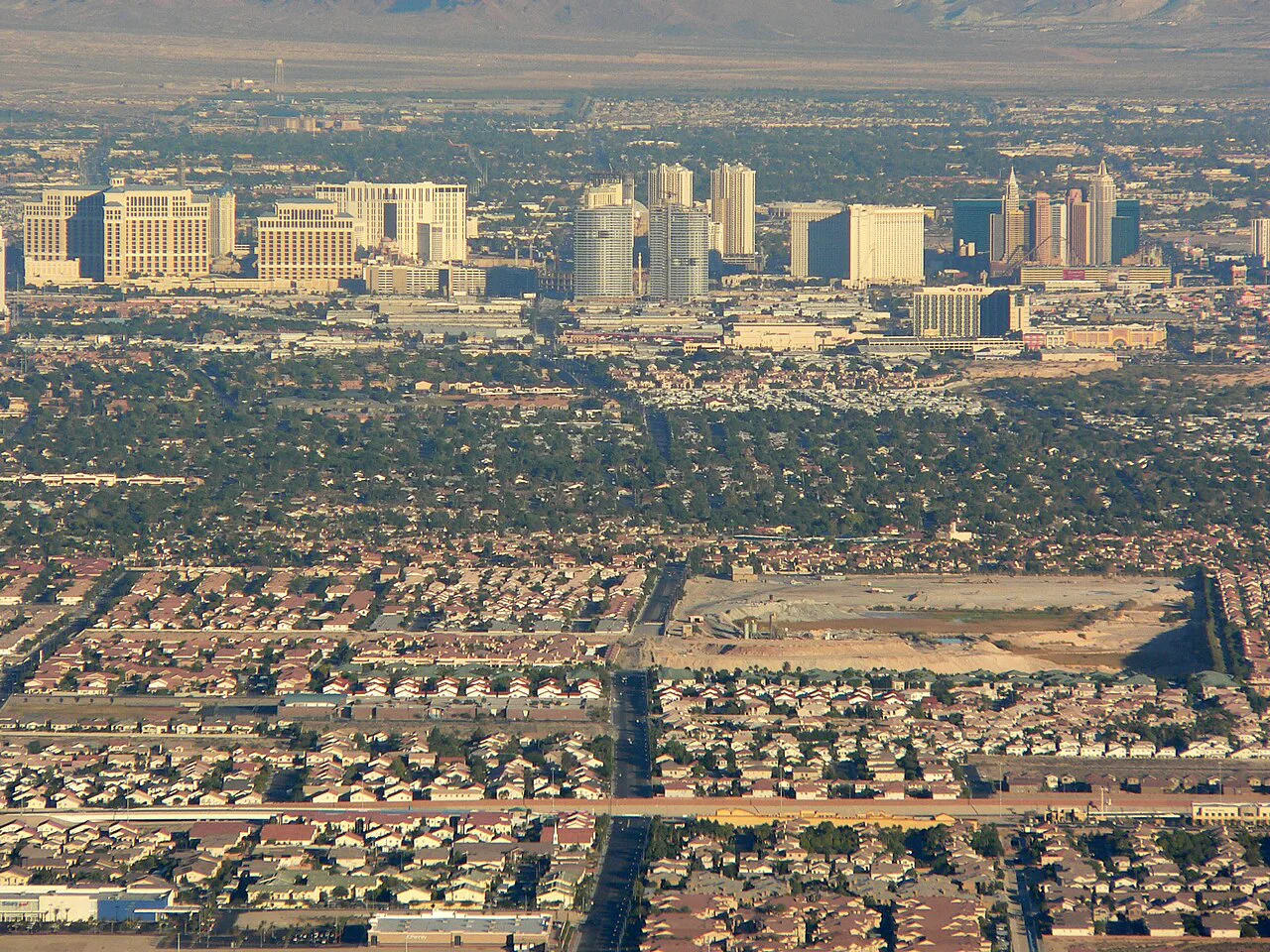
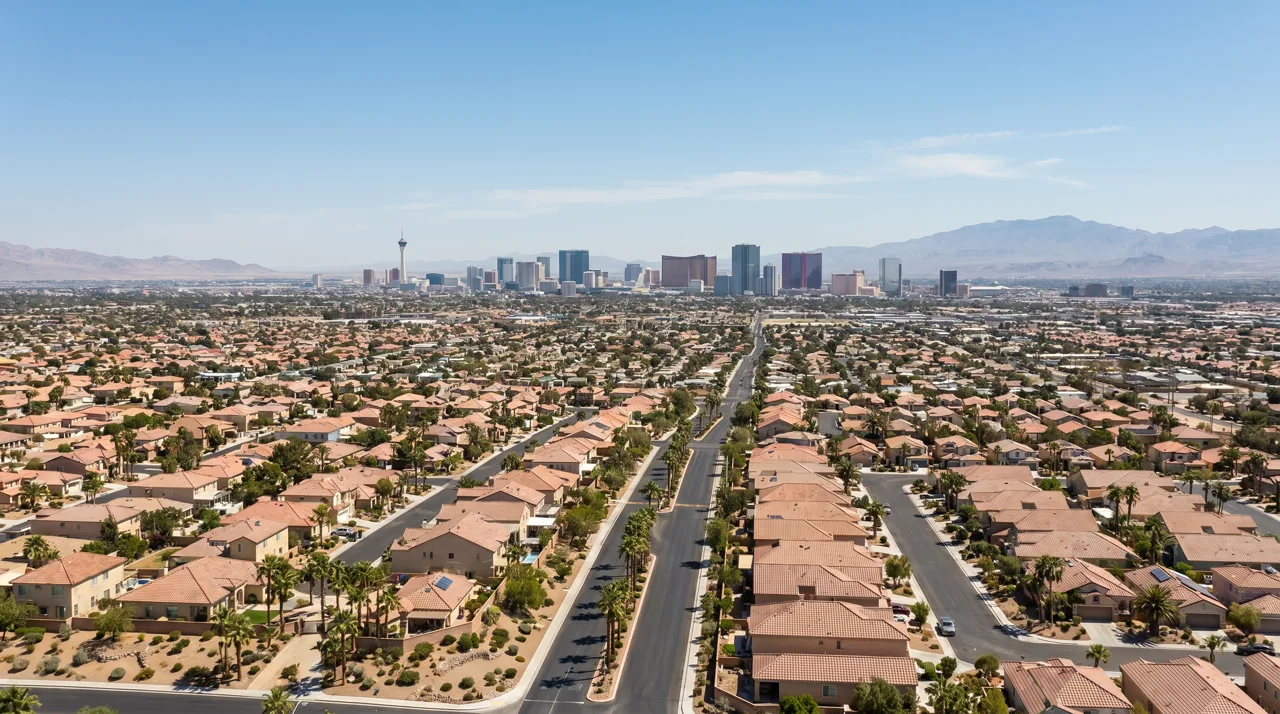
Photo by Mike McBey · CC BY 2.0 · Wikimedia Commons
Buying a furnished condo in Las Vegas sounds like the easiest move you'll ever make. Pick a tower with a view, sign the papers, walk in with a suitcase. And it can be that simple. But "furnished" does a lot of heavy lifting on local listings, and the difference between a great purchase and an expensive lesson is almost always in the fine print, not the furniture.
If you're searching for furnished condos Las Vegas has to offer, you're shopping in one of the most layered condo markets in the country. Traditional residential towers, condo-hotels with built-in rental programs, mid-rise lofts in the Arts District, and master-planned condo communities out in the suburbs. Each comes with its own rules around how you can live in the unit, rent it out, finance it, and resell it. None of that is obvious from the photos.
The Las Vegas Condo Market Right Now
The high-rise condo market is in a much more buyer-friendly place than it was two or three years ago. Roughly 514 high-rise condos were for sale as of March 2026, with about 40 closing that month. Sales have picked up month over month, but inventory is still elevated compared to the post-2020 stretch when towers traded fast and rarely.
Median condo pricing across Southern Nevada has softened, hovering near $275,000 by the end of 2025, while the luxury high-rise tier has held steadier. Skyrises reported an average final sold price of $677,167 across high-rise sales in January 2026, with units closing at about 95.3% of list. Translation: buyers have room to negotiate right now, especially in older towers with rising HOA dues, and that room is even bigger when the unit comes furnished and the seller wants to walk away clean.
What does that mean for a furnished buyer? You can ask for things sellers used to refuse: a complete furniture inventory in writing, an early look at the HOA resale package, credits for older furnishings, or a price drop if the building has a special assessment on the horizon. Three years ago, those asks got you laughed out of the room. Today, they get you a reply.
Not All Furnished Condos Are the Same Thing
This is the single biggest miss for out-of-state buyers. In Las Vegas, "furnished condo" can describe four genuinely different products.
Traditional Residential Condo
A standard owner-occupied or long-term rental tower like Waldorf Astoria, Veer Towers, The Martin, or Turnberry Place. Furniture comes from the seller, financing is conventional, and the HOA usually requires a 6-month minimum lease. Resale buyer pool is wide. This is the closest thing to "buying a regular house" in the high-rise world.
Condo-Hotel (Condotel)
You own a fee-simple unit inside a working hotel. MGM Signature, Trump Tower, Vdara, and Palms Place are the big names. Units come fully furnished to hotel standards, nightly rentals are usually allowed, and you can opt into the on-site rental program or hire a third-party manager. Financing is harder because Fannie/Freddie typically classify these as non-warrantable, so many sales are cash or 30 to 40% down with portfolio lenders.
Downtown Loft / Mid-Rise
Buildings like Juhl, The Ogden, Newport Lofts, and Soho Lofts in the Arts District and Symphony Park area. These attract owner-occupants who want walkable urban life. Some allow 30-day minimum leases (more flexible than the Strip towers), but short-term Airbnb-style rentals are usually voted up or down by the HOA, not by the city.
Suburban Condo / Townhome
Furnished single-level condos and attached homes in Henderson, Summerlin, and Aliante. Per Redfin data, fully furnished listings in Henderson sit at a median asking price around $529,000, and there are typically a handful of furnished options in Summerlin South in the high $800Ks. Quieter, more residential, far fewer rental restrictions to worry about than a Strip tower.


Two listings can have nearly identical photos and asking prices and represent completely different ownership experiences. A $500K furnished unit at MGM Signature and a $500K unit at The Ogden share almost nothing in common: ownership structure, financing path, lease rules, fee structure, and resale audience are all different. Treat the building, not the unit, as the thing you're really buying.


Neighborhoods Where Furnished Condos Cluster
Where you buy shapes everything: rental rules, view, noise, financing, and resale audience.
| Area | Typical Building Examples | Vibe | Rental Rules to Expect |
|---|---|---|---|
| The Strip / CityCenter | Waldorf Astoria, Veer Towers, Vdara, The Cosmopolitan | High-energy, hotel-adjacent, walkable to entertainment | Mix of 6-month minimums (Waldorf, Veer) and nightly allowed (Vdara) |
| North Strip / Sahara | Sky Las Vegas, Allure, Turnberry Towers | Quieter than CityCenter, gaining momentum with Fontainebleau | 3 to 12-month minimums depending on tower |
| Off-Strip Luxury | Panorama Towers, The Martin, Park Towers, Turnberry Place | Privacy, valet, golf-course views, polished service | Long-term only, typically 6 to 12-month minimums |
| Downtown / Arts District | Juhl, The Ogden, Newport Lofts, Soho Lofts | Urban, creative, walkable to Fremont East and breweries | 30-day minimums common; Juhl restricts STRs |
| Strip-Adjacent Condotels | MGM Signature, Trump Tower, Palms Place, Elara | Hotel-style ownership, investor-heavy, lock-and-leave | Nightly rentals usually allowed; hotel program optional |
| Henderson / Summerlin | Single-level condos, gated townhome communities | Suburban, residential, more space, fewer amenities | Long-term focused, varies by HOA |
If your goal is income, you'll want to be in a building that allows short-term rentals or at least short minimum leases. If your goal is a primary or part-time residence, those same rental-friendly buildings can feel transient and noisy because half your neighbors are weekend tourists. Pick the building that matches the life you actually want, not the marketing photos.
What "Fully Furnished" Should Mean in Writing
Listing language is wildly inconsistent. "Fully furnished," "turnkey," "designer furnished," and "furnished negotiable" can all describe the exact same condition or four very different ones. Here are some real-world translations.
"Fully Furnished"
Usually means the major furniture stays: beds, sofas, dining tables, dressers. May or may not include TVs, kitchenware, linens, art, patio furniture, or electronics. Always ask.
"Turnkey"
Marketing term, not a legal one. Implies move-in ready but doesn't promise specific contents. In practice it often means "everything you see in the photos," but verify item by item.
"Designer Furnished" or "Model-Perfect"
Highest disappointment risk. Sellers frequently exclude statement art, mirrors, sculpture, or rented staging pieces. Ask which photographed items are leaving with the seller.
"Furnished Negotiable"
The furniture is being treated as a separate purchase. This affects appraisal value and contract structure, and you may end up paying for furnishings outside the loan.
Before you close, you want a written, itemized inventory of what stays and what goes, signed by both parties. Personal property and real property are legally different in Nevada, so the furniture transfer is usually documented through a bill of sale that sits next to the main purchase contract. If the unit is in a condo-hotel, it's even more important: program-eligible furnishings often have to meet specific quality standards, and you may be on the hook to replace anything that's missing or damaged before the unit can re-enter the rental pool.
HOA Fees, Reserves, and the Real Cost of Ownership
The sticker price is rarely the most important number in a condo deal. The monthly carrying cost is. Las Vegas high-rise HOA dues run higher than the national average, typically $400 to $1,200 per month and reaching $2,000 to $4,000 in ultra-luxury towers. Those dues cover real services, like 24/7 security, valet, concierge, pool maintenance, gym, and sometimes water, gas, cable, and internet. But they also cover the long-term capital reserves needed to keep elevators, HVAC, roofs, and facades in working order.
A lot of Las Vegas towers were built in a tight 2005 to 2009 window, which means many are hitting their third decade together. That's when elevator modernization, cooling tower replacement, and facade work all start coming due. The Nevada Real Estate Division requires HOA reserve studies on a recurring cycle, and elevator modernization alone can run $3,000 to $8,000 per unit when paid through a special assessment. Facade repairs can hit $15,000 per unit if reserves were undercollected.
Beyond HOA dues, plan for property taxes (Clark County uses assessed value, generally favorable to owners), an HO-6 condo insurance policy (averaging around $560 per year, per Insurance.com), electric (NV Energy proposed roughly a 10.76% bill increase on interim rates effective October 2025), and any tower-specific fees like valet, parking, or storage. Add it all up before you fall for the lobby.


The Short-Term Rental Reality
Here's a sentence that costs Las Vegas investors thousands of dollars every year: "If the listing says furnished, that means I can Airbnb it." Not true. Not even close.
Short-term rental rules in Las Vegas exist on three layers, and any one of them can shut you down. The strictest layer wins.
- The jurisdiction. The City of Las Vegas, Clark County (unincorporated), Henderson, and North Las Vegas each have their own short-term rental ordinances. License required, distance requirements between rentals, occupancy caps, and inspection rules all vary.
- The HOA / building rules. Even if your address allows STRs, your tower may not. Many residential high-rises like Waldorf Astoria, The Martin, Veer Towers, Turnberry Place, and Park Towers require a 6-month or 12-month minimum lease. Juhl, despite its urban location and 30-day flexibility, restricts traditional Airbnb activity through a building vote.
- The unit itself. Even in a building that allows nightly rentals (MGM Signature, Trump, Vdara, Palms Place), the building may charge a transient fee per night for owners who don't use the official hotel program. At MGM Signature, that fee can run $30 to $40 per night for non-program owners.


The math on STR income is also not what social media would have you believe. Rabbu data pegs the average Las Vegas STR at about $32,243 in annual revenue, a $227 average daily rate, and 40% occupancy. That's a market average, not a peak. Premium condotel units on the Strip with strong management can clear far more, and entry-level units in weaker buildings can clear far less. If your investment thesis depends on $80K of annual rental income, the building's actual recent performance needs to back that up.
Insurance, Utilities, and the Summer Bill Nobody Warned You About
The HOA's master insurance policy covers the building structure and common areas, but almost never your interior, your improvements, or your furniture. That's what an HO-6 unit-owner policy is for. If your "fully furnished" unit came with $40,000 of furniture, art, and electronics, you want that contents coverage spelled out at replacement cost, not actual cash value.
Look at loss-assessment coverage too. If the HOA's master policy has a large deductible (common in Las Vegas towers) and there's a major covered loss, owners can be assessed for the difference. A modest HO-6 add-on can shield you from that exposure.
The line item people underestimate most is summer electricity. A furnished condo doesn't reduce your July bill. Older glass, west-facing exposure, and aging HVAC can torch your operating budget from June through September. If you're touring in February, ask for 12 months of electric history.
Location Quirks Most Out-of-State Buyers Miss
A few hyper-local factors that don't show up on Zillow:
- Airport noise. Strip-adjacent and Paradise-area condos can sit under flight paths for Harry Reid International. The Clark County Department of Aviation publishes noise contour maps specifically for buyers and Realtors. Worth a look before you commit to a balcony lifestyle.
- Concert and festival weekends. Allure sits adjacent to the Las Vegas Festival Grounds. Buildings near T-Mobile Arena and Sphere have their own event-night patterns. Visit on a Friday night before you fall for the daytime view.
- Construction overhead. The valley has new towers in the pipeline at Symphony Park (Cello Tower, completing 2028), MacDonald Highlands (Four Seasons Private Residences, 2027), and the Arts District (English Residences). Existing towers may face new competition for resale, and adjacent construction can mean years of cranes and dust nearby.
- Elevator and parking realities. Some towers like Veer and Trump are valet-only. That's a feature for some buyers and a frustration for others when valet runs slow on event nights. Ask whether assigned garage spaces are available before assuming they are.
Future Growth: Where the Market Is Headed


Three new high-rise projects are reshaping the Las Vegas condo conversation. Cello Tower at Origin Symphony Park will be the first new downtown high-rise in over a decade when it opens in 2028, with units priced from the high $700Ks to $9 million. Four Seasons Private Residences Las Vegas in Henderson's MacDonald Highlands has reportedly logged $750M in pre-sales for 171 units priced $3M to $27.5M. And The English Residences, a Marriott Tribute condo-hotel in the Arts District, broke ground in spring 2025.
For furnished condo buyers, the takeaway is twofold. New supply at the top end pulls some demand away from older luxury buildings, which can mean better pricing on resale-tier units in towers like One Queensridge Place or Park Towers. And the new condotel and serviced-residence projects are quietly normalizing hotel-style ownership in submarkets where it wasn't an option before.
Buyer's Checklist: What to Verify Before You Close
If you take nothing else from this article, take this list. Run it on every furnished condo you seriously consider.
- Confirm whether it's a true condo or a condo-hotel, and whether the unit is currently in a rental program
- Get an itemized, written furniture inventory and a separate bill of sale for personal property
- Read the full HOA resale package: budget, reserve study, insurance certificate, governing docs, minutes, and pending litigation
- Check the reserve funded percentage and ask about any planned special assessments in the next 3 to 5 years
- Verify the minimum lease term and any short-term rental restrictions in the governing documents
- Check the jurisdiction (City of Las Vegas, Henderson, North Las Vegas, or unincorporated Clark County) and confirm STR licensing requirements there
- Get an HO-6 quote with replacement-cost contents coverage and loss-assessment coverage
- Pull 12 months of utility history from the seller, especially summer electric
- If you plan to finance, confirm the building is warrantable for your loan type before writing the offer (condotels often require cash or specialty loans)
- Visit the building at night and on a weekend before committing
As a Top 1% Las Vegas agent and Certified Residential Specialist, I've walked clients through more of these resale packages than I can count, and the surprises almost always come from the same handful of places.
Common Questions From Out-of-State Buyers
Can I live in a condo-hotel full time?
Sometimes. Some condo-hotels allow full-time owner occupancy and others limit how many nights per year owners can stay (a tax structure thing on the building's end). MGM Signature and Trump generally allow full-time occupancy. Always check the governing documents, because the rules can change building to building and over time.
Will my mortgage lender finance a furnished unit?
The "furnished" part isn't usually the lender's concern. The building's warrantability is. Traditional condos like Waldorf, Veer, The Martin, or Juhl are typically financeable with conventional loans. Condotels like MGM Signature, Vdara, Trump, and Palms Place are usually non-warrantable, so expect 30 to 40% down with a portfolio or non-QM lender, or cash.
Are HOA fees negotiable?
No. HOA dues are set by the association and apply equally to all owners in the same unit class. What you can negotiate is whether the seller credits you for upcoming dues or known assessments at closing.
Can I rent the unit out short-term while I'm not using it?
Only if all three layers (jurisdiction, HOA, and unit-specific rules) allow it. In most residential high-rises, the answer is no. In condotels, the answer is usually yes, with fees and program-eligibility rules attached.
What happens to the furniture if I want to renovate?
In a traditional condo, it's yours to keep, sell, donate, or replace. In a condo-hotel that's part of a rental program, replacing furniture or finishes may need approval and may need to meet brand standards to keep the unit in the program.
The Bottom Line
A furnished condo in Las Vegas can be one of the most enjoyable purchases you'll make: polished view, real lifestyle, low daily friction, and in some cases real income. It can also be one of the easiest places to overpay if you treat the furniture as the main event. Furniture is the easiest thing to fix. Building health, HOA finances, rental rules, and resale liquidity are not.
Spend a few extra days on the resale package, the reserve study, and the lease rules. Visit at night. The market is in a more patient place than it's been in years, which means thoughtful buyers have time to do this right.
Categories
Recent Posts