Cost of Living: Las Vegas vs. Phoenix


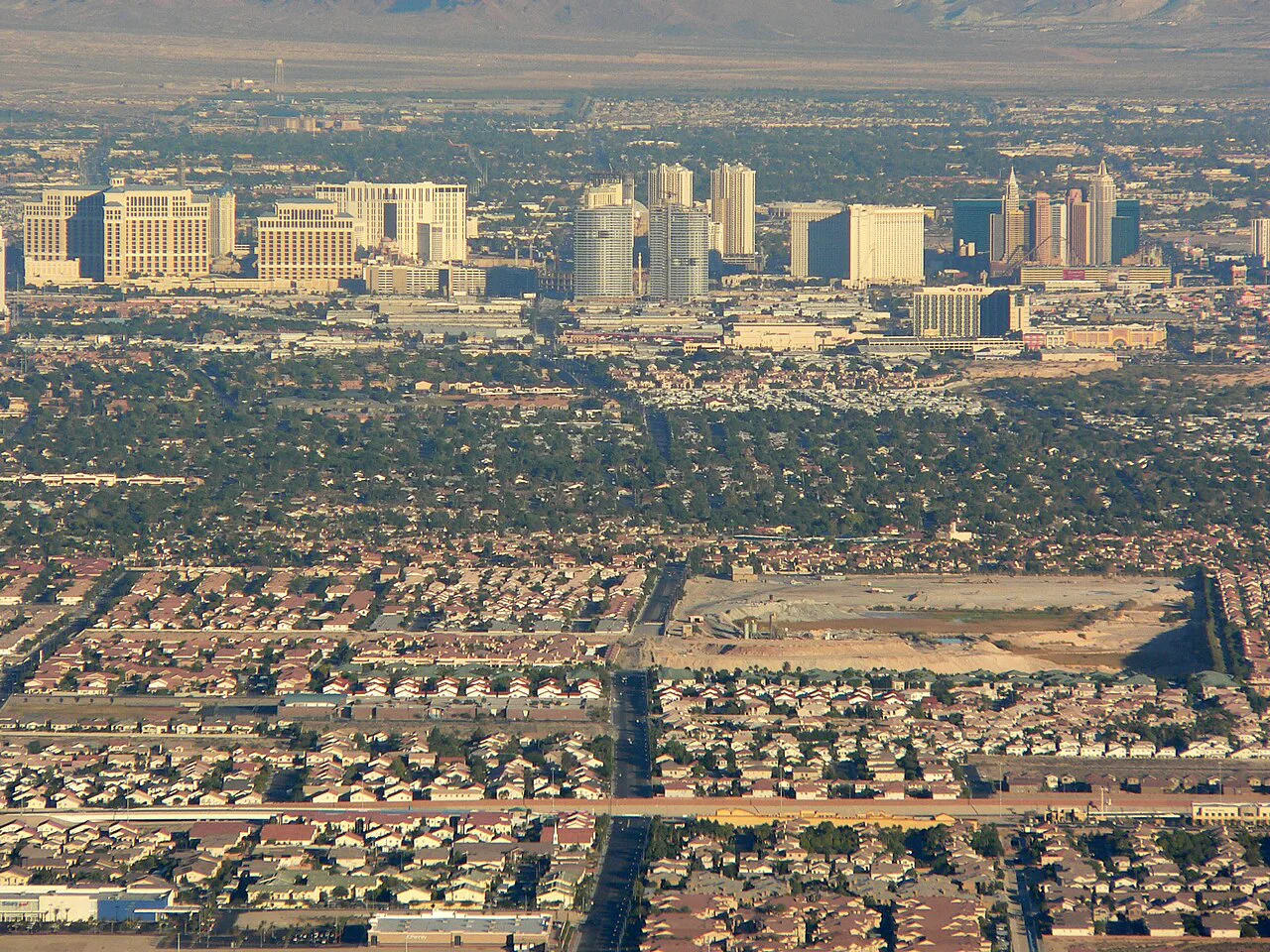
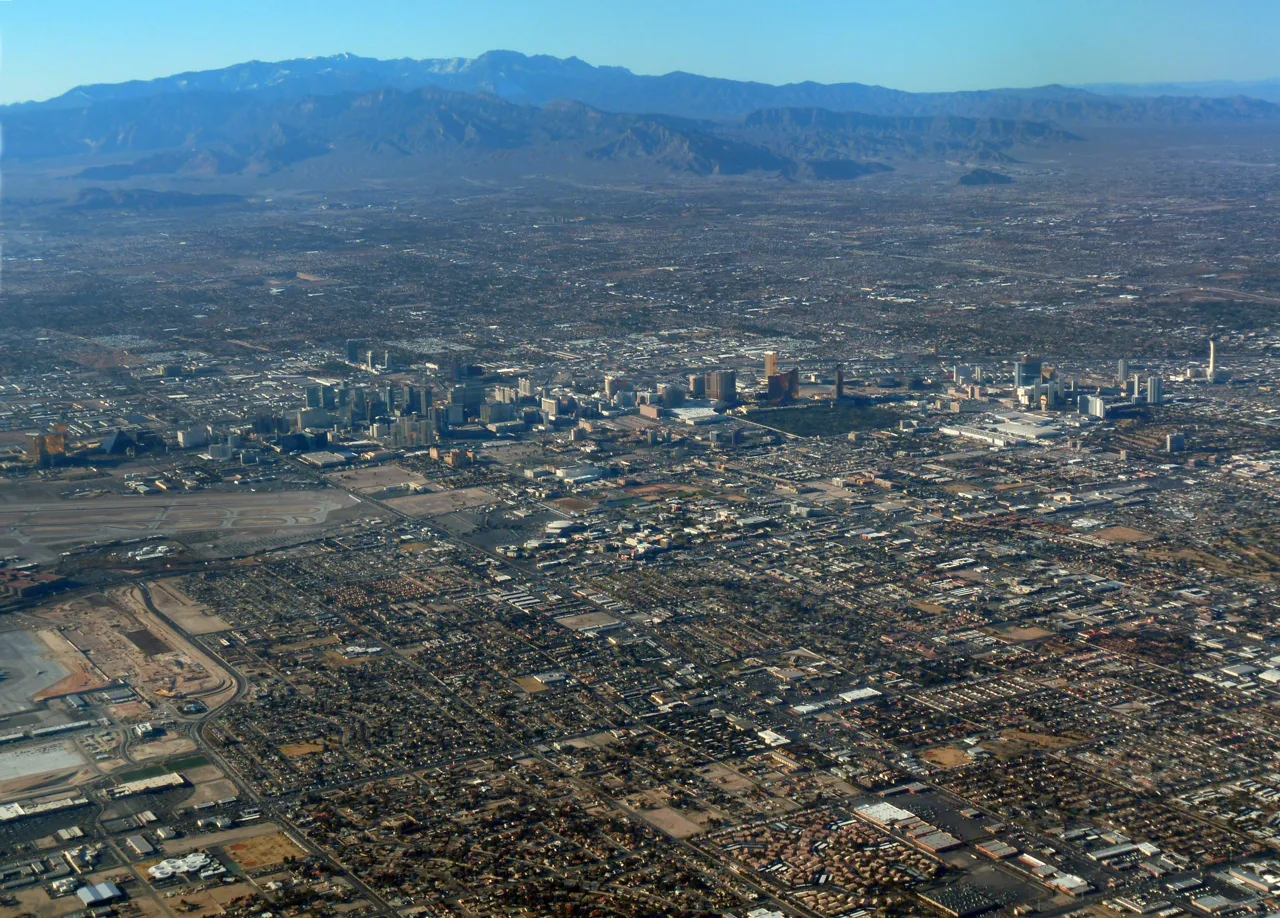
If you're comparing the cost of living in Las Vegas vs. Phoenix, the short answer is that they look almost identical on the surface and feel pretty different in practice. Home prices, rents, and groceries are within a few percent of each other. Where the two cities really separate is in taxes, summer utility bills, and what the day-to-day budget actually looks like once you've lived in each one for a year.
I get this question constantly from buyers relocating in from California, Texas, and the Midwest. They've shortlisted Las Vegas and Phoenix because they want a warm-weather Southwest city without a coastal price tag. Most arrive thinking the two are basically interchangeable. They're not. Both are genuinely affordable by national standards, but the way each city charges you for the privilege of living there is very different.
How the Two Cities Compare at a Glance
Before getting into the line items, here's the snapshot I usually share with clients deciding between the two. Numbers come from current 2026 data — Tax Foundation for state taxes, Apartments.com/C2ER for the cost-of-living index, MIT's Living Wage Calculator for required income, and Nevada and Arizona utility filings for monthly bills.
| Category | Las Vegas | Phoenix | Edge |
|---|---|---|---|
| State income tax | 0% | 2.5% flat | Las Vegas |
| Sales tax (combined) | 8.38% | ~8.6% | Las Vegas (slightly) |
| Property tax on $400K home | ~$2,000/yr (0.50%) | ~$1,920/yr (0.48%) | Phoenix (barely) |
| Median single-family home price | $481,995 | ~$485,000 | Roughly tied |
| Average monthly utilities | $225-$350 | ~$360 | Las Vegas |
| Auto insurance (full coverage) | $2,824-$3,568/yr | ~$3,071/yr | Phoenix |
| Overall cost-of-living index | Lower | ~10.2% higher (C2ER) | Las Vegas |
That table is the whole article in miniature. Las Vegas wins on income tax, utilities, and the headline index. Phoenix wins on car insurance and (by a hair) property tax rate. Housing and groceries are basically a tie. Everything below is the why behind those numbers.
Housing: The Decider for Most Relocators

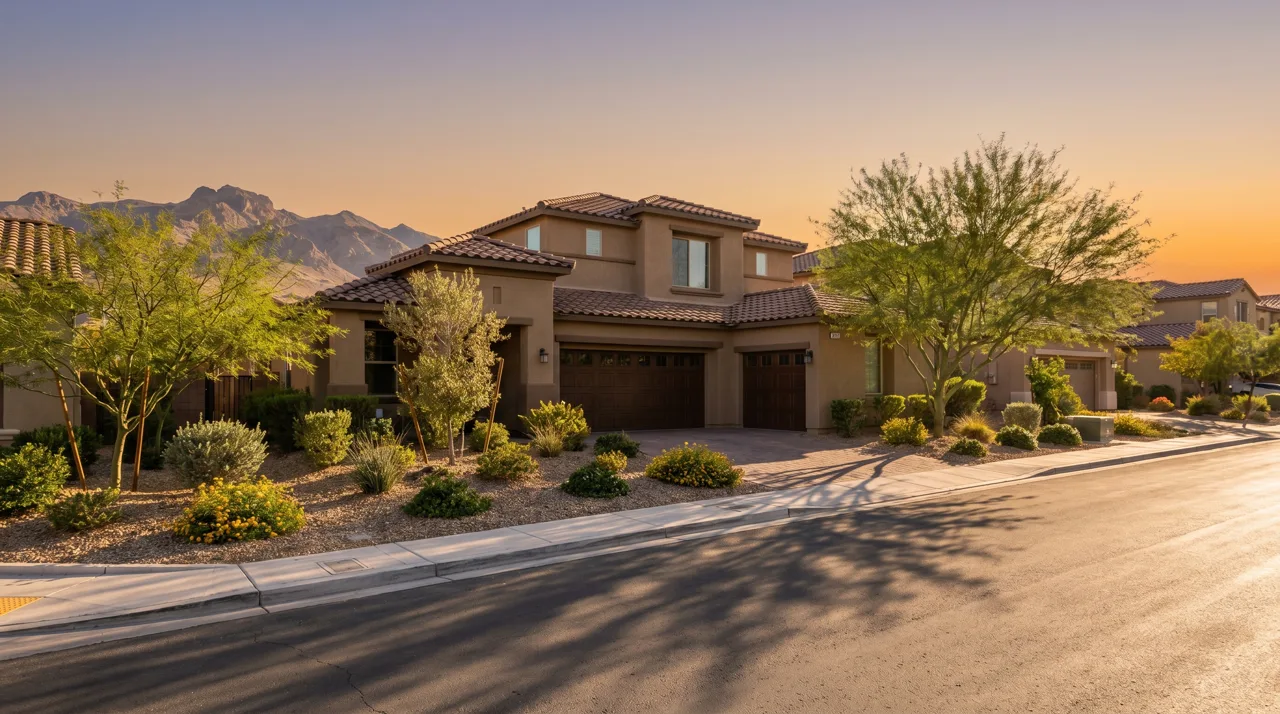
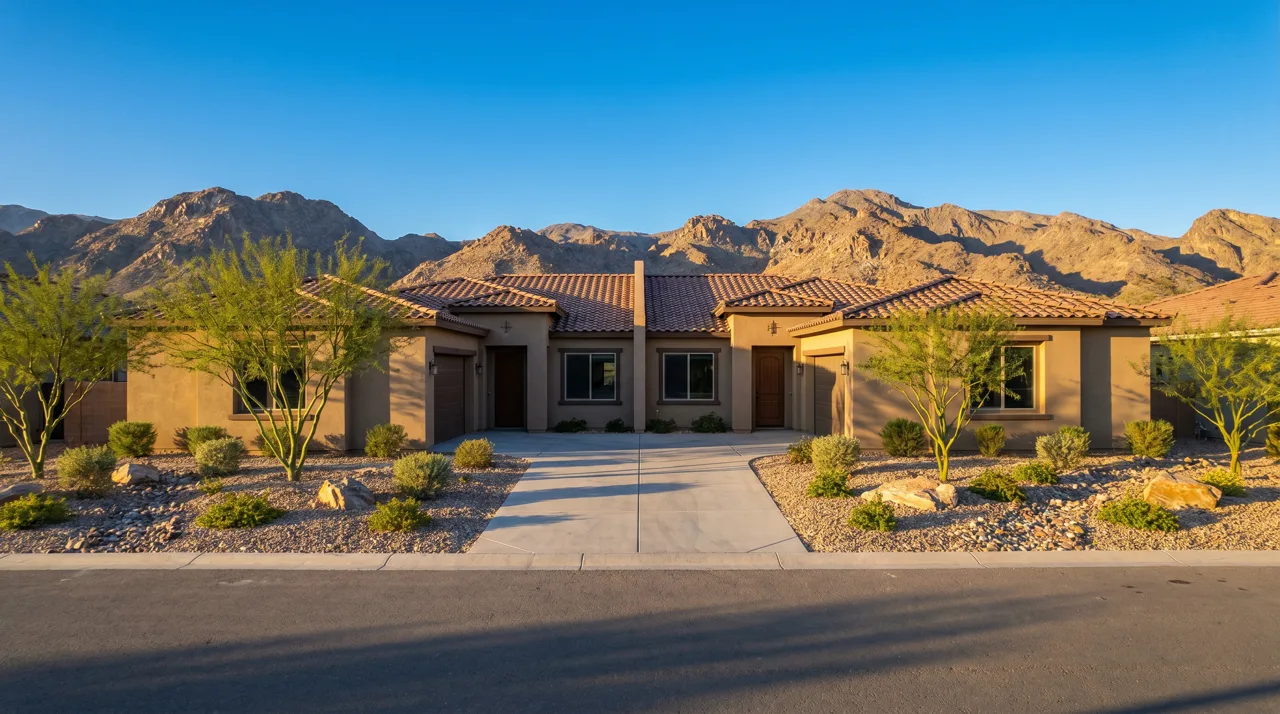
Housing is the single biggest line in almost every household budget, and it's where the Las Vegas vs. Phoenix comparison gets the most interesting. The median sale prices are nearly identical, but the way the markets behave is different.
Per the most recent Greater Las Vegas Association of Realtors and MLS data for early 2026, the median single-family home in Las Vegas is around $481,995, with citywide prices ranging from $299K for one-bedroom homes to $832K for four-bedrooms and $1.35M+ for five-bedroom-plus properties. Phoenix's median lands at about $485K depending on the dataset, with Zillow's metro home value index showing $446,470 in March 2026 and Redfin pegging the city median at $461K.
Same neighborhood, same square footage, your monthly payment will be within a few hundred dollars either way. The interesting comparison is what a similar dollar buys you in each city's premium suburb.
Entry Level
$350K-$500K
North Las Vegas, Mountains Edge, parts of Spring Valley. In Phoenix, similar pricing in West Phoenix, Glendale, and parts of the East Valley.
Move-Up Market
$500K-$850K
Henderson, Centennial Hills, central Summerlin in Las Vegas. North Phoenix, Chandler, Gilbert in Arizona.
Luxury Tier
$850K+
The Ridges, MacDonald Highlands, Lake Las Vegas. In Phoenix, North Scottsdale, Paradise Valley, and Arcadia.
Scottsdale is the comparison most relocators bring up. Pound-for-pound, Scottsdale tends to run higher than the equivalent Summerlin address, especially once you get into Paradise Valley and the North Scottsdale custom-home market. If your shortlist is "luxury master-planned suburb in the desert," Las Vegas often comes in cheaper for comparable square footage and finishes.
On the rental side, the cities are practically tied. Apartments.com clocks Las Vegas at $1,281/month and Phoenix at $1,301/month for average apartment rent. RentCafe puts the Las Vegas apartment average closer to $1,458. Zillow's metro rent index shows Phoenix at $1,735. The numbers differ because each source pulls from a different inventory mix, but the bottom line is the same: rent is essentially equivalent between the two metros right now.
Where Las Vegas Buyers Actually Look
If you're using housing dollars as the deciding factor, it helps to know what's available at each tier. These are the communities I show most often to clients comparing the two cities. Each of these has a deeper guide on the site if you want to dig in.
Summerlin
The biggest master-planned community in the valley and the closest direct comparison to North Scottsdale in feel. Prices run roughly $400K to $10M+ depending on village. Median is around $649,900 with HOAs in the $80-$250/month range. Cooler than the rest of the valley by a few degrees in summer because of elevation, which matters more than people think when you're looking at electric bills. The full Summerlin homes for sale guide has the village-by-village breakdown.
Henderson
Generally the Scottsdale-equivalent for relocators who want a slightly more buttoned-up suburban feel without the price tag. Median home is around $535,000 with neighborhoods like Cadence and Inspirada at the entry end and MacDonald Highlands at the $2M+ custom-home end. Henderson also tends to score better on most "best places to live" lists than the city of Las Vegas proper.
North Las Vegas
The most affordable side of the valley, with a $424,999 median and HOAs as low as $30/month. If your Phoenix budget had you looking at Glendale or the West Valley, North Las Vegas is where you'd typically land in Nevada. Big employment growth in the Apex industrial corridor up here over the last few years.
Southern Highlands
Guard-gated golf course community along I-15 at the south end of the valley. Median around $700K with HOAs in the $150-$450 range. Popular with relocators from California who'd otherwise be looking at Anthem or Estrella Mountain Ranch in the Phoenix metro.
Daily Living Costs: Groceries, Gas, and Everything Else


Outside of housing and taxes, the day-to-day stuff is closer than I expected when I first started running these comparisons. Apartments.com's C2ER data puts grocery costs in the two cities within 0.2% of each other. Bread is $4.35 in Las Vegas vs. $4.45 in Phoenix. Eggs go the other direction at $4.75 vs. $4.51. Milk and ground beef are pennies apart.
Per USDA's 2026 moderate plan, a single person in Las Vegas spends roughly $328-$388 per month on groceries, a couple lands at $560-$800, and a family of four runs $1,000-$1,500. The Las Vegas grocery basket comes in about 15% below the national urban average, partly because we're close to California's agricultural supply lines. Phoenix's basket is roughly comparable.
Gas is one of the few categories where Phoenix usually has a clear edge. As of mid-2026, AAA was showing Las Vegas regular gas around $4.40-$4.80/gallon, with metro spot prices climbing to $5.29 during demand spikes. Phoenix has historically run 20-40 cents lower per gallon. Over a year of typical driving, that's real money but not a deal-breaker.
Dining out is another wash. A budget meal at a local spot runs $10-$15 in either city. Mid-range sit-down hits $20-$44. Las Vegas has the Strip premium — meals in resort-corridor restaurants run 30-40% higher than off-Strip equivalents — but locals avoid the Strip for everyday dining anyway. Spring Mountain Road's Chinatown is where most of us go for mid-range value, and Phoenix's Tempe and Mesa scenes are comparable.
Education: Public Schools and District Choice
School quality is one of the most common deciding factors for families comparing the two cities, and the honest answer is that district matters more than city. The Clark County School District serves all of metro Las Vegas and is the fifth-largest in the country. School quality varies widely within it. Phoenix is split among multiple districts (Phoenix Union, Paradise Valley, Madison, Mesa, and more), which can produce more local variation but also makes apples-to-apples comparison harder.
On the Las Vegas side, communities like Summerlin and Henderson generally rank highest on GreatSchools and Niche aggregator data, with several Henderson-zoned schools scoring 8+ out of 10. Phoenix has its own strong pockets — most notably the East Valley districts in Chandler and Gilbert. Per the U.S. Department of Education's National Center for Education Statistics, both metros also have growing charter and magnet school options that pull from the broader area.
The functional difference for relocators: in Las Vegas you're choosing a neighborhood and the school zone comes with it. In Phoenix, you may also be choosing among open-enrollment options across district lines. Plan accordingly.
HOA Fees, Property Taxes, and the Real Cost of Owning a Home
HOA fees in Las Vegas master-planned communities range from about $30/month in basic North Las Vegas neighborhoods to $400-$900/month in high-rise buildings downtown. Phoenix-area HOAs follow a similar curve. The kicker that surprises Phoenix-to-Vegas movers (and vice versa) is special assessment districts: Nevada has SID/LID bonds in some newer Las Vegas subdivisions that can add $100-$400 to the monthly payment for road and infrastructure costs. Arizona has comparable Community Facilities Districts in some new builds.
Property tax is where Las Vegas pulls slightly ahead in a way most relocators don't expect. Clark County's effective rate runs 0.47%-0.59%, with Phoenix/Maricopa in the same band at roughly 0.48%. On a $400,000 home, that's about $2,000/year in Las Vegas and $1,920 in Phoenix. The bigger story is Nevada's AB 489 cap, which limits property tax bill increases to 3% annually on a primary residence. During a rising market, that cap saves Las Vegas owners real money over time. Arizona uses a different valuation system that can produce more volatility year to year.
The Tax Question: Why Nevada's No-Income-Tax Status Matters
This is the single biggest line item separating the two cities, and it's the one most people get wrong when they back-of-the-envelope a comparison.
Nevada has no state income tax. None. Not on wages, not on retirement income, not on capital gains, not on inheritance. Arizona has a 2.5% flat income tax (down from a tiered system a few years ago). For a household earning $100,000, that's a $2,500/year difference. At $150,000 of household income, it's $3,750. At $200,000, it's $5,000.
| Household Income | NV Tax (0%) | AZ Tax (2.5%) | Annual Savings in Las Vegas |
|---|---|---|---|
| $75,000 | $0 | ~$1,875 | ~$1,875 |
| $100,000 | $0 | ~$2,500 | ~$2,500 |
| $150,000 | $0 | ~$3,750 | ~$3,750 |
| $200,000 | $0 | ~$5,000 | ~$5,000 |
| $300,000 | $0 | ~$7,500 | ~$7,500 |
Per the Tax Foundation's 2026 state income tax data, that gap doesn't even capture the bigger story for higher earners and retirees: Nevada has no capital gains tax, no inheritance tax, and no estate tax. A Las Vegas resident who sells a long-held stock portfolio or a rental property pays only federal tax. An Arizona resident pays federal plus the 2.5% state add-on.
Sales tax slightly favors Las Vegas (8.38% in Clark County vs. ~8.6% in Phoenix), but it's close enough that you won't feel it. The income tax difference is the one you actually see every paycheck.
As a CRS and Top 1% Las Vegas agent, I've worked with a lot of California and Arizona buyers who relocated specifically for the tax structure. For most of them, the income tax savings alone covers the higher car insurance premium and then some.
Crime and Safety: A Quick Note
Both cities run higher than the national average on overall property crime per FBI Uniform Crime Reporting data, and both have a wide spread between safer suburban areas and the urban core. Henderson and Summerlin in Las Vegas, and Gilbert and Chandler in the Phoenix metro, consistently score well on aggregator safety indexes. The cores of both cities run higher on property crime metrics. I'd recommend checking the FBI's Crime Data Explorer for current numbers on any neighborhood you're considering — it's the source of truth for both metros.
Jobs, Wages, and Getting Around

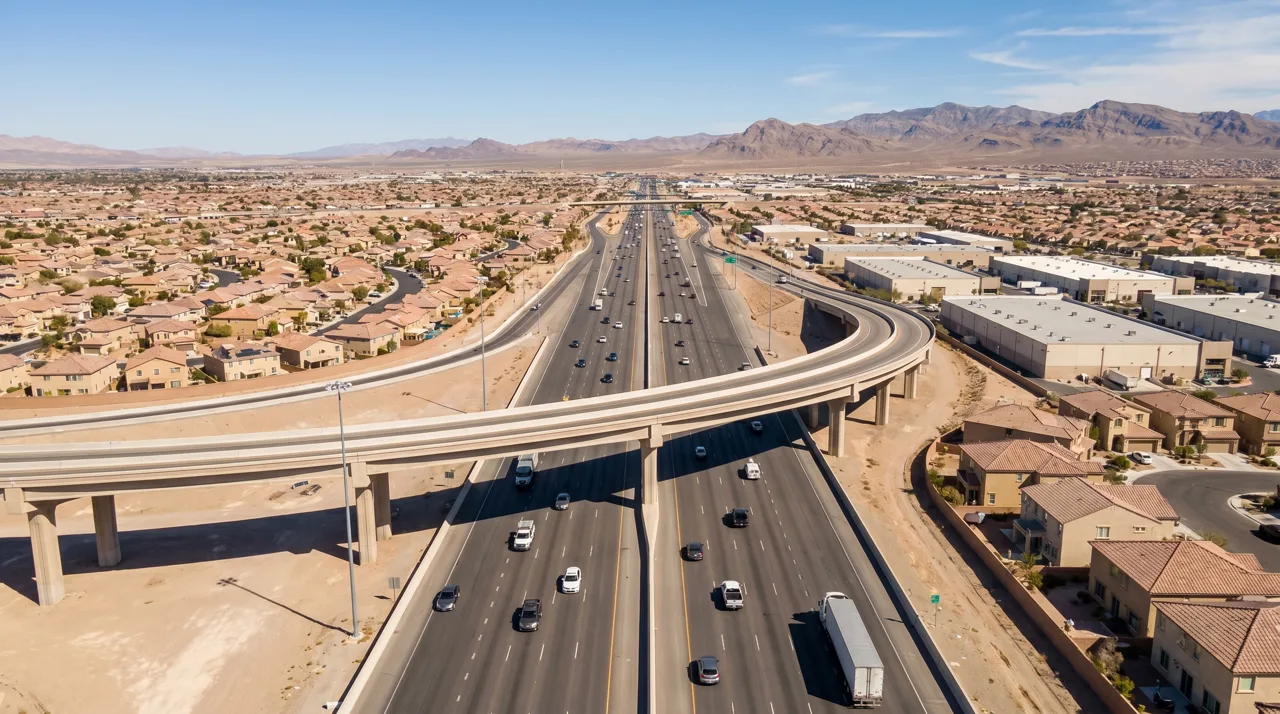
Phoenix has a more diversified economy. Healthcare, tech, finance, and aerospace are all major drivers, and the Phoenix Sky Harbor airport feeds a logistics and distribution sector that's been growing for two decades. Las Vegas is still heavier in hospitality, but the diversification curve has steepened: advanced manufacturing in Apex, sports (the new MLB stadium, the Raiders, the Aces, F1), healthcare expansion at UMC and Sunrise, and tech-adjacent companies moving here for the tax structure.
Median household income in Las Vegas is roughly $60,465-$70,400. Phoenix is similar. Required income — what MIT's Living Wage Calculator says you actually need to cover basic expenses in each metro — gives Las Vegas a small edge for single adults ($50,337 before tax in Clark County vs. $53,057 in Maricopa County). For a two-parent two-child household, the two cities are essentially tied at around $107,000 before tax.
Transportation is the category where Phoenix has a structural edge. Phoenix's Valley Metro light rail has been expanding for years. Las Vegas has the RTC bus system and the Strip monorail, but no true heavy rail. Both metros are car-dependent in practice, and both have similar commute times in mid-tier neighborhoods. Las Vegas tends to feel more compact — most addresses in the valley are within 30 minutes of each other — while Phoenix sprawls farther.
Then there's car insurance. This is the one area where Phoenix clearly beats Las Vegas, and it's not subtle. Nevada is currently the most expensive state in the country for auto insurance, per multiple 2026 rate reports. Full coverage in Las Vegas runs $235-$297/month ($2,824-$3,568/year). Phoenix full coverage averages around $3,071/year. That's a meaningful gap, and most movers feel it the first time they re-shop their policy after the move.
Climate and Utilities: Where Phoenix Pays More
Both cities are hot in summer. That's the obvious common ground. The less obvious part is that Phoenix is meaningfully hotter than Las Vegas — the National Weather Service typically logs 110 or more days per year over 100°F in Phoenix versus a smaller window in Las Vegas — and the monsoon season adds humidity that makes the heat feel even worse. Las Vegas summers are dry. Phoenix summers are dry-but-not-as-dry, with afternoon thunderstorms in July and August.
The financial consequence shows up on the electric bill. Las Vegas NV Energy customers see a summer average of $250-$470 per month for cooling, with annual averages between $154 and $171. Total monthly utilities (electric, gas, water, internet) in Las Vegas run $225-$350. Phoenix averages around $360 for the same basket. Apartments.com's index shows Phoenix utilities running 13.8% higher than Las Vegas. SRP itself notes that running an AC unit for 24 hours at average rates costs about $10.80 per day — and Phoenix runs cooling longer and harder than Las Vegas.
Water is more expensive in Las Vegas than Phoenix, but only if you waste it. The Las Vegas Valley Water District uses a tiered structure: $1.61 per 1,000 gallons for the first 5,000, jumping to $6.33 per 1,000 gallons above 20,000, plus an excessive-use charge of $9 per 1,000 gallons above threshold. Phoenix's water is cheaper per gallon but doesn't penalize waste as aggressively. If you have a desert-landscaped yard, Las Vegas water is very cheap. If you want a Phoenix-style lawn, it gets expensive fast.
What's Coming: Growth in Both Cities
Both metros are growing fast, and both have serious development pipelines. Las Vegas has new construction on the Strip (Hard Rock, Fontainebleau already open, more rumored), a new MLB stadium underway, F1's permanent home, expansion of UNLV's medical school, and major industrial development in the Apex area in North Las Vegas. Phoenix has the TSMC semiconductor fab, Intel expansion, and continued East Valley residential growth in Buckeye, Queen Creek, and Surprise.
For housing supply, Phoenix has historically built faster than demand has grown, which has kept its housing market more responsive. Las Vegas has been more supply-constrained, partly because the federal government owns most of the surrounding land. Both factors matter for long-term price trajectory.
Buyer Tips for Either Direction
If you're shopping seriously between the two cities, a few things to put on your checklist:
- Run the income tax math first — at higher household incomes, Nevada's 0% rate is the single biggest line item in the comparison
- Get an actual car insurance quote in Las Vegas before you commit — don't trust national averages, and don't assume your Phoenix rate transfers
- Ask about SID/LID bonds in any newer Las Vegas neighborhood; ask about CFDs for newer Phoenix construction
- Compare summer electric bills, not just averages — Phoenix runs higher and longer, and that matters for budget
- Check the school zone, not the city name — both metros have huge intra-city variation in school ratings
- If you're a remote worker, the income tax savings in Nevada apply to your full salary regardless of where your employer is based
- Get pre-approved with a local lender either way — out-of-state lenders often miss SID/LID or CFD obligations in their underwriting
And on the seller side, if you're leaving Phoenix for Las Vegas (or vice versa), get a market analysis early. Both cities have moved into more balanced territory in 2026 after years of seller-dominated activity, and pricing strategy matters more than it did two or three years ago. Our free home valuation tool works for both Las Vegas and the broader valley if you're starting that side of the move.
Relocation FAQs and the Stuff Nobody Tells You
Which city is cheaper overall — really?
Most broad indexes put Las Vegas about 6-10% cheaper than Phoenix overall, mostly because of the income tax difference and lower utilities. Housing, groceries, and most daily costs are too close to matter. If you make above the median household income, Las Vegas is decisively cheaper for you. If you're below it and rent rather than own, the gap shrinks.
Is the heat really worse in Phoenix?
Yes, by a meaningful margin. Phoenix typically logs about 25 more 100°F+ days per year than Las Vegas, and the monsoon humidity makes those days feel worse. Las Vegas summers are brutal but dry. Phoenix summers are slightly hotter and noticeably stickier.
What surprises Phoenix-to-Vegas movers the most?
Two things: car insurance jumping, and how compact the valley feels. Phoenix is geographically much bigger than Las Vegas. Once you live here for a few weeks, you realize "across town" in Vegas is what "across the neighborhood" is in Phoenix.
What surprises Vegas-to-Phoenix movers the most?
The opposite: how spread out Phoenix is. A 30-minute drive in Las Vegas takes you across the entire metro. A 30-minute drive in Phoenix barely gets you from Tempe to Scottsdale. Commutes look the same on paper and feel different in practice.
Do retirees do better in Las Vegas or Phoenix?
For high-net-worth retirees, Las Vegas typically wins because Nevada has no income tax on retirement distributions, no capital gains tax, and no estate or inheritance tax. For middle-income retirees, the two cities are close, and lifestyle preferences (heat tolerance, golf, family proximity) usually decide it. Both metros have strong 55+ communities.
Is Phoenix's job market really better?
It's more diversified, which is a real advantage if your specialty isn't hospitality, healthcare, or government. Phoenix has a deeper tech and finance bench and more Fortune 500 corporate footprint. Las Vegas is catching up — particularly in sports, manufacturing, and tech-adjacent services — but Phoenix has more depth in white-collar professional roles right now.
Which has better weather year-round?
Las Vegas has a slightly more pleasant winter (cooler, sunnier, less humidity in the spring). Phoenix has more rain. Both have spectacular winters by national standards. Tourists flock to both cities specifically for January and February.
The honest bottom line: if you're picking between these two cities on cost of living alone, Las Vegas usually comes out ahead, mostly because of the income tax structure and slightly lower utilities. But the gap is small enough that other factors — job market, family location, school district, heat tolerance, lifestyle — usually decide it. They're both excellent values compared to coastal cities. They're not interchangeable, and the difference shows up in your bank statement once you've lived in either one for a year.
If you'd like to dig into specific neighborhoods or run real numbers on what a move would actually cost you, the Las Vegas neighborhoods directory has detailed guides for every major community, and the mortgage calculator handles HOA, insurance, and tax estimates side by side.
Categories
Recent Posts